Adidas
Best overall pick
Control
Power
High balance
from€247.99
In stockBuying guide · Advanced Players
By Andres Jovem · Updated October 16, 2026
At some point the racket stopped being training equipment and became a tool. Your bandeja goes where you send it, your positioning is automatic, and the frames that flattered you as a learner now feel like a filter on your best work. That is the moment for an advanced racket: one that trades forgiveness you no longer lean on for pace, spin, and precision you can use.
The defining principle at this level is payout. Firmer cores and denser carbon faces return more of what your swing puts in, and they assume clean contact in exchange. What separates our ten is the job each is built for: six are attacking diamonds of escalating commitment, two are all-court teardrop hybrids for players who refuse a specialty, and two are control tools for the tacticians. We ranked them by how completely each rewards a settled technique, judged on construction and price from our own catalog. The list runs from €130 to €248.
These picks fit advanced players in general; your weight, your budget, and the way you win points move the answer, and the free quiz's 12 questions will land on the one that is yours. Everything below is in stock at approved shops with prices checked live as we write.
The top 10 at a glance. Swipe through, or read the full breakdown below ↓
Advanced Players
A diamond carries its mass toward the tip, which turns a grooved overhead into a heavier one and slows your hands a fraction everywhere else. Buy one if you finish points. If you build them, a teardrop keeps attack and defense in one frame.
A hard EVA core compresses less, so more of your swing speed leaves with the ball, and every strike reports its quality back to your hand. Medium, tiered cores keep a little margin for defensive work. Go as firm as your consistency deserves, and no firmer: a hard core under a drifting technique is pace you cannot place.
The split inside it is deliberate. The 355g frames keep your hands quick and spare the shoulder across a three-set night. The 370g frames add mass that carries through contact, so blocks travel deeper and smashes land heavier. Match the mass to your fitness, not your ambition.
From €130 to €248, the extra spend moves you from simpler weaves to denser carbon and tiered foams: real differences you can feel at the top of a full swing. What it never buys is the technique to use them. If the choice is between the flagship and a season of coached matches, the matches win.

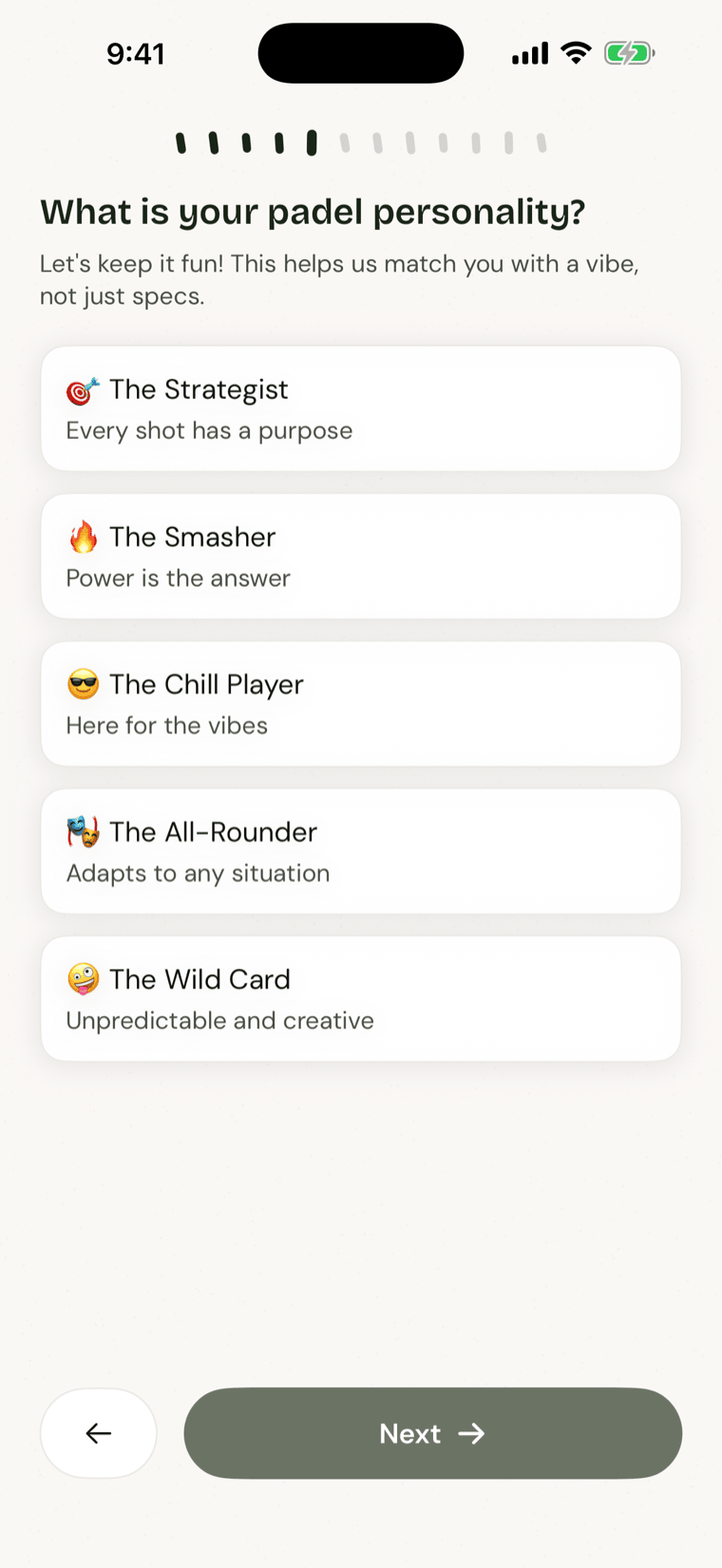
An advanced racket has one job: pay back the technique you spent years building. The Adidas Metalbone HRD+ is our Top Pick because it pays in full, a hard, high-balanced diamond with none of the usual drag. At 355g it moves a beat earlier than any other attack frame here, so the aggression never costs you the reaction volley.
Adidas builds the payout from firm materials. The EVA High Memory core is a dense foam that recovers its shape the instant the ball leaves, so a committed swing returns as pace and a clean flat smash arrives the way you meant it. The 16K aluminized carbon face is a metallized weave that stays stiff through contact for direct speed, with a rough finish that grips a brushed ball for víbora sidespin. A carbon frame holds the head rigid on an off-center strike, which with a core this firm you will feel, and should.
What the build produces is immediacy. The ball is on and off the face with no pause, so a put-away ends the point rather than restarting it and you can take the volley early instead of surviving it. Defending, resets ask for soft hands, because the frame will not soften them for you. Overhead is where it earns the price: bandeja, víbora, smash, each comes out exact and heavy. Around €248 it is the most expensive racket here, and the one we would hand a committed advanced attacker without a second question.
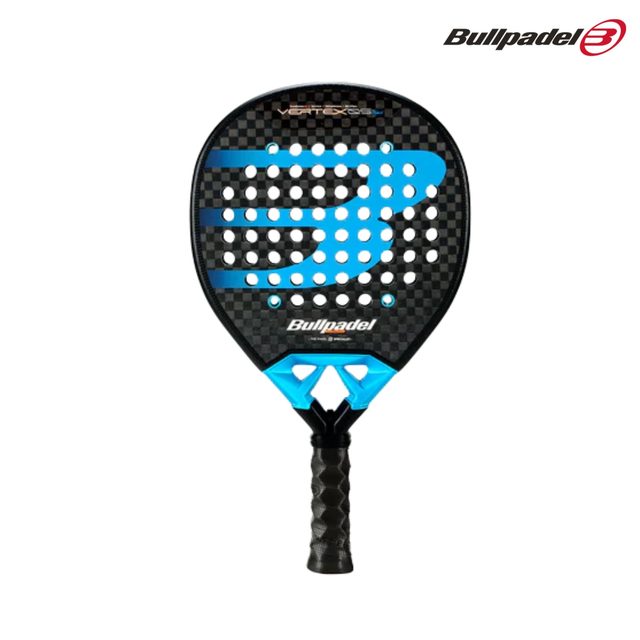
Some advanced players are finishers. The rest of us play whole points. The Bullpadel Vertex 05 Hybrid is the flagship for that second player, a pro-level teardrop that carries attack and defense in one mold, and it does neither halfway.
The construction is Bullpadel's best. A MultiEVA core stacks foam densities, softer in the center for margin on the stretched reset, firmer toward the edge so a full swing leaves with pace. The Xtend Carbon 12K face adds a stiff, rough skin that turns brushed contact into spin without losing directness. A carbon frame keeps the teardrop stable when the strike lands high on the face.
Across a match it reads as one racket for every scoreboard situation. Up at the net it punches volleys through gaps; pulled deep, the layered core gives a blocked ball enough cushion to land safe while you recover the T. The bandeja is the shot it loves most, controlled and heavy at once, and a short lob meets a finishing smash. If your game has no obvious hole, this is the frame that sharpens all of it at once.
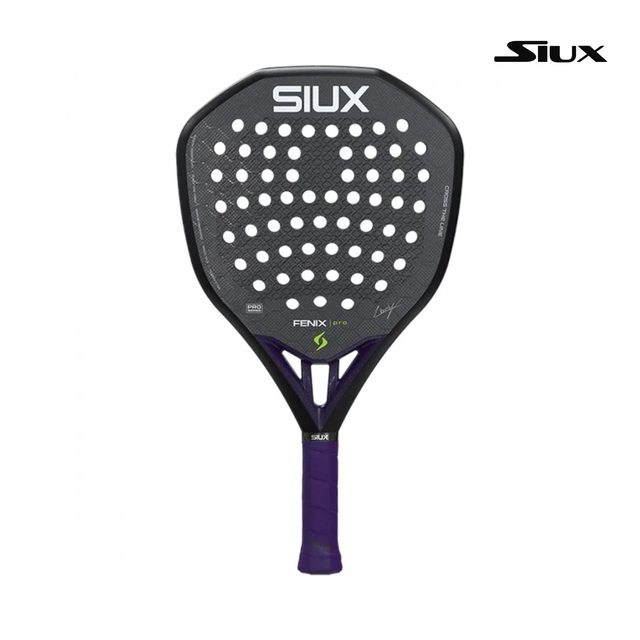
Bring your full swing or bring a different racket. The Siux Fenix Pro Black is the most uncompromising power build on this list, a hard diamond made for the advanced attacker who already generates speed and wants a frame that wastes none of it.
Siux starts with a firm EVA core that compresses barely at all, sending the energy of contact into the ball rather than the foam, and the 12K carbon face wraps it in a dense weave that holds stiff at full swing speed, keeping a maximum-effort smash flat instead of ballooning. The rough surface loads brushed shots with spin, and a carbon fiber frame stops the high head twisting when you connect above the sweet spot.
Played on your terms it is an ending machine: overheads leave dead, the víbora skids off the glass, and a punched volley finishes rather than continues. The bill arrives everywhere else. Blocks come back fast, so defensive hands must be soft and early, and a mistimed reset will fly on you. That trade is the design: it assumes the point is yours to end, and for the hitter it fits, €175 is a fair price for the assumption.
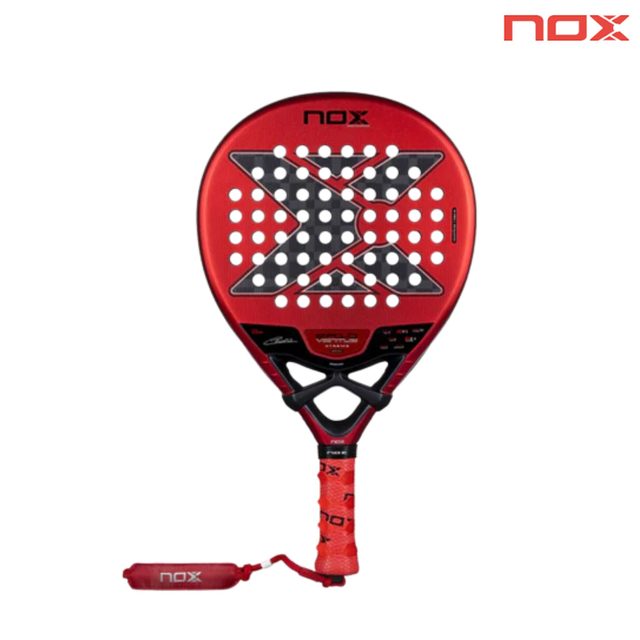
Advanced rallies are won in the transitions, and the transitions are where this Nox lives. The EA10 Ventus Hybrid 12K Xtreme is a teardrop built to change gears mid-point, comfortable defending one ball and finishing the next, and it undercuts the Vertex 05 above it on price.
The MLD Black EVA core layers several foam densities, so a defensive block sinks into the softer center for margin while a full attacking swing engages the firmer layers for pace. Nox skins it in a 12K Xtrem Carbon face whose rough finish drags across a brushed ball, feeding spin into the bandeja and víbora.
Adaptability shows up concretely. At the net it volleys with intent and recovers fast for the counter; from the back it lifts lobs to length and digs the low ball out with enough cushion to stay in the point. The overheads reward a brushing swing more than a flat one, so a spin finisher settles in fast; flat bombers will prefer the diamonds here.
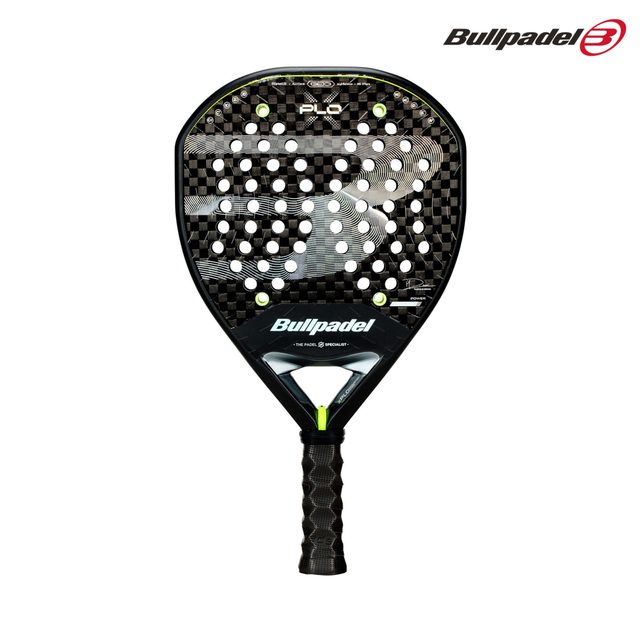
The back left corner comes with a job description: take the overhead, end the point. The Bullpadel Xplo was written for it, a pro-graded diamond with the mass carried high, the frame here most purely committed to finishing.
Under the paint it is the Vertex 05's construction moved into a diamond mold: the same MultiEVA core, graded from a giving center to a firm perimeter, under the same Xtend Carbon 12K face with its rough, spin-hungry finish. What changes the racket is where the mass sits: carried toward the tip, it arrives behind every overhead, so a build that plays even-tempered in the Vertex plays here as a closer.
Overhead is where the argument gets settled. The head drops into the bandeja and comes through with weight, the smash lands heavy enough to bring the back glass into play, and the rough face lets the víbora skid low and away. At the net it punches hard through anything above the tape, though reaction volleys ask for preparation a beat earlier, and in defense you manage rather than counter: blocks want a firm wrist and a short shape. Left-side players with a finishing mentality should start here.
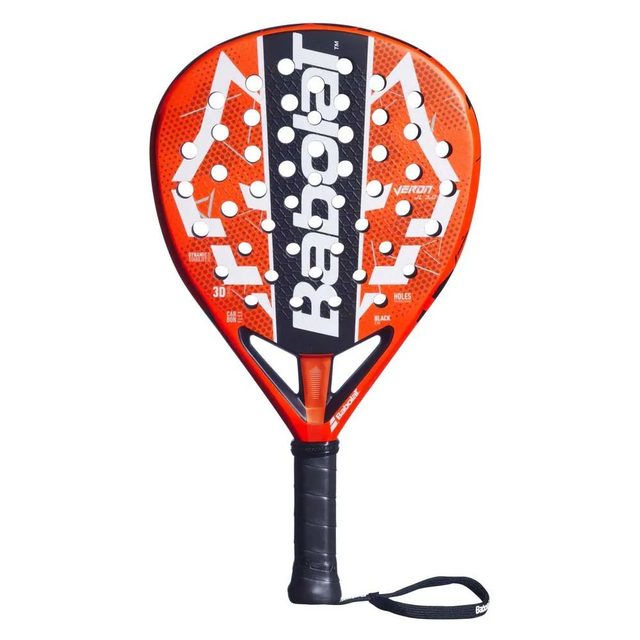
Diamonds usually charge twice: once at the till and once in your forearm. The Veron 3.0 is the one that keeps the attacking geometry and drops the tax: Babolat's head-heavy Lebrón shape, a medium core instead of a hard one, and a price that sits at the bottom of this page.
Babolat builds it around a Black EVA core, its medium-density rubber, under a Carbon Flex face that bends on impact rather than fighting it, all held by a carbon frame. The 3D Spin+ grit on the face is rough enough to grab the ball on the smash, and the Vibrabsorb system in the handle takes the buzz out of the big hits.
Close to the net the high balance puts weight behind the punch volley without a long swing, and the flex face keeps the touch shots from sitting up. Off the back glass, blocks come off deeper than a hard diamond would allow, though the head weight asks you to prepare early on the lob. It is the diamond you can play a full match with and still want to smash in the tiebreak.
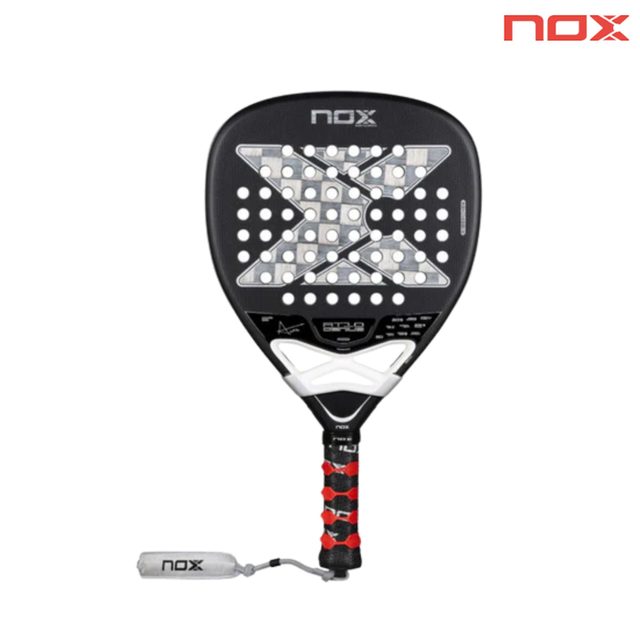
Some rackets add spin to your game; this one assumes spin is your game. The Nox AT10 Genius Attack 18K Alum is the top cut of Agustín Tapia's signature line, a hard diamond whose face is the weapon, for the advanced player whose víbora already misbehaves on purpose.
The face gets top billing for a reason. Nox impregnates the 18K carbon weave with aluminum particles, and that rough, dense surface holds the ball a fraction longer through contact, which is where the extra sidespin comes from: the same brushed swing leaves with more work on it. Underneath, a MLD Black EVA core keeps the firm response consistent from strike to strike, and the carbon frame locks the head-heavy diamond steady through a full swing.
Commit, or pick another racket. Time the overhead and the ball stays down like it was confiscated; the head arrives loaded, and a brushed finish bends late in ways flat hitters never read. The bill lands behind you: a block off the alum face comes back flat and dead, giving your hands nothing to shape, so deep defense is about early feet, not late saves. The 18K works a shoulder over three sets and offers no apology for a mishit. Tapia makes it look like a rally racket; for everyone else it is a finishing tool, and an emphatic one.
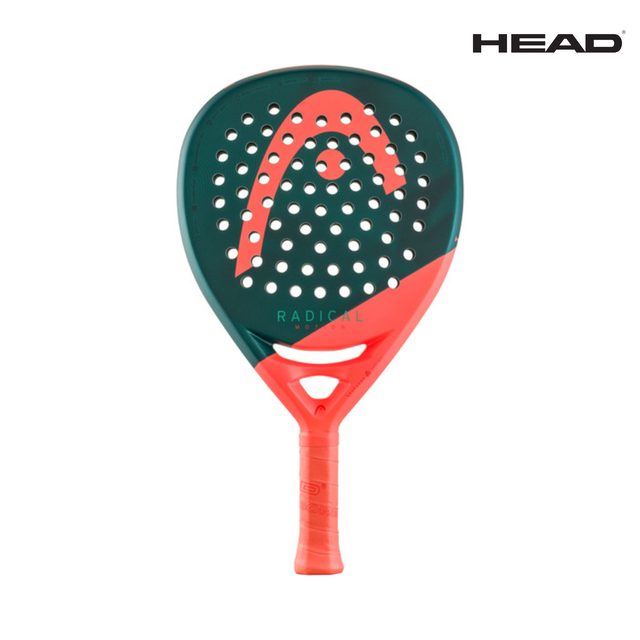
Control at this level means choosing where the point happens, and playing safe has nothing to do with it. The Head Radical Motion is the purest placement tool here, a low-balanced teardrop for the advanced player who wins by putting the ball where the opponent is not, and at €128 it's one of the least expensive frames here.
A Control Foam core gives the face a measured, predictable response, so the ball leaves at the pace you chose rather than the pace the frame added. The 3K Carbon face keeps that response consistent across the hitting surface. Head's Auxetic 2.0 construction manages the shock of contact, which on a control frame matters less for comfort than for clarity: the strike reads clean, without the noise of a harsher build.
Everything happens a beat early on it: the low balance keeps the head where your hands go, so fast net exchanges feel slowed down and a blocked volley drops short on command. From the baseline, lobs travel to length and the chiquita lands measured at the feet you picked out. What it will not manufacture is pace: put-aways take a full, accurate swing, and a power player will feel under-armed by the second game. For the advanced controller, that honesty is the appeal.
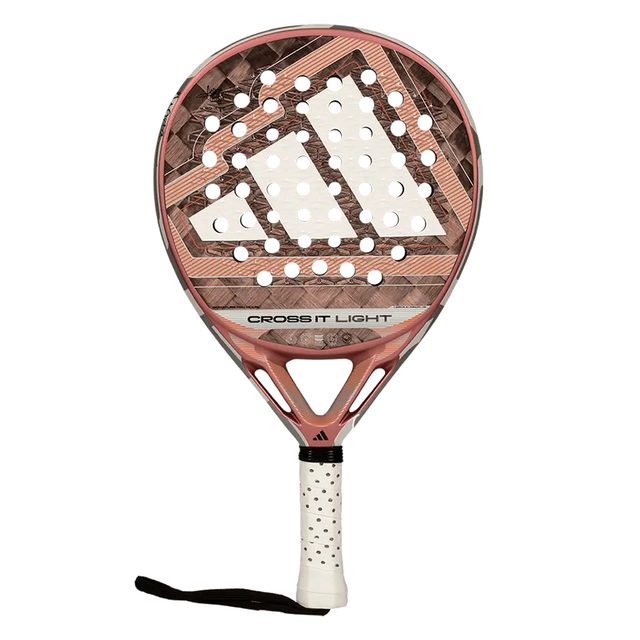
Touch players usually scan advanced rosters in vain. This pick is theirs. The Adidas Cross It Light is Marta Ortega's light round, a frame that treats feel as the primary spec and budgets accordingly, for the advanced player who wins with hands rather than shoulders.
The pairing is what makes it. An EVA Soft Energy core gives under the ball so a drop shot dies where you drew it, while the 24K aluminized carbon face, one of the densest weaves Adidas lays, keeps the soft response honest: the ball leaves precisely, not vaguely. At 352g the head moves as fast as your reactions, and the rough surface adds grip for the sliced, shaped game a round frame invites.
Feel is the language it speaks. Volleys land softer than the rally's pace suggests, low resets come off the back glass with the sting filtered out, and the second touch, the quiet one that wins the point, is where the money went. The honest limits: put-aways rely on placement over pace, and the price buys craft rather than power. Hands-first players will recognize their racket on the first ball, and it is a destination frame, not a waypoint.
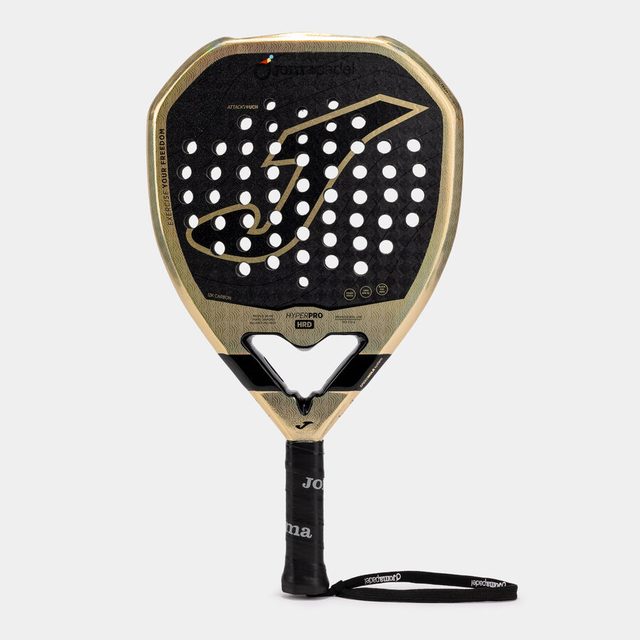
The tenth pick is for the attacker who has settled on a hard core and would rather not pay flagship money for one. The Joma Hyper Pro HRD is a firm, head-heavy diamond for €175, which PadelShop lists as an advanced power frame, and it sits in the cheaper half of this list.
Start with the foam. Joma's Black EVA HRD core is the dense part of the recipe, and PadelShop's listing calls it high density, firm and stable. Foam that dense compresses little, so a committed swing returns as speed and a flat smash stays flat. The skin is 12K carbon, stiff enough to fire the ball off the face without delay, and its rough 3D finish grabs a brushed ball for sidespin. A 12K carbon frame in Joma's Dualtech structure closes out the build.
Defense is where you notice it first. Blocks off the back glass leave quick, so resets ask for early, soft hands and a short swing, and a hurried lob can sail long. Move up and that directness turns into the point of the racket: volleys go through the pair instead of back to them, and a high ball at the net becomes a put-away. Overhead, the weight carried in the head drops into the bandeja and the smash leaves with the speed you gave it. What comes back matches what you put in, the bargain a settled attacker signs up for.
The routing is simple. Keeping the outlay tight, start with the Veron Juan Lebrón 3.0 at €130: the diamond shape over a medium core that forgives more than the hard frames here. Hard-core attack without the flagship bill means the Joma Hyper Pro HRD at €175. Control players go Radical Motion; touch players go the Cross It Light. All-court games take the Vertex 05 Hybrid, or the EA10 Ventus Hybrid for a little less. Confirmed finishers choose between the Fenix Pro Black's raw pace and the Xplo's overhead commitment, and spin-first finishers take the AT10 18K. Everyone still undecided takes the Metalbone HRD+ and stops thinking about rackets for a few seasons. Or hand it to the quiz: 12 questions, two minutes, the racket that fits the game you already have.
The Adidas Metalbone HRD+ leads our 2026 list: a hard-cored, high-balanced diamond whose 16K aluminized carbon face converts a finished technique into direct pace and spin. The right racket still depends on your role, though: the Bullpadel Vertex 05 Hybrid heads our all-round picks and the Head Radical Motion the control side.
Between about €130 and €248, which is the full range of this list and the honest market for advanced frames in 2026. The Babolat Veron Juan Lebrón 3.0 opens it at €130 with a medium core, the Joma Hyper Pro HRD puts a hard core in reach at €175, and the Metalbone HRD+ tops it at €248 with a denser aluminized weave. Past that, you are mostly paying for paint and endorsements.
Mostly firm: a hard or medium core returns more of an advanced swing as pace and reports strike quality back clearly, which is why nine of our ten picks run hard or medium. The exception is deliberate. Soft-cored frames like the Adidas Cross It Light serve touch-first players who win with placement, drop shots, and defense.
In practice, yes: a diamond's head-high mass rewards players who finish points overhead and taxes everyone else with slower hands and a smaller sweet spot. Advanced all-rounders usually get more from a teardrop hybrid, which is why our all-court picks here are teardrops. If your smash wins you matches, take the diamond.
Not for a match-fit advanced player: 370g is standard in pro-level frames because the mass carries through contact, deepening blocks and adding weight to the smash. It costs hand speed and loads the shoulder over long sessions, so this list keeps 355g options in the attacking and control roles. Unsure where you sit? The free app quiz weighs your build and style in 12 questions and names the frame that fits.
We start from a catalog of 800+ rackets, not a shortlist from a brand. From it we select frames that sharpen a settled game, verify every price and stock status live at our approved shops before publishing, and re-check them on every update. Nobody pays for placement, and there are no invented test scores: specs come from the catalog and retailer listings, and the free two-minute quiz matches the same data to your game.
The app · free quiz
Take the free quiz in the app. We'll match a racket to your game, not the other way around.
Find my racketFree quiz. Sign in with email or Google to get your four picks.