Siux Fenix Pro Black 2026 Review
By Andres Jovem · Updated October 3, 2026
A stiff, tip-weighted diamond built to end points, for the advanced attacker whose timing and arm can back it up.
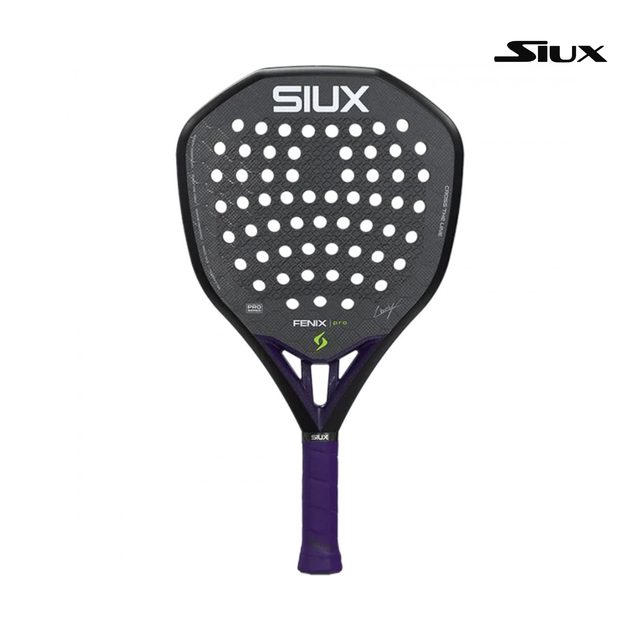
The verdict
The Siux Fenix Pro Black 2026 exists to close points, and nothing about it hedges. It is a diamond with the weight carried up in the head and a core Siux builds on the firm side, so a clean overhead leaves the strings quick and low and asks the far corner a question. This is a frame for the advanced player who already brings their own pace and wants a racket that repays a struck ball rather than propping up a shaky one.
The catch sits right on the surface, so read it before you reach for your card. A stiff panel and a tip-loaded build hand the work back to your technique and your arm, and a late or off-center hit leaves you nowhere to hide. Siux rates it advanced, and at 365g in a diamond outline the weight wants a full swing behind it, not a jab. If your swing is still forming, or your shoulder tightens across three sets, this frame will surface that quickly. Everyone else, read on.
The build
A stiff panel Siux builds on the firm side
The core here is an EVA foam that Siux rates hard, and firm is the whole idea. It compresses very little when the ball arrives, so your racket-head speed converts into ball speed with almost nothing lost inside the panel, and the shot leaves quick and low over the net. What you give up in return is padding at the hand. There is barely a cushion between contact and your palm, which reads as a clean, connected thump on a flush hit and a blunt jolt on one you catch wrong.
A rough 12K carbon face that grabs the ball
The hitting layer is a 12K carbon weave left with a coarse, sandy finish rather than a slick one. That texture holds the ball a fraction longer as it sits against the strings, so when you brush up the back of it for a vibora the surface bites and folds real rotation onto the shot, curling it down into the court under your own topspin. The same grip lets a bandeja knife across and settle into the corner. On a panel this unforgiving, spin is the room to work that the frame hands you, and the rough face is what lets you take it when your wrist commits to the brush.
A tip-heavy diamond that wants a full arc
The mass gathers up near the top edge of a diamond outline, so the balance point rides forward toward the tip. Feed it a long, unhurried arc and the head gains speed all the way down into contact, arriving at the ball with more force than your arm alone put in. Give it that full wind-up and the weight reads as free pace. Get crowded at the hip with no room to swing, and the same tip weight turns heavy and slow, a step behind a ball that jumps at you fast. The full carbon frame holds the head steady through the whole motion, which keeps the response even and keeps nothing hidden.
How it plays
On the attack, it finishes what you set up
This is the stroke the entire frame is drawn around, and it pays out on preparation more than on effort. Get under the ball early, feet planted and shoulders turned, and the smash leaves flat and hurried, driving deep with pace to spare. Arrive a beat late with your feet still moving, and there is no soft panel to absorb the compromise, so the ball you meant to bury sails past the baseline instead. The frame keeps the ceiling high and the floor unforgiving in equal measure.
At the net, the head sits still and lets the ball go
On a punch volley the head barely moves. There is no wind-up and no swing to time, just a firm block that holds its line, and the ball leaves the strings fast and low with your aim intact. That stillness is the whole trick: the panel returns pace without asking you to add any. Catch one late off a ball fired at your chest, though, and the tip weight is slow to swivel across the body, so the block sprays off the line. The reflex has to be there before the ball is, because the racket gives you no extra tenth of a second to find it.
From the baseline, the pace is yours to bring
Pushed deep and defending, you notice how little arrives back without your input. A lob travels on the length of your own swing, and a reset needs a soft, deliberate touch to sit down where you want it. Stretched wide and reaching for a hurried block, you feel the head lag behind your hand, so you have to start it moving a beat sooner than a nimbler racket would ask. The Fenix rewards a player who can shape a controlled ball while stretched and exposes one who waits for the racket to bail them out of a bad position.
The arm keeps an honest tally
The bill for this frame comes due slowly. Early in a match the firm contact reads as a clean, connected thump and nothing more, but with a hard panel and no cushion at the hand, each shot passes a small dose of shock into the wrist and shoulder, and those doses add up over sets. A joint that starts a match loose can finish it stiff, and the frame does not let up as you tire. Groove your timing and stay fresh and you carry it fine. Let fatigue creep in and the racket stops meeting you halfway.
Who it's for (and who should skip it)
Buy it if
- You are an advanced attacker who brings your own pace and wants a frame that repays a clean, committed strike.
- You live at the front of the court, hunting the smash, the vibora, and the net finish.
- Your technique is grooved and your arm shrugs off a firm, direct contact without complaint.
Look elsewhere if
- Your arm or shoulder fades over a long match. This is among the stiffer, more tip-heavy frames we stock, and the shock builds through the joint the longer you play.
- You are still building your swing and want a forgiving sweet spot when contact lands off-center.
- You defend more than you attack and want a racket that hands back free depth on lobs and resets.
Not sure it's your match? The free 2-minute quiz reads your level, style, and budget and tells you which racket is.
The bottom line
There is no best racket, only the best racket for you, and the Fenix Pro Black is the best one for a finisher who already owns the swing. If that is you, it will end the points a softer frame only starts. If you are still grooving your technique or nursing a tender shoulder, let the free 2-minute quiz steer you somewhere kinder before you commit.
Where to buy
Prices shown in Euro, converted and approximate. You check out in the store's own currency.
Frequently asked
No. The Fenix Pro Black is an advanced diamond with a firm core, a tip-heavy balance, and a slim margin on mishits, so a beginner will fight it and feel every off-center hit in the arm. A round, softer frame near 360g will build technique faster and treat your elbow better. Come back to this one once your swing holds up under pressure and you make your own power.
The Fenix Pro Black leans power first. Its diamond shape and high balance stack the weight toward the tip for a heavy smash, and the firm core sends the ball out quick and flat rather than cushioning it. Control on the attack is there when your timing is clean, but placement comes from your technique, not from a forgiving frame doing the steering.
Siux pairs a firm EVA core with a rough 12K carbon face over a full carbon frame. The dense core keeps energy in the ball for a quick, flat launch, while the coarse carbon surface catches the ball for spin on brushed shots like the vibora. Read together, they make a stiff, spin-friendly panel that rewards a confident, well-struck contact.
This frame suits the advanced attacker who plays forward and finishes points at the net and off the smash. It gives back what a clean, full swing puts in and offers little to a rushed or tentative one. If you want a racket that flatters a developing game, look elsewhere, and our free 2-minute quiz can point you to a better match by reading your level, style, and budget.
The Pro Black sits at the stiff, attacking end of the Siux range. Where a softer-cored sibling cushions contact and forgives a scrappy hit, this one holds the panel firm and the balance high to prioritize a fast, low smash. Pick it if you want raw finishing pace and can supply the timing, or step to a softer sibling if your arm or your technique wants more give.
The app · free quiz
Not sure which one's you?
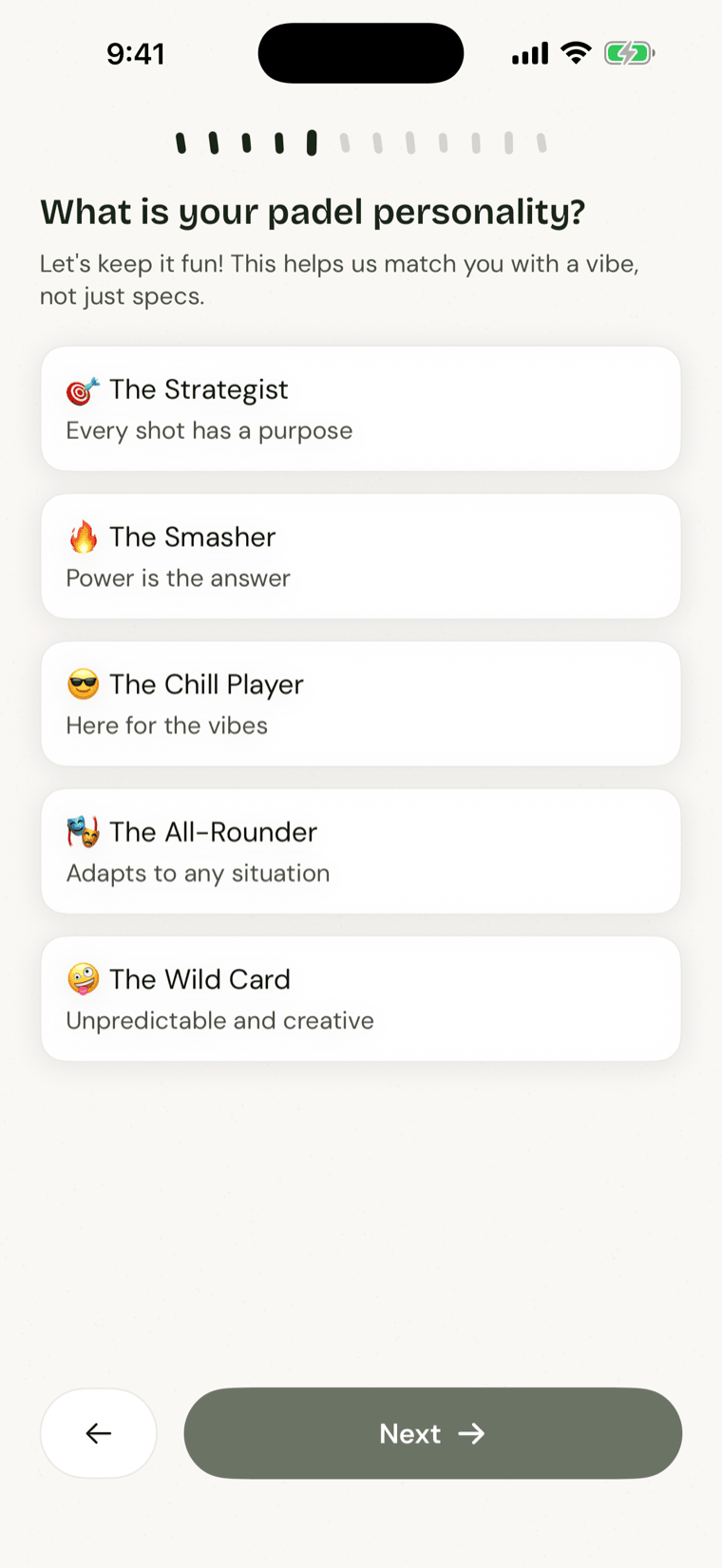
Take the free quiz in the app. We'll match a racket to your game, not the other way around.
Find my racketFree quiz. Sign in with email or Google to get your four picks.

Siux Fenix Pro Black 2026 Review
By Andres Jovem · Updated October 3, 2026
A stiff, tip-weighted diamond built to end points, for the advanced attacker whose timing and arm can back it up.
The verdict
The Siux Fenix Pro Black 2026 exists to close points, and nothing about it hedges. It is a diamond with the weight carried up in the head and a core Siux builds on the firm side, so a clean overhead leaves the strings quick and low and asks the far corner a question. This is a frame for the advanced player who already brings their own pace and wants a racket that repays a struck ball rather than propping up a shaky one.
The catch sits right on the surface, so read it before you reach for your card. A stiff panel and a tip-loaded build hand the work back to your technique and your arm, and a late or off-center hit leaves you nowhere to hide. Siux rates it advanced, and at 365g in a diamond outline the weight wants a full swing behind it, not a jab. If your swing is still forming, or your shoulder tightens across three sets, this frame will surface that quickly. Everyone else, read on.
The build
A stiff panel Siux builds on the firm side
The core here is an EVA foam that Siux rates hard, and firm is the whole idea. It compresses very little when the ball arrives, so your racket-head speed converts into ball speed with almost nothing lost inside the panel, and the shot leaves quick and low over the net. What you give up in return is padding at the hand. There is barely a cushion between contact and your palm, which reads as a clean, connected thump on a flush hit and a blunt jolt on one you catch wrong.
A rough 12K carbon face that grabs the ball
The hitting layer is a 12K carbon weave left with a coarse, sandy finish rather than a slick one. That texture holds the ball a fraction longer as it sits against the strings, so when you brush up the back of it for a vibora the surface bites and folds real rotation onto the shot, curling it down into the court under your own topspin. The same grip lets a bandeja knife across and settle into the corner. On a panel this unforgiving, spin is the room to work that the frame hands you, and the rough face is what lets you take it when your wrist commits to the brush.
A tip-heavy diamond that wants a full arc
The mass gathers up near the top edge of a diamond outline, so the balance point rides forward toward the tip. Feed it a long, unhurried arc and the head gains speed all the way down into contact, arriving at the ball with more force than your arm alone put in. Give it that full wind-up and the weight reads as free pace. Get crowded at the hip with no room to swing, and the same tip weight turns heavy and slow, a step behind a ball that jumps at you fast. The full carbon frame holds the head steady through the whole motion, which keeps the response even and keeps nothing hidden.
How it plays
On the attack, it finishes what you set up
This is the stroke the entire frame is drawn around, and it pays out on preparation more than on effort. Get under the ball early, feet planted and shoulders turned, and the smash leaves flat and hurried, driving deep with pace to spare. Arrive a beat late with your feet still moving, and there is no soft panel to absorb the compromise, so the ball you meant to bury sails past the baseline instead. The frame keeps the ceiling high and the floor unforgiving in equal measure.
At the net, the head sits still and lets the ball go
On a punch volley the head barely moves. There is no wind-up and no swing to time, just a firm block that holds its line, and the ball leaves the strings fast and low with your aim intact. That stillness is the whole trick: the panel returns pace without asking you to add any. Catch one late off a ball fired at your chest, though, and the tip weight is slow to swivel across the body, so the block sprays off the line. The reflex has to be there before the ball is, because the racket gives you no extra tenth of a second to find it.
From the baseline, the pace is yours to bring
Pushed deep and defending, you notice how little arrives back without your input. A lob travels on the length of your own swing, and a reset needs a soft, deliberate touch to sit down where you want it. Stretched wide and reaching for a hurried block, you feel the head lag behind your hand, so you have to start it moving a beat sooner than a nimbler racket would ask. The Fenix rewards a player who can shape a controlled ball while stretched and exposes one who waits for the racket to bail them out of a bad position.
The arm keeps an honest tally
The bill for this frame comes due slowly. Early in a match the firm contact reads as a clean, connected thump and nothing more, but with a hard panel and no cushion at the hand, each shot passes a small dose of shock into the wrist and shoulder, and those doses add up over sets. A joint that starts a match loose can finish it stiff, and the frame does not let up as you tire. Groove your timing and stay fresh and you carry it fine. Let fatigue creep in and the racket stops meeting you halfway.
Who it's for (and who should skip it)
Buy it if
- You are an advanced attacker who brings your own pace and wants a frame that repays a clean, committed strike.
- You live at the front of the court, hunting the smash, the vibora, and the net finish.
- Your technique is grooved and your arm shrugs off a firm, direct contact without complaint.
Look elsewhere if
- Your arm or shoulder fades over a long match. This is among the stiffer, more tip-heavy frames we stock, and the shock builds through the joint the longer you play.
- You are still building your swing and want a forgiving sweet spot when contact lands off-center.
- You defend more than you attack and want a racket that hands back free depth on lobs and resets.
Not sure it's your match? The free 2-minute quiz reads your level, style, and budget and tells you which racket is.
The bottom line
There is no best racket, only the best racket for you, and the Fenix Pro Black is the best one for a finisher who already owns the swing. If that is you, it will end the points a softer frame only starts. If you are still grooving your technique or nursing a tender shoulder, let the free 2-minute quiz steer you somewhere kinder before you commit.
Where to buy
Prices shown in Euro, converted and approximate. You check out in the store's own currency.
Frequently asked
No. The Fenix Pro Black is an advanced diamond with a firm core, a tip-heavy balance, and a slim margin on mishits, so a beginner will fight it and feel every off-center hit in the arm. A round, softer frame near 360g will build technique faster and treat your elbow better. Come back to this one once your swing holds up under pressure and you make your own power.
The Fenix Pro Black leans power first. Its diamond shape and high balance stack the weight toward the tip for a heavy smash, and the firm core sends the ball out quick and flat rather than cushioning it. Control on the attack is there when your timing is clean, but placement comes from your technique, not from a forgiving frame doing the steering.
Siux pairs a firm EVA core with a rough 12K carbon face over a full carbon frame. The dense core keeps energy in the ball for a quick, flat launch, while the coarse carbon surface catches the ball for spin on brushed shots like the vibora. Read together, they make a stiff, spin-friendly panel that rewards a confident, well-struck contact.
This frame suits the advanced attacker who plays forward and finishes points at the net and off the smash. It gives back what a clean, full swing puts in and offers little to a rushed or tentative one. If you want a racket that flatters a developing game, look elsewhere, and our free 2-minute quiz can point you to a better match by reading your level, style, and budget.
The Pro Black sits at the stiff, attacking end of the Siux range. Where a softer-cored sibling cushions contact and forgives a scrappy hit, this one holds the panel firm and the balance high to prioritize a fast, low smash. Pick it if you want raw finishing pace and can supply the timing, or step to a softer sibling if your arm or your technique wants more give.
The app · free quiz
Not sure which one's you?
Take the free quiz in the app. We'll match a racket to your game, not the other way around.
Find my racketFree quiz. Sign in with email or Google to get your four picks.