Bullpadel Xplo 2026 Review
By Andres Jovem · Updated October 19, 2026
A 370g Pro-level diamond that turns a full swing into a finishing shot, with a medium core taking a small edge off the hardness.
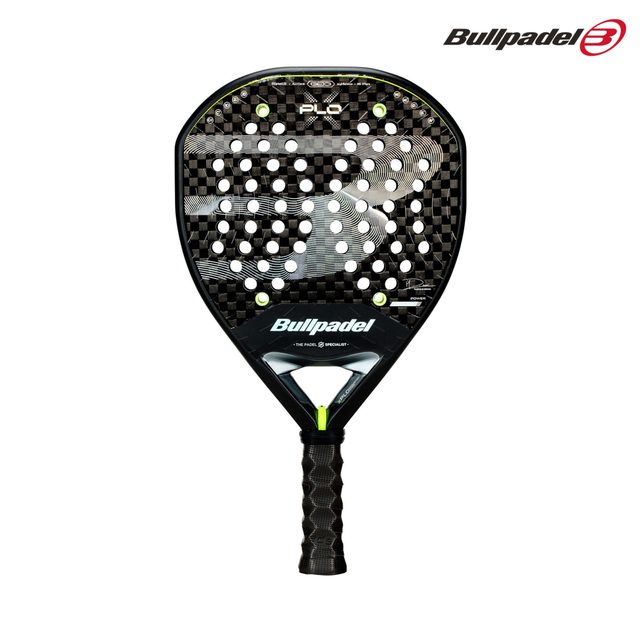
The verdict
The Bullpadel Xplo 2026 is a smash-first frame, and every gram of it is arranged to serve the overhead. At 370g with the weight sitting high in a diamond head, it is tuned so that a full, committed swing puts real force behind the ball. Bullpadel builds it on a medium MultiEVA core rather than the dense board a pure power frame usually carries, so a clean strike keeps a thread of feel for placement instead of only pace. You supply the technique and the swing speed; the racket supplies the mass.
This one suits the Pro-level player who leads with the attack, whose shoulder can carry a top-heavy frame deep into a match, and whose swing is repeatable enough to time a heavy head. If your game leans on quick reactions and easy pace off the strings, the sections below spell out where the Xplo will work against you, and point you somewhere kinder.
The build
Core
The Xplo runs on a MultiEVA foam that Bullpadel rates as medium, a density that sits above the plush comfort foams and below the hard boards found in an out-and-out finishing frame. It flexes a fraction under load, so contact lasts a beat longer than it would on a rigid diamond, and that beat is what lets you steer a shot to a corner rather than only drive it flat. This is the margin the catalog role points to. It does not make a heavy diamond forgiving, but it stops a middled hit from feeling glassy, and it trims a little of the vibration a harder core would push back through the hand.
Surface
The face is Xtend Carbon 12K in a rough finish, a coarse carbon weave with grain you can feel under a thumb. The texture bites into the ball at the instant of contact, so a face angled across the ball comes away with more revolutions than a smooth panel manages from the same swing. On an attacking frame that spin is the safety valve: it lets you swing hard and still bend the ball down inside the baseline. Carbon also rebounds quickly, so pace off a clean strike arrives with no delay between contact and launch.
Shape and balance
The Xplo is a Diamond mold set to a high balance, which parks the weight up near the tip. The swingweight that creates is the real story: the head feels heavy through the arc, which is exactly what you want driving down on an overhead and exactly what you fight when a ball arrives quick at the net. A tip-heavy 370g also narrows your timing window, since the head takes longer to travel and punishes a swing started late. A full carbon layup holds the diamond rigid, which keeps the hitting zone from shifting on a big strike, and is also why a hit out near the tip feels sharp rather than cushioned.
How it plays
On the smash
This is the shot the Xplo exists for. Get set under a high ball, commit to a full swing, and the tip weight carries through the strike so the ball leaves with force and lands deep. You can angle a kicked smash that jumps sideways off the back wall, awkward to chase down, and still aim for a seam rather than swing for the fence. A por-tres out of the side gap is on the table when your feet and timing line up. Set up in a hurry and the same head mass swings past the ball, and the shot flies long.
At the net
Volleys are where the head weight asks the most of you. A ball that arrives at hip height, quick and jammed into your body, is the hardest one to handle, because the head needs a head start to reach it clean and a heavy tip is slow to get there. Punch it early with a short, firm move and the block lands where you want; hesitate and you end up steering a late racket through the ball. The Xplo will not bail you out of a scrambled reflex volley from a poor position. Your feet and your preparation have to buy the head its time.
From the baseline
Digging out of the back of the court is the plain weakness. A lob to length is powered by the reach of your swing and the strength in your shoulder, with almost nothing coming back off the ball on its own. A reset does drop a touch shorter and softer than you would expect from a frame this stiff, which is a small help when you are scraping a ball off the glass. The bandeja and víbora fare better, since there is bite enough to hold a defensive point with shape and depth. Just remember the frame wants you stepping in behind that bandeja, not settling in to trade from the fence.
Comfort and the arm
This frame is heavy and stiff with the load parked at the tip, so it drives a firm jolt into the arm at contact, and the shoulder registers it first on a diamond that swings from the head. It takes a small edge off the jolt, no more; the frame is still hard on the arm and honest about it. Late in a long match, a swing that has lost its zip lets the head arrive a shade behind the ball, and a mistimed strike near the tip snaps straight back up the arm. Once your arm is already sore, nothing you do at the handle rescues it from 370g sitting out at the tip.
Who it's for (and who should skip it)
Buy it if
- You make your own pace and want a frame that stacks mass behind a full, committed smash.
- You live in the forward court, hunting the overhead and the net kill more than the long baseline exchange.
- Your technique is repeatable and your shoulder carries a tip-heavy frame through a full match without fading.
Look elsewhere if
- You are new to padel or still grooving your swing, and want a frame that flatters an off-center hit rather than snapping it back at you.
- Your arm or shoulder aches after a long session, since this stiff 370g tip-heavy diamond puts more load on the arm than a softer, lighter frame ever would.
- You defend more than you attack and want the frame to give you free depth off the back glass instead of asking you for every ounce of the power.
Not sure it's your match? The free 2-minute quiz reads your level, style, and budget and tells you which racket is.
The bottom line
There is no best racket, only the best one for your game, and the Xplo fits a narrow player well: the forward-court attacker who already owns a big, repeatable swing and wants a frame that pays it back. If that is not you yet, let the free quiz read your level, style, and arm, and steer you to a racket you will enjoy rather than wrestle.
Where to buy
Prices shown in Euro, converted and approximate. You check out in the store's own currency.
Frequently asked
Not really. At 370g, tip-heavy, stiff, and shaped as a Pro-level diamond, the Xplo demands a grooved swing and a strong shoulder to time it, and a learner will feel the mishits travel up the arm. If you are early in the game, a lighter round frame with a softer core will build cleaner contact and go easier on the arm and shoulder. This one earns its place once your attack is a weapon you can trust.
The Xplo is a power racket, plainly. The diamond shape and high balance load the head for the smash, and the stiff Xtend Carbon 12K face fires pace off a clean strike. The medium MultiEVA core hands back a little touch, so it is not a one-note slugger, but you buy this frame to end points rather than to nudge the ball around the court.
Bullpadel builds the Xplo 2026 with a MultiEVA core rated medium and an Xtend Carbon 12K face in a rough finish. The medium foam keeps a well-struck ball from feeling brittle and trims a little vibration, while the coarse carbon grips the ball for spin on a brushed smash or víbora. The frame around them is full carbon for rigidity and a steady hitting zone.
It comes in at about 370g with the balance set high toward the head, and that arrangement shapes how it plays. The mass behind the tip is what lets the smash land heavy without you forcing it. The cost is speed: a tip-heavy 370g frame is slower to bring around at the net and taxes the shoulder across a long match, so it rewards a strong, timed swing and exposes a late one.
For a Pro-level attacker with the swing to drive it, yes: the Xplo delivers the deep, heavy finishing shot it is built for, and the rough carbon adds the spin to hold those big hits in court. If you are unsure it fits your level, arm, and style, the free 2-minute quiz weighs all three and points you to the racket that matches, which might be this one or might not.
The app · free quiz
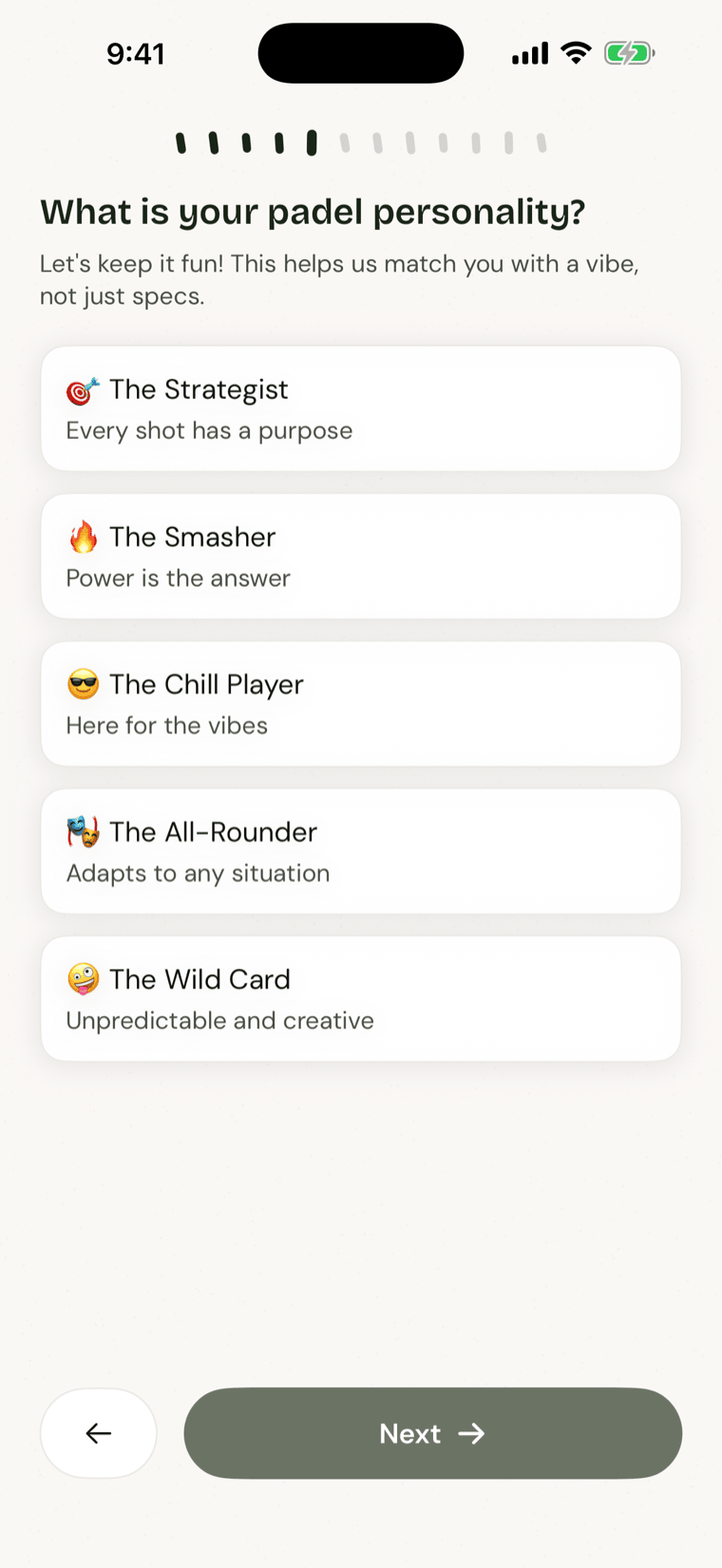
Not sure which one's you?
Take the free quiz in the app. We'll match a racket to your game, not the other way around.
Find my racketFree quiz. Sign in with email or Google to get your four picks.

Bullpadel Xplo 2026 Review
By Andres Jovem · Updated October 19, 2026
A 370g Pro-level diamond that turns a full swing into a finishing shot, with a medium core taking a small edge off the hardness.
The verdict
The Bullpadel Xplo 2026 is a smash-first frame, and every gram of it is arranged to serve the overhead. At 370g with the weight sitting high in a diamond head, it is tuned so that a full, committed swing puts real force behind the ball. Bullpadel builds it on a medium MultiEVA core rather than the dense board a pure power frame usually carries, so a clean strike keeps a thread of feel for placement instead of only pace. You supply the technique and the swing speed; the racket supplies the mass.
This one suits the Pro-level player who leads with the attack, whose shoulder can carry a top-heavy frame deep into a match, and whose swing is repeatable enough to time a heavy head. If your game leans on quick reactions and easy pace off the strings, the sections below spell out where the Xplo will work against you, and point you somewhere kinder.
The build
Core
The Xplo runs on a MultiEVA foam that Bullpadel rates as medium, a density that sits above the plush comfort foams and below the hard boards found in an out-and-out finishing frame. It flexes a fraction under load, so contact lasts a beat longer than it would on a rigid diamond, and that beat is what lets you steer a shot to a corner rather than only drive it flat. This is the margin the catalog role points to. It does not make a heavy diamond forgiving, but it stops a middled hit from feeling glassy, and it trims a little of the vibration a harder core would push back through the hand.
Surface
The face is Xtend Carbon 12K in a rough finish, a coarse carbon weave with grain you can feel under a thumb. The texture bites into the ball at the instant of contact, so a face angled across the ball comes away with more revolutions than a smooth panel manages from the same swing. On an attacking frame that spin is the safety valve: it lets you swing hard and still bend the ball down inside the baseline. Carbon also rebounds quickly, so pace off a clean strike arrives with no delay between contact and launch.
Shape and balance
The Xplo is a Diamond mold set to a high balance, which parks the weight up near the tip. The swingweight that creates is the real story: the head feels heavy through the arc, which is exactly what you want driving down on an overhead and exactly what you fight when a ball arrives quick at the net. A tip-heavy 370g also narrows your timing window, since the head takes longer to travel and punishes a swing started late. A full carbon layup holds the diamond rigid, which keeps the hitting zone from shifting on a big strike, and is also why a hit out near the tip feels sharp rather than cushioned.
How it plays
On the smash
This is the shot the Xplo exists for. Get set under a high ball, commit to a full swing, and the tip weight carries through the strike so the ball leaves with force and lands deep. You can angle a kicked smash that jumps sideways off the back wall, awkward to chase down, and still aim for a seam rather than swing for the fence. A por-tres out of the side gap is on the table when your feet and timing line up. Set up in a hurry and the same head mass swings past the ball, and the shot flies long.
At the net
Volleys are where the head weight asks the most of you. A ball that arrives at hip height, quick and jammed into your body, is the hardest one to handle, because the head needs a head start to reach it clean and a heavy tip is slow to get there. Punch it early with a short, firm move and the block lands where you want; hesitate and you end up steering a late racket through the ball. The Xplo will not bail you out of a scrambled reflex volley from a poor position. Your feet and your preparation have to buy the head its time.
From the baseline
Digging out of the back of the court is the plain weakness. A lob to length is powered by the reach of your swing and the strength in your shoulder, with almost nothing coming back off the ball on its own. A reset does drop a touch shorter and softer than you would expect from a frame this stiff, which is a small help when you are scraping a ball off the glass. The bandeja and víbora fare better, since there is bite enough to hold a defensive point with shape and depth. Just remember the frame wants you stepping in behind that bandeja, not settling in to trade from the fence.
Comfort and the arm
This frame is heavy and stiff with the load parked at the tip, so it drives a firm jolt into the arm at contact, and the shoulder registers it first on a diamond that swings from the head. It takes a small edge off the jolt, no more; the frame is still hard on the arm and honest about it. Late in a long match, a swing that has lost its zip lets the head arrive a shade behind the ball, and a mistimed strike near the tip snaps straight back up the arm. Once your arm is already sore, nothing you do at the handle rescues it from 370g sitting out at the tip.
Who it's for (and who should skip it)
Buy it if
- You make your own pace and want a frame that stacks mass behind a full, committed smash.
- You live in the forward court, hunting the overhead and the net kill more than the long baseline exchange.
- Your technique is repeatable and your shoulder carries a tip-heavy frame through a full match without fading.
Look elsewhere if
- You are new to padel or still grooving your swing, and want a frame that flatters an off-center hit rather than snapping it back at you.
- Your arm or shoulder aches after a long session, since this stiff 370g tip-heavy diamond puts more load on the arm than a softer, lighter frame ever would.
- You defend more than you attack and want the frame to give you free depth off the back glass instead of asking you for every ounce of the power.
Not sure it's your match? The free 2-minute quiz reads your level, style, and budget and tells you which racket is.
The bottom line
There is no best racket, only the best one for your game, and the Xplo fits a narrow player well: the forward-court attacker who already owns a big, repeatable swing and wants a frame that pays it back. If that is not you yet, let the free quiz read your level, style, and arm, and steer you to a racket you will enjoy rather than wrestle.
Where to buy
Prices shown in Euro, converted and approximate. You check out in the store's own currency.
Frequently asked
Not really. At 370g, tip-heavy, stiff, and shaped as a Pro-level diamond, the Xplo demands a grooved swing and a strong shoulder to time it, and a learner will feel the mishits travel up the arm. If you are early in the game, a lighter round frame with a softer core will build cleaner contact and go easier on the arm and shoulder. This one earns its place once your attack is a weapon you can trust.
The Xplo is a power racket, plainly. The diamond shape and high balance load the head for the smash, and the stiff Xtend Carbon 12K face fires pace off a clean strike. The medium MultiEVA core hands back a little touch, so it is not a one-note slugger, but you buy this frame to end points rather than to nudge the ball around the court.
Bullpadel builds the Xplo 2026 with a MultiEVA core rated medium and an Xtend Carbon 12K face in a rough finish. The medium foam keeps a well-struck ball from feeling brittle and trims a little vibration, while the coarse carbon grips the ball for spin on a brushed smash or víbora. The frame around them is full carbon for rigidity and a steady hitting zone.
It comes in at about 370g with the balance set high toward the head, and that arrangement shapes how it plays. The mass behind the tip is what lets the smash land heavy without you forcing it. The cost is speed: a tip-heavy 370g frame is slower to bring around at the net and taxes the shoulder across a long match, so it rewards a strong, timed swing and exposes a late one.
For a Pro-level attacker with the swing to drive it, yes: the Xplo delivers the deep, heavy finishing shot it is built for, and the rough carbon adds the spin to hold those big hits in court. If you are unsure it fits your level, arm, and style, the free 2-minute quiz weighs all three and points you to the racket that matches, which might be this one or might not.
The app · free quiz
Not sure which one's you?
Take the free quiz in the app. We'll match a racket to your game, not the other way around.
Find my racketFree quiz. Sign in with email or Google to get your four picks.