Siux Beat Control 3 2026 Review
By Andres Jovem · Updated October 19, 2026
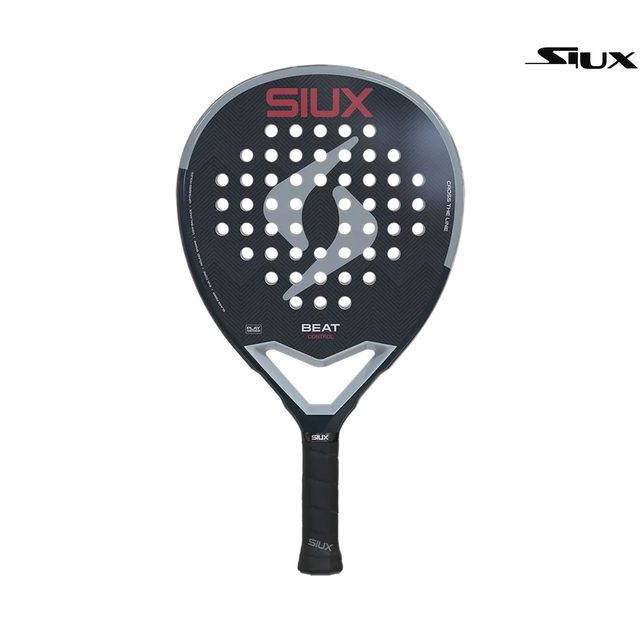
A soft, low-balanced, all-fiberglass round at second-racket money: the Siux Beat Control 3 keeps the margin your first frame gave you while your technique catches up.
The verdict
Your second racket has one job: keep the forgiveness that got you through the first year while your swing tightens up. The Beat Control 3 does that job without pretending to be anything else. It pairs a soft EVA core with fiberglass faces in a round, low-balanced head, it is a beginner's frame, and it sells at the price where a second racket stops being a gamble. Off-center hits stay in play, the head is quick when a ball comes at your body, and nothing about the contact reaches your elbow.
There is no power to lean on and no grit on the face to help a brushed shot. The frame is fiberglass all the way through, which keeps the feel soft and the price down. It also gives up a little stiffness on a hard block. Most players move on within a year or two. Those are the limits, and they are the right ones for this stage. A frame that let you hit harder before you could aim would teach the wrong habit.
The build
A soft EVA core that slows the ball down
A soft EVA foam runs through the center, and that softness sets the character of the racket. Under the ball the foam gives, so a mistimed swing comes back over the net instead of off the back glass, and the hit reaches your hand as a push, not a crack. The cost is pace: soft foam hands back less of your swing as ball speed, so a full-stretch drive lands shorter than it would off a firmer frame.
Fiberglass faces, and a fiberglass frame to match
Both hitting faces are fiberglass, which bends more than carbon on contact and widens the part of the face that still sends the ball where you aimed. No textured finish is listed, so slice and topspin come from your swing alone. The frame is fiberglass too, which is unusual at a time when most starters wear a carbon rim. The feel stays soft from grip to tip. A ball that catches the edge can turn the head a touch more than a carbon frame would allow.
A round head with the weight near your hand
The round mold puts the hitting zone in the middle of the face, which is where most second-year contact still lands, and the low balance holds the mass close to the grip. That pairing is why the racket feels obedient rather than lively: it goes where your hand goes, and it does not try to add anything on the way. It weighs 365g, with shops quoting 355 to 375g, so individual units vary. The low balance keeps the tip from dragging, so 365g never feels like 365g.
How it plays
The shot that tells you it is a second racket, not a first
A first racket forgives everything and hides the lesson. The Beat Control 3 forgives the miss but shows you the difference. Lift a lob with a loose, late swing and it still goes up, but it lands a meter shorter than the one you timed, and that gap is the feedback a second-year player can use. Rallies from the back are easy to keep alive and easy to read. The shot to practice from here is the lob off the back glass. Let the ball come off the wall and meet it low with a short lift. The soft face sends it high and deep with almost no swing. On this frame that shot works at half effort, which is the point; it is the shot that keeps a second-year player in rallies against better pairs.
Blocking at the net with the weight in your hand
With the mass held near the grip, the head sits where your hand is. When a drive comes at your chest, the block is already in place, and the soft contact means the ball drops short on their side rather than rebounding deep for a second attack. A volley you catch toward the rim still goes over. You finish from here by dropping the ball short and low, not by hitting through anyone. Against a pair who lob well, that soft block also makes the switch back to the baseline easier. The ball does not fly off the face, so you are rarely caught between the net and the glass.
Overhead, learning the bandeja before the smash
Hit a bandeja and the ball comes off slow enough to aim, which is the overhead worth owning before any other. Try to end a point with a flat smash and the soft core shows its limit: the ball lands where you aimed, at the speed you swung, and a good defender sends it back. There is no texture to skid a víbora low off the side glass either. The frame lets you learn the shape of each overhead without punishing the misses; it will not supply the finish. Only one overhead ends points on it: the bandeja hit to the corner where the side glass meets the back. Slow, deep, and awkward to return, it wins by position. That is the only way this racket ever wins.
Three nights a week, and the arm keeps up
Soft from core to rim and light in the head, it is among the kindest rackets we review for an elbow and shoulder. A mishit reaches the arm as a muffled thud, and nothing heavy is being swung at the tip. A player coming back from arm trouble, or one who has just gone from one session a week to three, will finish the week without the racket being the reason anything aches.
Who it's for (and who should skip it)
Buy it if
- Your first racket is wearing out and your game still needs the margin it gave you
- You are playing more often than you did and want a frame your arm can take three times a week
- You would rather keep the outlay small and buy the carbon frame once you know what you want from it
Look elsewhere if
- Your points already end overhead: a soft fiberglass frame returns little of a big swing
- You want a stiff, direct contact that reports every strike to your hand: fiberglass from grip to tip softens the message
- You want a racket for the next three years: this one is built for the next one or two
Not sure it's your match? The free 2-minute quiz reads your level, style, and budget and tells you which racket is.
The bottom line
One shop, one colorway, one job: it is the frame you hand down to the next beginner in your group when the carbon one arrives.
Where to buy
Prices shown in Euro, converted and approximate. You check out in the store's own currency.
Frequently asked
Yes: the Beat Control 3 is a soft, round, low-balanced frame built for beginners, and the fiberglass faces keep a mistimed hit in the court. Where it fits best is the second year: it keeps the margin of a first racket while giving you enough feedback to notice a clean hit from a late one.
Control, as the name says, because the Beat Control 3's soft core and fiberglass faces slow the ball down on contact and widen the margin for a mishit, so you win by placing the ball. Pace has to be built with a bigger swing, because the frame supplies none.
Around €90 for the Beat Control 3, which is the lower end of the current Siux range and well under what a carbon-faced intermediate frame asks. Only PadelPROShop stocks it among the shops we link.
Not in the hand: the Beat Control 3 is a mid-weight racket on paper, but it plays lighter, because the low balance keeps the mass near the grip rather than at the tip. The retailer range runs 355 to 375g, so individual units differ. A player who found a head-heavy starter tiring will notice the difference at the net first, where the block is in place before the ball is.
Soft EVA under fiberglass, in a fiberglass frame: that is the whole Beat Control 3 build. The soft foam takes the sting out of the hit and keeps a mistimed ball in the court. The fiberglass bends on contact for margin. With no textured finish listed, spin is down to your swing.
When your smash starts winning points and the ball keeps coming back, the Beat Control 3 has done its job. It returns little of a committed overhead, so the first sign you have outgrown it is a finishing shot that lands and gets returned. At that point a firmer core, usually in a teardrop, pays your swing back; our intermediate guide is where that search starts.

The app · free quiz
Not sure which one's you?
Take the free quiz in the app. We'll match a racket to your game, not the other way around.
Find my racketFree quiz. Sign in with email or Google to get your four picks.

Siux Beat Control 3 2026 Review
By Andres Jovem · Updated October 19, 2026
A soft, low-balanced, all-fiberglass round at second-racket money: the Siux Beat Control 3 keeps the margin your first frame gave you while your technique catches up.
The verdict
Your second racket has one job: keep the forgiveness that got you through the first year while your swing tightens up. The Beat Control 3 does that job without pretending to be anything else. It pairs a soft EVA core with fiberglass faces in a round, low-balanced head, it is a beginner's frame, and it sells at the price where a second racket stops being a gamble. Off-center hits stay in play, the head is quick when a ball comes at your body, and nothing about the contact reaches your elbow.
There is no power to lean on and no grit on the face to help a brushed shot. The frame is fiberglass all the way through, which keeps the feel soft and the price down. It also gives up a little stiffness on a hard block. Most players move on within a year or two. Those are the limits, and they are the right ones for this stage. A frame that let you hit harder before you could aim would teach the wrong habit.
The build
A soft EVA core that slows the ball down
A soft EVA foam runs through the center, and that softness sets the character of the racket. Under the ball the foam gives, so a mistimed swing comes back over the net instead of off the back glass, and the hit reaches your hand as a push, not a crack. The cost is pace: soft foam hands back less of your swing as ball speed, so a full-stretch drive lands shorter than it would off a firmer frame.
Fiberglass faces, and a fiberglass frame to match
Both hitting faces are fiberglass, which bends more than carbon on contact and widens the part of the face that still sends the ball where you aimed. No textured finish is listed, so slice and topspin come from your swing alone. The frame is fiberglass too, which is unusual at a time when most starters wear a carbon rim. The feel stays soft from grip to tip. A ball that catches the edge can turn the head a touch more than a carbon frame would allow.
A round head with the weight near your hand
The round mold puts the hitting zone in the middle of the face, which is where most second-year contact still lands, and the low balance holds the mass close to the grip. That pairing is why the racket feels obedient rather than lively: it goes where your hand goes, and it does not try to add anything on the way. It weighs 365g, with shops quoting 355 to 375g, so individual units vary. The low balance keeps the tip from dragging, so 365g never feels like 365g.
How it plays
The shot that tells you it is a second racket, not a first
A first racket forgives everything and hides the lesson. The Beat Control 3 forgives the miss but shows you the difference. Lift a lob with a loose, late swing and it still goes up, but it lands a meter shorter than the one you timed, and that gap is the feedback a second-year player can use. Rallies from the back are easy to keep alive and easy to read. The shot to practice from here is the lob off the back glass. Let the ball come off the wall and meet it low with a short lift. The soft face sends it high and deep with almost no swing. On this frame that shot works at half effort, which is the point; it is the shot that keeps a second-year player in rallies against better pairs.
Blocking at the net with the weight in your hand
With the mass held near the grip, the head sits where your hand is. When a drive comes at your chest, the block is already in place, and the soft contact means the ball drops short on their side rather than rebounding deep for a second attack. A volley you catch toward the rim still goes over. You finish from here by dropping the ball short and low, not by hitting through anyone. Against a pair who lob well, that soft block also makes the switch back to the baseline easier. The ball does not fly off the face, so you are rarely caught between the net and the glass.
Overhead, learning the bandeja before the smash
Hit a bandeja and the ball comes off slow enough to aim, which is the overhead worth owning before any other. Try to end a point with a flat smash and the soft core shows its limit: the ball lands where you aimed, at the speed you swung, and a good defender sends it back. There is no texture to skid a víbora low off the side glass either. The frame lets you learn the shape of each overhead without punishing the misses; it will not supply the finish. Only one overhead ends points on it: the bandeja hit to the corner where the side glass meets the back. Slow, deep, and awkward to return, it wins by position. That is the only way this racket ever wins.
Three nights a week, and the arm keeps up
Soft from core to rim and light in the head, it is among the kindest rackets we review for an elbow and shoulder. A mishit reaches the arm as a muffled thud, and nothing heavy is being swung at the tip. A player coming back from arm trouble, or one who has just gone from one session a week to three, will finish the week without the racket being the reason anything aches.
Who it's for (and who should skip it)
Buy it if
- Your first racket is wearing out and your game still needs the margin it gave you
- You are playing more often than you did and want a frame your arm can take three times a week
- You would rather keep the outlay small and buy the carbon frame once you know what you want from it
Look elsewhere if
- Your points already end overhead: a soft fiberglass frame returns little of a big swing
- You want a stiff, direct contact that reports every strike to your hand: fiberglass from grip to tip softens the message
- You want a racket for the next three years: this one is built for the next one or two
Not sure it's your match? The free 2-minute quiz reads your level, style, and budget and tells you which racket is.
The bottom line
One shop, one colorway, one job: it is the frame you hand down to the next beginner in your group when the carbon one arrives.
Where to buy
Prices shown in Euro, converted and approximate. You check out in the store's own currency.
Frequently asked
Yes: the Beat Control 3 is a soft, round, low-balanced frame built for beginners, and the fiberglass faces keep a mistimed hit in the court. Where it fits best is the second year: it keeps the margin of a first racket while giving you enough feedback to notice a clean hit from a late one.
Control, as the name says, because the Beat Control 3's soft core and fiberglass faces slow the ball down on contact and widen the margin for a mishit, so you win by placing the ball. Pace has to be built with a bigger swing, because the frame supplies none.
Around €90 for the Beat Control 3, which is the lower end of the current Siux range and well under what a carbon-faced intermediate frame asks. Only PadelPROShop stocks it among the shops we link.
Not in the hand: the Beat Control 3 is a mid-weight racket on paper, but it plays lighter, because the low balance keeps the mass near the grip rather than at the tip. The retailer range runs 355 to 375g, so individual units differ. A player who found a head-heavy starter tiring will notice the difference at the net first, where the block is in place before the ball is.
Soft EVA under fiberglass, in a fiberglass frame: that is the whole Beat Control 3 build. The soft foam takes the sting out of the hit and keeps a mistimed ball in the court. The fiberglass bends on contact for margin. With no textured finish listed, spin is down to your swing.
When your smash starts winning points and the ball keeps coming back, the Beat Control 3 has done its job. It returns little of a committed overhead, so the first sign you have outgrown it is a finishing shot that lands and gets returned. At that point a firmer core, usually in a teardrop, pays your swing back; our intermediate guide is where that search starts.
The app · free quiz
Not sure which one's you?
Take the free quiz in the app. We'll match a racket to your game, not the other way around.
Find my racketFree quiz. Sign in with email or Google to get your four picks.