Babolat Viper Soft Juan Lebrón 3.0 2026 Review
By Andres Jovem · Updated October 19, 2026
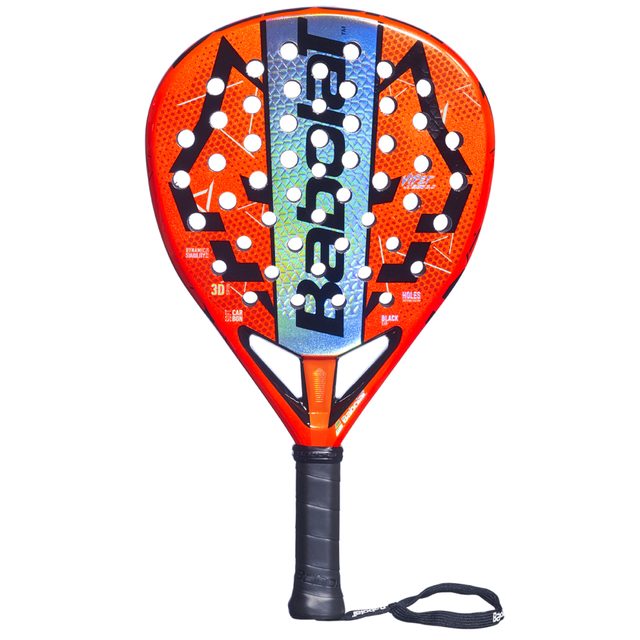
A head-heavy diamond for the left-side finisher who already brings the swing, with a coarse face tuned for shaped attacking shots.
The verdict
The Babolat Viper Soft 3.0 is an attacker's frame, and the diamond head announces it before you swing. Weight collects up top and the balance runs head-heavy, so a smash you step under lands with a mass the rounder frames on the next court cannot match. This is a racket for the player who lives on the left, hunts the overhead, and already owns the technique to point it where they want.
The word Soft in the name promises more comfort than the frame delivers. Babolat's core here is a medium foam rather than a plush one, so the launch stays low and the ball travels quicker than a true comfort stick would allow. Skip it if your setup runs late or your arm is already sore: a head-heavy diamond punishes both, and the who-should-avoid-it list below spells that out.
The build
The core
Babolat builds this on Black EVA foam it rates medium, though medium here leans toward the firm end of the scale. What follows from that firmness is a flatter, lower ball flight, the sort of shot that clears the net by inches and lands deep before the opponent can set. The trade lives in the feedback. Miss the sweet spot toward the throat and the strike goes quiet and dead, a flat thud where a centered ball rings, and the ball drops short of where you aimed. This is a face that tells you the truth about your contact on every swing, and it flatters nobody who strays from the middle.
The face
The hitting layer is a soft carbon weave finished coarse, rougher under the thumb than a polished face. That texture earns its keep on a brushed shot: the grit holds the ball a fraction longer through contact, and that extra instant of grip is where the revolutions on a víbora or a bandeja come from. On a diamond this demanding of timing, the bite the surface hands back is the margin that keeps an aggressive swing inside the lines. The face is generic soft carbon rather than a named surface tech, so the coarseness does the work here, not a marketing layer.
The shape and balance
The mold is a diamond with the weight stacked high, running head-heavy. You feel it most when a rally forces you to change the plane of a shot: try to redirect a fast ball crosscourt at the last instant and the loaded head resists the turn, arriving a beat behind your intention. Give it a full arc, though, and that same top weight becomes a plus, driving through a set overhead with a mass the rounder frames cannot match. The reward is reserved for the committed swing, and the frame quietly penalizes the hurried one every time you try to hurry it.
How it plays
On the attack
This is the shot the frame was drawn around. Step under a smash with your feet planted and the ball comes down with weight behind it, the sort of overhead that ends the point from the left before anyone gets a racket to it. A shaped shot pays off too: hit a víbora with intent and it drops over the net then skids low off the side wall, kicking away from a comfortable return and pulling your opponent off the court. What the frame asks in return is a full swing. Cut it short and the head arrives late, the contact feels thin, and the ball sails long.
At the net
Volleys reward a player who plays forward. Punch through a ball with your weight moving into the court and it leaves fast with nothing to soften it, a firm block that lands at the feet and gives no time to recover. Where this frame turns on you is the reflex exchange: a ball driven hard at your chest asks the heavy head to snap around in a heartbeat, and that is the one thing it will not do, so the return floats off the frame and hangs up for the putaway. Quick, early hands are not a bonus here, they are the entry fee.
From the baseline
Pushed deep, you are on your own for the soft touch. This frame returns pace rather than absorbing it, so a reset dropped short over the net comes down to your hands and your timing alone, not to any give in the frame. A defensive lob tells the same story: place it well and the top weight carries it to a length off a compact swing, place it late and it drops short and sits up for the smash. The racket rewards a good decision and exposes a slow one.
In the transition
Moving from the back glass up to the net is where the balance costs you the most in a single sequence. The heavy head is slow to reset between a low block off the wall and the volley that follows, so a ball you dig out on the way in often leaves the frame trailing your feet, half a beat behind the point. Players who close the net in a straight, decisive line get the head where it needs to be; players who scramble and improvise find it lagging, and the transition volley that should have been a finish becomes a floater instead.
The arm
Be straight with yourself about your elbow before you buy. A firm frame stacked head-heavy loads the joints harder than a soft, even racket does, and this one offers no relief on that front. Timed well it rides quietly through a match. But a run of mishits adds up in the elbow and shoulder, and deep into a third set a tender arm will feel every miss it collected along the way. The frame gives comfort only to clean contact, and it takes that comfort back the moment your timing slips.
Who it's for (and who should skip it)
Buy it if
- You play the left side and build points around the overhead, the víbora, and the bandeja.
- You make your own pace and want a head-heavy frame that turns a committed swing into a finish.
- Your technique is grooved and your arm handles a firm, top-loaded contact across a full match.
Look elsewhere if
- You are still building your swing and want a frame that keeps a mishit in play rather than punishing it.
- Your shoulder tightens on repeated overheads, because a firm head-heavy diamond asks the joint to absorb that load smash after smash and gives nothing back on the ones you catch off-center.
- You spend more of the match defending than attacking and want a racket that lifts free depth off the back glass for you.
Not sure it's your match? The free 2-minute quiz reads your level, style, and budget and tells you which racket is.
The bottom line
There is no best racket, only the best one for your game, and the Viper Soft 3.0 fits a narrow slice: the left-side attacker with the swing to earn its weight and the arm to carry its firmness. If that is not quite you yet, the free 2-minute quiz reads your level, style, and budget and points you to the one that is.
Where to buy
Prices shown in Euro, converted and approximate. You check out in the store's own currency.
Frequently asked
No. This is an advanced attacking racket, a head-heavy diamond at 365g that turns on a late swing and rattles the elbow when you miss the middle, so a beginner spends the match fighting it. Something round near 355g with a soft core will teach cleaner contact and treat your arm better. Come back to this one once your overhead is reliable.
It sits on the power side. Everything about the build, from the diamond head to the head-heavy balance, is arranged to put weight behind the smash rather than to place a soft ball. Any precision you get comes from spin and timing, not from a gentle launch, which is why it fits an aggressor who already lands the ball where they aim.
The core is a Black EVA foam Babolat rates medium, though it plays closer to firm, and the face is a soft carbon layer with a coarse finish. That firmer center is what keeps the ball flat and quick, while the coarse surface bites into a brushed shot for spin. Carbon runs through the frame to hold the diamond head steady when you catch one hard.
The natural owner is a left-side player whose first instinct is to attack. A grooved overhead, a taste for the víbora, and an arm that shrugs off a firm contact are the three things that make this frame sing. Spend most of your match resetting from the back of the court and a more even, forgiving racket will serve you better.
It lands in the premium advanced tier alongside Babolat's other carbon frames. None of our approved retailers had it in stock when we checked on 5 October 2026, so there is no live price to show right now.
The app · free quiz
Not sure which one's you?
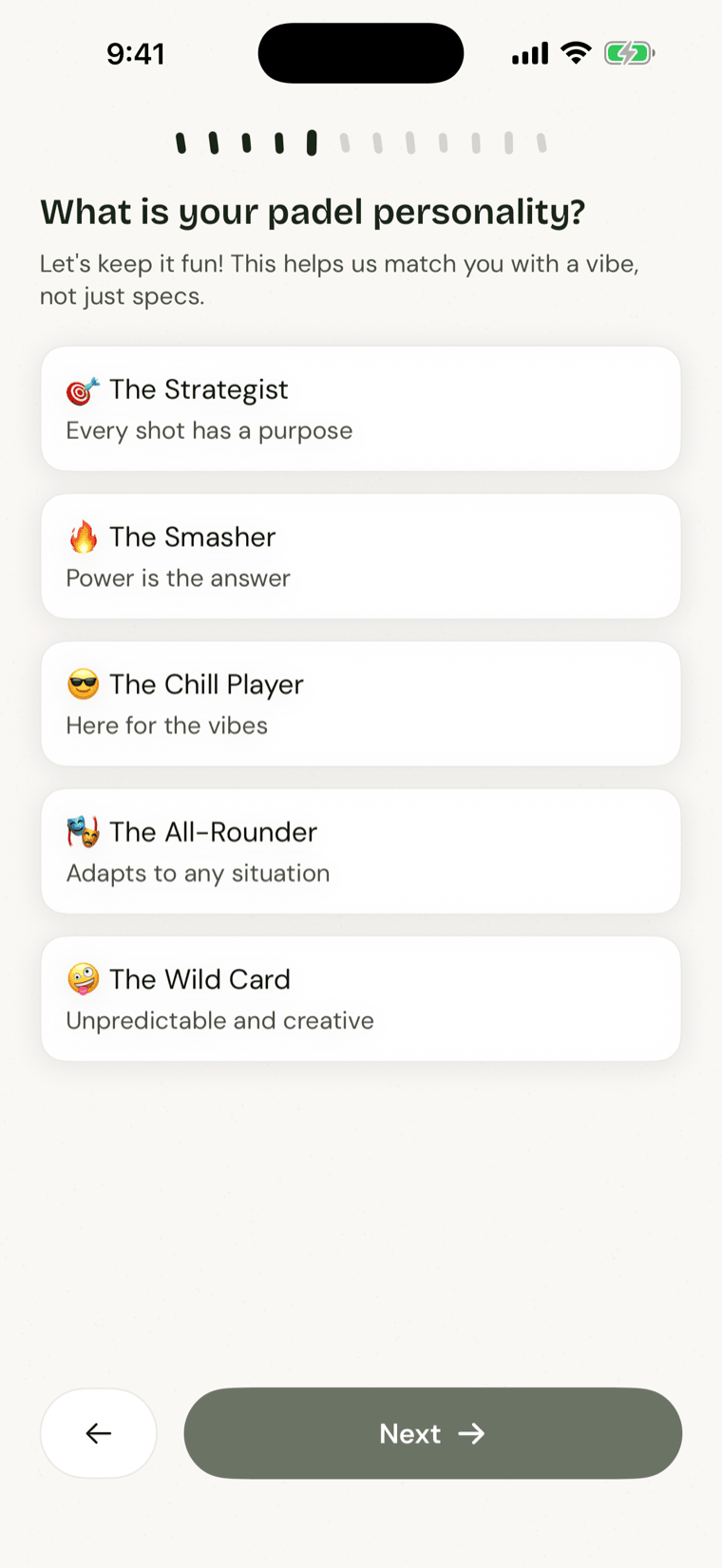
Take the free quiz in the app. We'll match a racket to your game, not the other way around.
Find my racketFree quiz. Sign in with email or Google to get your four picks.

Babolat Viper Soft Juan Lebrón 3.0 2026 Review
By Andres Jovem · Updated October 19, 2026
A head-heavy diamond for the left-side finisher who already brings the swing, with a coarse face tuned for shaped attacking shots.
The verdict
The Babolat Viper Soft 3.0 is an attacker's frame, and the diamond head announces it before you swing. Weight collects up top and the balance runs head-heavy, so a smash you step under lands with a mass the rounder frames on the next court cannot match. This is a racket for the player who lives on the left, hunts the overhead, and already owns the technique to point it where they want.
The word Soft in the name promises more comfort than the frame delivers. Babolat's core here is a medium foam rather than a plush one, so the launch stays low and the ball travels quicker than a true comfort stick would allow. Skip it if your setup runs late or your arm is already sore: a head-heavy diamond punishes both, and the who-should-avoid-it list below spells that out.
The build
The core
Babolat builds this on Black EVA foam it rates medium, though medium here leans toward the firm end of the scale. What follows from that firmness is a flatter, lower ball flight, the sort of shot that clears the net by inches and lands deep before the opponent can set. The trade lives in the feedback. Miss the sweet spot toward the throat and the strike goes quiet and dead, a flat thud where a centered ball rings, and the ball drops short of where you aimed. This is a face that tells you the truth about your contact on every swing, and it flatters nobody who strays from the middle.
The face
The hitting layer is a soft carbon weave finished coarse, rougher under the thumb than a polished face. That texture earns its keep on a brushed shot: the grit holds the ball a fraction longer through contact, and that extra instant of grip is where the revolutions on a víbora or a bandeja come from. On a diamond this demanding of timing, the bite the surface hands back is the margin that keeps an aggressive swing inside the lines. The face is generic soft carbon rather than a named surface tech, so the coarseness does the work here, not a marketing layer.
The shape and balance
The mold is a diamond with the weight stacked high, running head-heavy. You feel it most when a rally forces you to change the plane of a shot: try to redirect a fast ball crosscourt at the last instant and the loaded head resists the turn, arriving a beat behind your intention. Give it a full arc, though, and that same top weight becomes a plus, driving through a set overhead with a mass the rounder frames cannot match. The reward is reserved for the committed swing, and the frame quietly penalizes the hurried one every time you try to hurry it.
How it plays
On the attack
This is the shot the frame was drawn around. Step under a smash with your feet planted and the ball comes down with weight behind it, the sort of overhead that ends the point from the left before anyone gets a racket to it. A shaped shot pays off too: hit a víbora with intent and it drops over the net then skids low off the side wall, kicking away from a comfortable return and pulling your opponent off the court. What the frame asks in return is a full swing. Cut it short and the head arrives late, the contact feels thin, and the ball sails long.
At the net
Volleys reward a player who plays forward. Punch through a ball with your weight moving into the court and it leaves fast with nothing to soften it, a firm block that lands at the feet and gives no time to recover. Where this frame turns on you is the reflex exchange: a ball driven hard at your chest asks the heavy head to snap around in a heartbeat, and that is the one thing it will not do, so the return floats off the frame and hangs up for the putaway. Quick, early hands are not a bonus here, they are the entry fee.
From the baseline
Pushed deep, you are on your own for the soft touch. This frame returns pace rather than absorbing it, so a reset dropped short over the net comes down to your hands and your timing alone, not to any give in the frame. A defensive lob tells the same story: place it well and the top weight carries it to a length off a compact swing, place it late and it drops short and sits up for the smash. The racket rewards a good decision and exposes a slow one.
In the transition
Moving from the back glass up to the net is where the balance costs you the most in a single sequence. The heavy head is slow to reset between a low block off the wall and the volley that follows, so a ball you dig out on the way in often leaves the frame trailing your feet, half a beat behind the point. Players who close the net in a straight, decisive line get the head where it needs to be; players who scramble and improvise find it lagging, and the transition volley that should have been a finish becomes a floater instead.
The arm
Be straight with yourself about your elbow before you buy. A firm frame stacked head-heavy loads the joints harder than a soft, even racket does, and this one offers no relief on that front. Timed well it rides quietly through a match. But a run of mishits adds up in the elbow and shoulder, and deep into a third set a tender arm will feel every miss it collected along the way. The frame gives comfort only to clean contact, and it takes that comfort back the moment your timing slips.
Who it's for (and who should skip it)
Buy it if
- You play the left side and build points around the overhead, the víbora, and the bandeja.
- You make your own pace and want a head-heavy frame that turns a committed swing into a finish.
- Your technique is grooved and your arm handles a firm, top-loaded contact across a full match.
Look elsewhere if
- You are still building your swing and want a frame that keeps a mishit in play rather than punishing it.
- Your shoulder tightens on repeated overheads, because a firm head-heavy diamond asks the joint to absorb that load smash after smash and gives nothing back on the ones you catch off-center.
- You spend more of the match defending than attacking and want a racket that lifts free depth off the back glass for you.
Not sure it's your match? The free 2-minute quiz reads your level, style, and budget and tells you which racket is.
The bottom line
There is no best racket, only the best one for your game, and the Viper Soft 3.0 fits a narrow slice: the left-side attacker with the swing to earn its weight and the arm to carry its firmness. If that is not quite you yet, the free 2-minute quiz reads your level, style, and budget and points you to the one that is.
Where to buy
Prices shown in Euro, converted and approximate. You check out in the store's own currency.
Frequently asked
No. This is an advanced attacking racket, a head-heavy diamond at 365g that turns on a late swing and rattles the elbow when you miss the middle, so a beginner spends the match fighting it. Something round near 355g with a soft core will teach cleaner contact and treat your arm better. Come back to this one once your overhead is reliable.
It sits on the power side. Everything about the build, from the diamond head to the head-heavy balance, is arranged to put weight behind the smash rather than to place a soft ball. Any precision you get comes from spin and timing, not from a gentle launch, which is why it fits an aggressor who already lands the ball where they aim.
The core is a Black EVA foam Babolat rates medium, though it plays closer to firm, and the face is a soft carbon layer with a coarse finish. That firmer center is what keeps the ball flat and quick, while the coarse surface bites into a brushed shot for spin. Carbon runs through the frame to hold the diamond head steady when you catch one hard.
The natural owner is a left-side player whose first instinct is to attack. A grooved overhead, a taste for the víbora, and an arm that shrugs off a firm contact are the three things that make this frame sing. Spend most of your match resetting from the back of the court and a more even, forgiving racket will serve you better.
It lands in the premium advanced tier alongside Babolat's other carbon frames. None of our approved retailers had it in stock when we checked on 5 October 2026, so there is no live price to show right now.
The app · free quiz
Not sure which one's you?
Take the free quiz in the app. We'll match a racket to your game, not the other way around.
Find my racketFree quiz. Sign in with email or Google to get your four picks.