Bullpadel
Best all-round
Control
Power
High balance
from€116.99
In stockBuying guide · Left-side players
By Andres Jovem · Updated October 19, 2026
You're the finisher. The lob floats up, it comes down on your side, and the point ends off your strings: a bandeja to reset the rally, a víbora that dies at their feet, a flat smash off the back glass. The frame in your hand has to help you hurt the ball.
That points you toward a diamond or a high-balance teardrop, where the mass sits up top and loads your overheads so the same swing lands harder and deeper. Add a firm core that punches through the ball instead of soaking it up, and a rough face you can brush spin off for the víbora. The trade is a smaller sweet spot and a heavier swing. These aren't forgiving beginner sticks. They're built for someone who already middles the ball.
Every racket here clears that bar. What splits them is how far each pushes power over control, whether it leans diamond or teardrop, and the price, from a value monster near €117 up to a premium diamond near €260. The extra spend buys refinement and a wider margin, not fundamentally more power. All ten are in stock with live prices as you read. Pick the one that matches your swing and your shoulder, and start finishing.
The top 10 at a glance. Swipe through, or read the full breakdown below ↓
Left-side players
A diamond or high-balance teardrop pushes the mass toward the tip, loading your smash and bandeja so the same swing lands harder and deeper. The cost is a higher sweet spot: fine if you time your overheads, punishing if you don't.
The víbora lives on surface grip: a rough face bites the ball so you can brush up the back for the sidespin that dies at your opponents' feet. A smooth face still smashes fine, but gives you less to work with.
Power is only half the job. The bandeja is a placement shot, so a hint of teardrop forgiveness or a softer core lands more of them deep. If you shank bandejas long, lean teardrop over pure diamond.
Head-heavy plus a firm core is the harshest combo your body will feel, and the overhead is the shot that flares up shoulders. A lighter frame near 355-360g takes load off without giving up much punch.
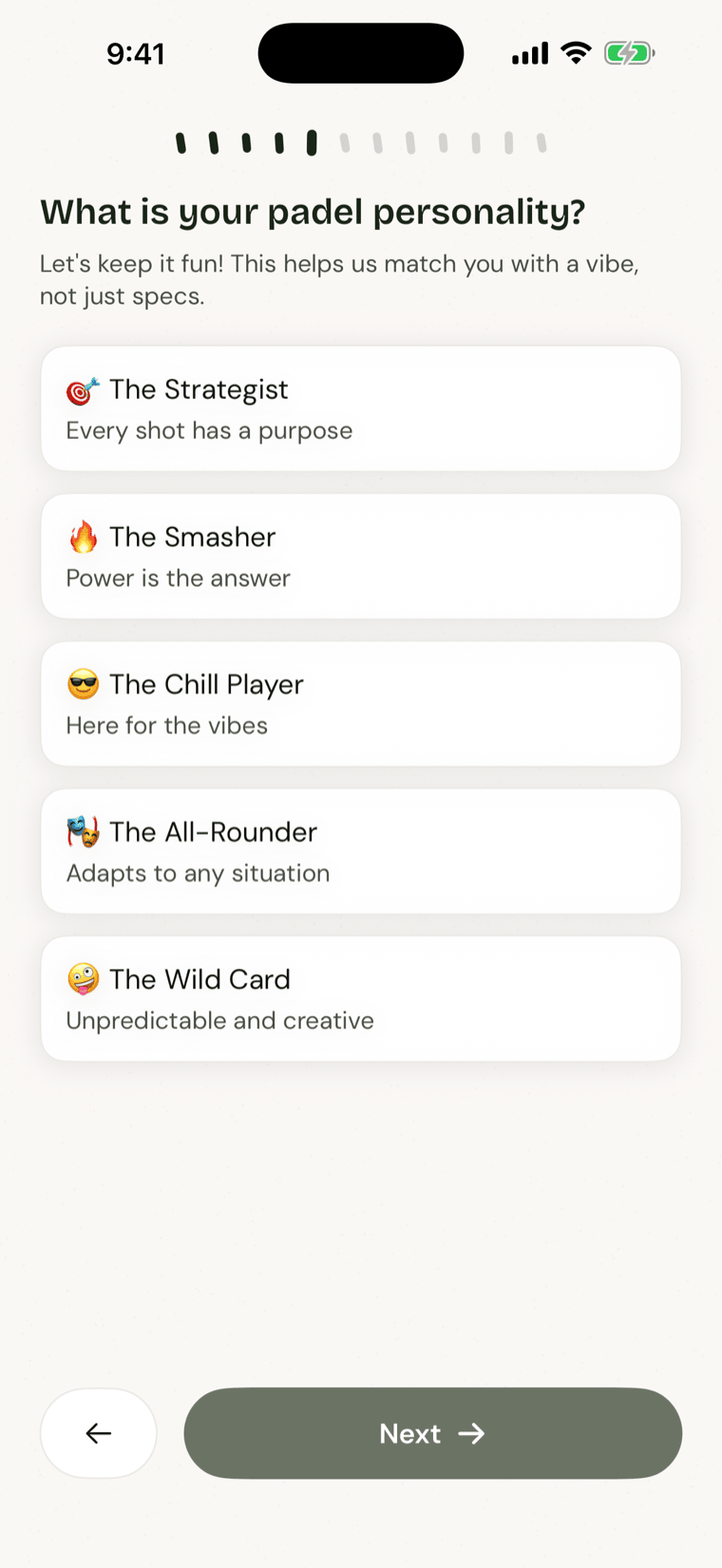
Step onto the left with the Ionic Power and you may never feel the itch to trade up. This is a full attacking diamond that hands you the whole offensive toolkit without asking you to gamble on a flagship-priced badge to learn whether the left side is for you. What makes it special is the value: a complete head-heavy diamond for around €117, specs that usually sit far higher up the price sheet.
The MultiEVA core is the reason it never plays like a plank. That medium foam sinks a fraction under the ball and gives it back with give, so the bandeja you mean to place rather than crush lands deep and stays landable instead of spitting long. Over it sits a Glaphite face, a graphite-glass weave rough enough to grip the ball on the way up, which is what lets you brush a víbora into real sidespin rather than shoving it flat. The 368g of mass stacks high in the Glaphite frame, loading behind the smash so the same swing arrives heavier.
Where it wins you over is on the days your timing drifts by a hair. Contact still leaves the face solid instead of harsh, and a mishit off the back glass clears the net instead of dumping into it. The remate comes off heavy and deep, the víbora bites with spin, and a scrambled block carries enough cushion to keep you in the rally. Up at the net the head stays predictable, quick enough to punch a body shot back without turning in your grip. A firmer frame would punch a touch flatter, but this one keeps you honest company when the point gets messy.

Half your left-side points can die on shanked bandejas, and the Black Titan is built to plug that leak. It is a teardrop, not a diamond, which is what makes it the friendliest overhead frame here: the sweet spot sits lower and wider, so more of your control overheads land deep instead of sailing past the baseline. It suits the attacker whose remate already lands but whose placement shot bleeds points.
Start with the H-EVA Power core, a firm foam that snaps through the ball with no mush, so the remate keeps real punch and the ball leaves fast. Wrapping it is a 24K Carbon face, a dense weave that stays stiff for pace yet carries enough grit to brush a víbora into spin. The teardrop carbon frame is the twist that changes the math: it forgives the placement shots a pure diamond punishes, so you keep the power without betting every bandeja on flawless contact.
The 358g is light in a way your shoulder notices deep into a third set. Defending off the back wall, the head whips up into a reset bandeja without dragging your arm, then those same grams react quick to a fast body shot at the net so your hands aren't caught late on the volley. Put-aways still land flat and heavy, and the face bites when you brush up the back of the ball. The firm build does sting a little on off-center contact when it is cold, and a cleaner strike earns more as your bandeja tightens, but it backs the control side of the job without ever going soft.
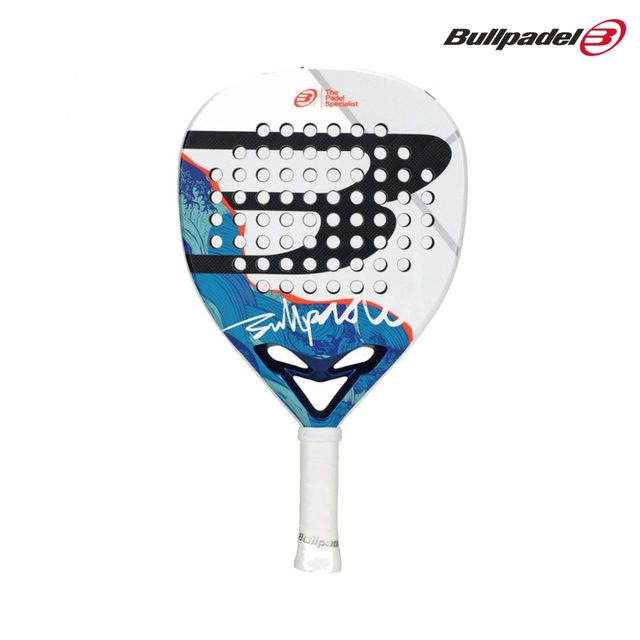
Few rackets announce their intent as loudly as this one. The Nox AT10 Genius Attack is Agustín Tapia's signature diamond, a spin-and-power weapon for the finisher who shapes the ball as hard as they hit it. It rewards a swing that already knows what it wants.
Nox builds it around a firm HR3 Black EVA core under a 12K carbon face: the high-resilience rubber barely compresses at contact, so the smash leaves flat and fast with nothing lost to the core, and the dense carbon skin snaps the energy back instead of soaking it up. The rough surface is the spin story, biting the ball long enough to bend a víbora down short, and the carbon tubular frame stiffens the head so the high balance stays precise at full swing speed rather than wobbling.
The smash is the whole point. Overheads land heavy and stay down, the víbora dips late, and the head feels loaded and ready before the backswing finishes. The cost is the one every serious diamond charges: contact off the sweet spot is punished plainly, the head-heavy balance taxes a tiring arm through a long third set, and a block off the back wall comes back firm with no cushion under it. A left-sider with a grooved overhead will feel the point of it inside a game; anyone still building that swing should look lower on this list.
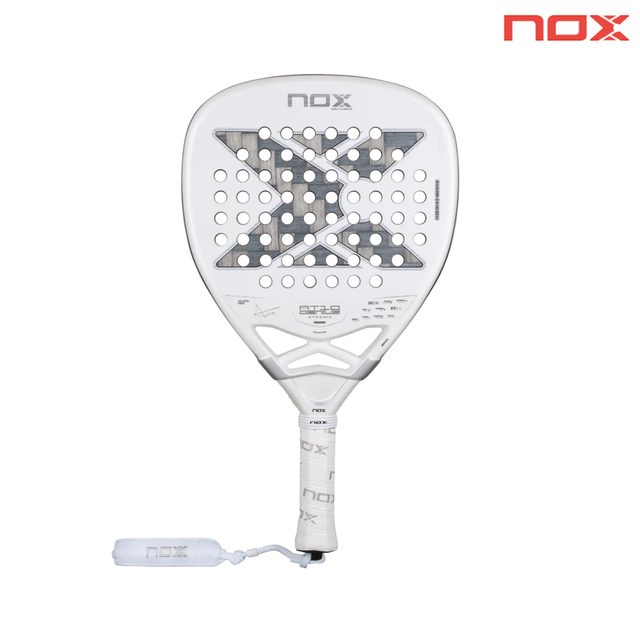
When the plan is to end the point overhead, this is the frame for it. The Coello Pro is Arturo Coello's head-heavy diamond, from Head's Coello collection, built for the left-sider whose game is the smash, the víbora and the ball taken out over the side glass.
Head builds the face from Carbon Hybrid, a carbon and fiberglass blend with its Extreme Spin texture, over an upgraded Power Foam core. The firm core gives back pace instead of absorbing it. The textured face grips the ball for a víbora that skids.
Overhead, the smash leaves heavy and fast, and a ball you'd normally reset can be finished. At the net, punch volleys carry weight through the gap. The price is defense: the weight at the tip makes a late block from the back glass hard to time, so it suits the player whose partner covers the back.

Lok isn't a name off the pro-circuit posters, and that is the entire pitch. The Jungle hands you pro-tier hard-diamond specs for around €180, the kind of frame that costs a good deal more once a familiar badge sits on the throat. It is for the player who cares far more about what a racket does than what it says on the side.
The EVA core is a firm one, and it snaps through the ball so the smash lands hard and low with no mush behind it. Around it runs a C18 Carbon fiber face, a rough weave with enough tooth to spin a víbora when you brush up the back of the ball. Its mass rides high toward the tip, so that firm-core speed loads into every overhead. Skipping the big-brand markup is what keeps those specs affordable; what you trade is resale value and the reassurance of a known logo, never the performance itself.
That firmness gives nothing away for free. Defending off the back wall, a block springs back hard with no cushion, and the escape bandeja wants a confident swing, not a nudged one, because a stiff frame won't soften a tentative shot. At the net the volley is crisp and quick but unforgiving on a poor strike, so clean contact earns its keep. Then the remate pays you back: heavy, flat, fast, with real spin off the rough weave. The specs won't hold you back as you learn to attack harder; only the thinner resale reminds you it is a challenger brand.
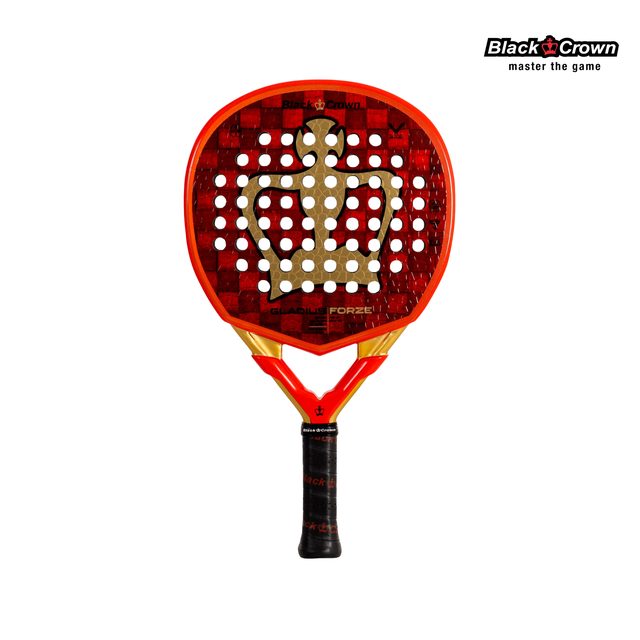
The Gladius Force wants to be a diamond that forgives you, and it mostly pulls it off. This is a high-balance teardrop with a hard core, so it hits close to diamond-hard while holding a wider sweet spot than the pure attackers ranked above it. That suits a lefty who attacks often but isn't flawless yet.
The Hard Black EVA core and forward balance drive the smash flat and fast, the way a pure diamond would, so you give up nothing at the top end. Facing it is an 18K Carbon face, dense and stiff for pace with a rough finish that spins the víbora when you brush it. Its teardrop shape is the safety net: a lower, wider sweet spot keeps more overheads on the strings when your timing slips, which is where a full diamond quietly leaks points.
The margin shows up most in your hands. At the net the lighter head reacts fast to a body shot and puts the volley away with a crisp pop. Defending deep, that extra sweet spot means a rushed block or a scrambled lob still finds the middle and clears, which is where the teardrop earns its place. The remate lands close to diamond-heavy, the face spins the víbora, and the ball comes off firm without punishing every stray contact. Keep attacking and you may eventually want the safety net gone, but it earns its keep through the learning.
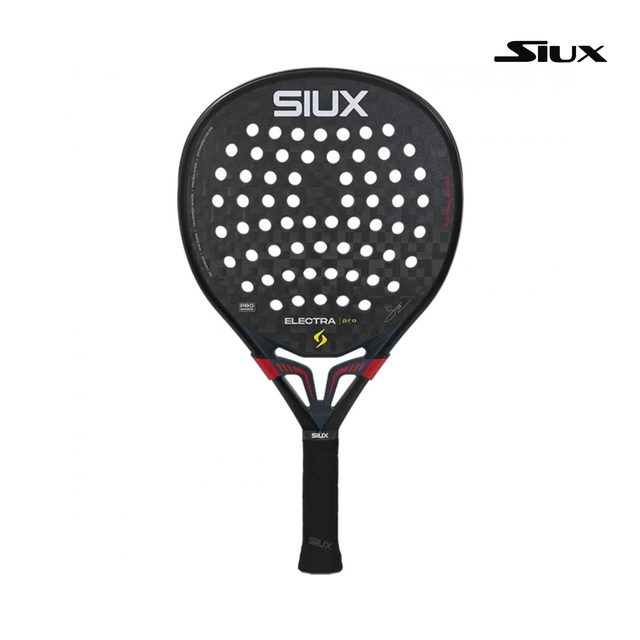
Franco Stupaczuk plays the Electra, and the Shadow Red is the version Siux tunes for a little more control than the explosive Fire Red. It's a teardrop for the left-sider who wants a diamond's attack with a wider margin when the overhead isn't clean.
The faces are 12K carbon, rigid and quick to return the ball, over a firm EVA Hard core. A sandy matte finish grips the ball, so the víbora and the bandeja carry spin, and the firm core keeps your pace on the ball rather than soaking it up.
At the net it's quick, firm and direct: a high volley goes away instead of coming back. Overhead, the teardrop gives a slightly larger sweet spot than the diamonds here, so a smash caught a little low still lands. From the back it defends better than a pure diamond, though the firm feel asks for good technique.

Attack without losing the plot between smashes, and the Blade V4 is the most balanced teardrop here. Wilson's Blade line has always leaned control-first, and this one carries that instinct into a finisher's frame: enough head weight to end points, enough forgiveness to stay in the rally, at a fair €134.
The Firm EVA core gives the frame its finishing bite, snapping the smash out flat and quick. On top runs a carbon fiber face tuned for the Blade line's trademark control, direct on a clean strike yet forgiving enough that your resets and volleys hold their line instead of drifting long. The teardrop frame widens the sweet spot past a diamond's, so you finish points without needing a flawless hit.
Everything about it feels planted and unhurried. Up at the net the volley is quick and stable, easy to block a body shot back without the head twisting in your hand. Defending off the back glass, the teardrop lifts a bandeja deep to buy you time, and a block comes off controlled, not wild. The remate lands flat and firm once you're set, and off-center hits stay in play more than a diamond forgives. As your overhead hardens the mass keeps pace, and it never punishes you for being a shot late.
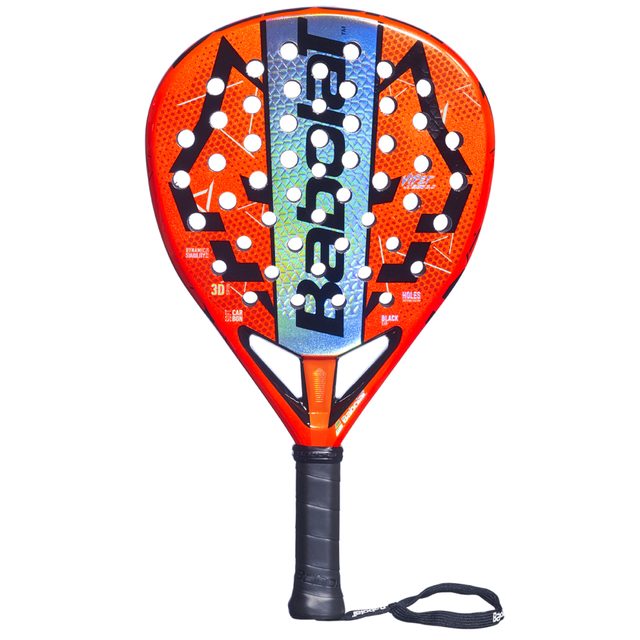
This is Juan Lebrón's line, and Lebrón is about as pure a left-side attacker as the sport holds. Notice the word Soft: a diamond that hits huge but is tuned a shade friendlier than a full-blooded pro stick. It is for the player who wants real attacking pedigree they can actually live with several times a week.
The Black EVA core is the clever part, softer than a diamond's foam usually runs. It gives a little on contact, so mishits don't punish as hard and the bandeja stays landable, which is what an unforgiving pro frame won't do for you. Laid over it is a soft carbon face, a compliant weave rough enough to brush the ball into heavy spin, and the 365g of mass in the carbon frame loads your overhead behind that grip. The result is the heavy, spun smash the signature promises, with the sting taken off.
That cushion is why you can play it several times a week without your hands paying for it. At the net the volley punches with diamond weight but forgives a slightly off strike. Defending off the back wall, a block comes off with a hint of give instead of a jarring kick, and the escape bandeja lands deep without demanding a perfect hit. The remate is where the name earns its keep: heavy, spun, tour-grade, the face gripping the víbora hard. It is pro-frame feel without pro-frame brutality. You pay for the name, and here the name earns some of it.

Attack hard but hate lugging a heavy head around all match? The Metalbone HRD+ is the lightest true diamond on this list. At 355g it is built for the fast-handed finisher who wants full diamond power without a bruiser dragging their reactions, and you pay a premium for that lighter, sharper build.
The EVA High Memory core is a firm foam that springs straight back to shape, keeping the smash flat and fast even with grams shaved off, so you get the pace without carrying the extra mass a diamond usually demands. Over it Adidas lays a 16K aluminized carbon face, a metallized weave that stays stiff for direct pace while gripping enough to spin the víbora. The light diamond head in the carbon frame is what sets it apart from the heavier attackers here.
Quickness is the through-line at both ends of the court. Up at the net your hands stay sharper than they would behind a heavier head, so you react early to a body shot and flick the volley away. Defending off the back glass, the light head whips up faster into an escape bandeja, and it spares your shoulder across a long match. The remate still lands heavy and flat, with real spin on the víbora, and the ball leaves the strings crisp, not harsh. As you swing harder the light head keeps your hands alive where a heavier frame would start to drag.
So: the value weapon is the Bullpadel Ionic Power. If your bandeja is the shot losing you matches, go teardrop with the Starvie Black Titan. Want maximum spin and power off the overhead, take the Nox AT10 Genius Attack. Prefer a teardrop's bigger margin without giving up the smash, the Wilson Blade V4 or Franco Stupaczuk's Siux Electra Pro Shadow Red. And if you want full diamond power at a lighter, faster 355g, the Adidas Metalbone HRD+ is the pick. Still weighing which trade fits your game? The free app quiz sorts it in two minutes.
The best rackets for a left-side padel player are head-heavy or diamond-shaped frames with a firm core and a rough face, which load the smash and grip the víbora for spin. Our top all-round pick is the Bullpadel Ionic Power, a 368g diamond near €117. If your bandeja needs help, the teardrop Starvie Black Titan is the smarter buy.
Choose a diamond for maximum smash power, or a high-balance teardrop if you shank bandejas and want a wider sweet spot. Diamonds like the Head Coello Pro hit hardest but ask for clean overheads. Power teardrops like the Black Crown Gladius Force forgive placement shots while still driving the remate.
Expect roughly €117 to €260 for a quality attacking racket. Challenger brands like Lok deliver pro-level hard-diamond specs around €199 while premium frames like the Babolat Juan Lebrón and Head's Coello Pro run past €200. The extra spend buys refinement and a wider margin, not more raw power.
Up to a point. A head-heavy frame around 360 to 370g loads more mass behind the smash, adding power for the same swing, but too much weight slows your hands at the net and taxes the shoulder. Most left-side players sit between 360g and 370g; if shoulder strain creeps in, a lighter 355g diamond like the Adidas Metalbone HRD+ is worth it.
Usually, yes. The left-side player finishes points with smashes, so they favor head-heavy, firm, spin-friendly frames. The right-side player sets up points and returns more, so they lean toward a balanced, controllable racket. It comes down to the role you play, not your handedness.
Move to a pure diamond once you consistently middle your overheads and want more power than a teardrop gives. Until then, a high-balance teardrop offers most of the punch with a bigger margin for error. Or take our free app quiz, which matches a racket to your role, swing, and budget in two minutes.
We start from a catalog of 800+ rackets, not a shortlist from a brand. From it we select attacking frames a left-sider can finish with, verify every price and stock status live at our approved shops before publishing, and re-check them on every update. Nobody pays for placement, and there are no invented test scores: specs come from the catalog and retailer listings, and the free two-minute quiz matches the same data to your game.
The app · free quiz
Take the free quiz in the app. We'll match a racket to your game, not the other way around.
Find my racketFree quiz. Sign in with email or Google to get your four picks.