Black Crown Piton 14 2026 Review
By Andres Jovem · Updated October 3, 2026
A diamond-shape attacker with a medium core, so it hits big without the board-stiff sting most diamonds hand your arm.
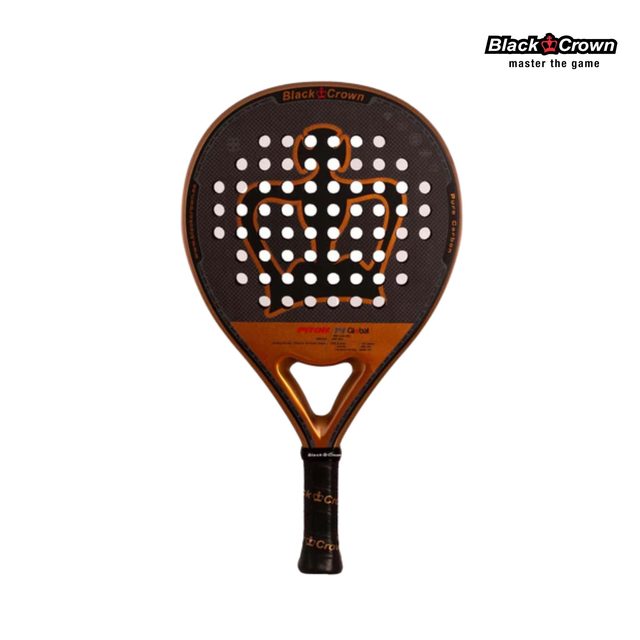
The verdict
The Black Crown Piton 14 is a diamond built for the player who lives at the net and hunts the overhead, but it makes one unusual concession: it does not try to be the hardest thing in your bag. Black Crown pairs the head-heavy diamond head with a medium white EVA core, so you keep the top-heavy swing that turns a set-up smash into a finish while the flat, jarring contact that makes most diamonds a chore over two hours gets tuned out.
That does not make it a beginner racket, and it is worth being blunt about why. It is stamped advanced, it carries its mass up in the head, and it wants a swing that arrives on time. Rush it or catch the ball late and the head-weight works against you rather than for you. This is a frame for someone who already attacks with intent and wants a diamond that fights their elbow a little less.
The build
A medium core that takes the edge off
The Piton 14 is built around a Medium White EVA foam, and picking medium over a firmer block is the decision that shapes everything else. The foam compresses a fraction at contact and soaks up part of the impact, so the ball still leaves quickly but the hit lands softer in the hand. You feel it most on the shots you did not middle. A strike that catches the upper third of the face still goes somewhere useful, and the shock that reaches your forearm is dialed down from what a diamond usually delivers.
A rough 3K aluminum carbon face for grip
The hitting layer is a 3K Aluminum carbon weave finished rough to the touch. That coarse texture holds the ball a beat longer as it crosses the strings, and the drag it puts on the felt is what lets you shape the shot. Roll your wrist up the back of the ball and the surface bites, so slice and topspin both take and the ball dips down into court. The 3K weave is on the more flexible side of carbon layups too, which sits with the medium core rather than against it, so the whole face works with you on touch shots and does not demand a perfect strike every time.
A head-heavy diamond built to swing
The mass sits high in a diamond head, and at 362g the Piton 14 carries real weight up top. Wind up for an overhead and the head wants to keep traveling, dropping its own momentum onto the ball so you supply the aim and it supplies the punch. That same high balance is what you have to respect at close quarters. When a ball jumps at you fast, the racket takes a moment longer to bring around than an even-balance frame would, and you have to start the swing earlier than instinct tells you.
How it plays
Overheads are the reason to own it
Give yourself room to load up on a smash and the Piton 14 comes alive. The head-weight tips forward through contact and drives the ball down into the corner, where it grips the floor and springs off the back wall at an angle that pulls the returner out of position. The medium core lets you feel the ball sit on the face for a split second before it goes, so the smash has a firm, connected feel at the point of contact. This is the shot the racket was drawn around, and it is where the extra grams justify themselves.
Fast hands battles ride the swing-through
When the volleys start flying at the net, the Piton 14 leans on its momentum. Once you get the head moving it keeps rolling through the contact, so a punched volley carries real depth and a counter off a hard drive comes back deep and heavy enough to pin the returner behind the line. The flip side is that all that traveling mass takes effort to redirect. Change the angle at the last instant or dig out a ball fired at your body and you are wrestling the head back on line, so pick your target early and let the swing-through do the pushing.
Defense asks you to work for depth
Backed up behind the service line the Piton 14 is easier to live with than its shape suggests. On a lob or a reset you keep a decent read on where the ball is going, and a stretched dig comes off with less of the harsh kick a stiffer diamond would put on it. What you do not get is free length. The head-heavy build is slow to whip up from below the ball, so you supply the lift and the depth yourself, timing the swing early on a scramble so the reset clears the net and pushes your opponents back off the line.
The honest arm note
A diamond with weight in the head is never truly gentle on the body, and the Piton 14 is no exception. It sits kinder in the hand than a stiff diamond does, but by the third set that mass up top starts to tell in your arm and shoulder, and a badly shanked smash sends a hard jolt up from the grip that you feel long after the point. If your arm or shoulder already flares up after a hard session, the softer core takes the edge off without curing it, and a lighter, more even frame will treat you better.
Who it's for (and who should skip it)
Buy it if
- You attack from the net and want a diamond whose overhead does the heavy lifting for you.
- You want the power of a head-heavy frame but have found stiff diamonds too harsh on the hand and arm.
- Your timing is grooved enough to bring a 362g head-heavy racket around on time.
Look elsewhere if
- You are still learning the game and need a forgiving, evenly balanced frame that helps on mishits.
- You defend far more than you attack and want a racket that lifts your lobs and resets without much effort from you.
- Your arm or shoulder flares up after long matches, since the head-weight still puts a real load on the body even with the softer core.
Not sure it's your match? The free 2-minute quiz reads your level, style, and budget and tells you which racket is.
The bottom line
The Piton 14 earns its place if the overhead is the shot you win points with, because that is where its head-weight pays you back and where a lighter even-balance frame simply cannot match it. If your game leans the other way and you spend most of a match lifting lobs and resetting from the back, the effort it asks on defense makes it the wrong tool, and your money buys more elsewhere. Not sure it is your match? The free 2-minute quiz reads your level, style, and budget and tells you.
Where to buy
Prices shown in Euro, converted and approximate. You check out in the store's own currency.
Frequently asked
No. The Piton 14 is an advanced diamond-shape racket with its weight up in the head, so a newer player will struggle to time the swing and get little help on off-center hits. A round, evenly balanced frame near 360g will teach you cleaner contact and be kinder while you build your technique. Come back to the Piton once your attacking swing is grooved.
The Piton 14 is a power racket first. The diamond head and high balance stack the mass behind your smash for a top-heavy, attacking swing. Where it differs from most power frames is the medium white EVA core, which softens the contact and gives you a bit more feel on touch shots than a board-stiff diamond would.
It runs a medium white EVA core under a 3K aluminum carbon face with a rough finish. The medium foam takes some sting out of the hit and adds forgiveness, while the textured surface bites the ball so you can put shape on a bandeja or a slice.
It is easier on the arm than a stiff diamond, but it is not a comfort racket. The medium core cushions contact more than a firmer foam does. Even so, this is a 362g frame with its weight sitting high, and that combination puts a real strain on the arm and shoulder as a match wears on. Players who need to protect the arm will be more comfortable on a lighter, more even frame.
A board-stiff diamond fires the ball back faster and flatter, but it punishes mishits and beats up your arm. The Piton's medium core softens contact, widens the margin for error, and stays playable longer into a match. You give up a slice of top-end pace and gain comfort and feel, which is the swap this racket is built to make.
The app · free quiz
Not sure which one's you?
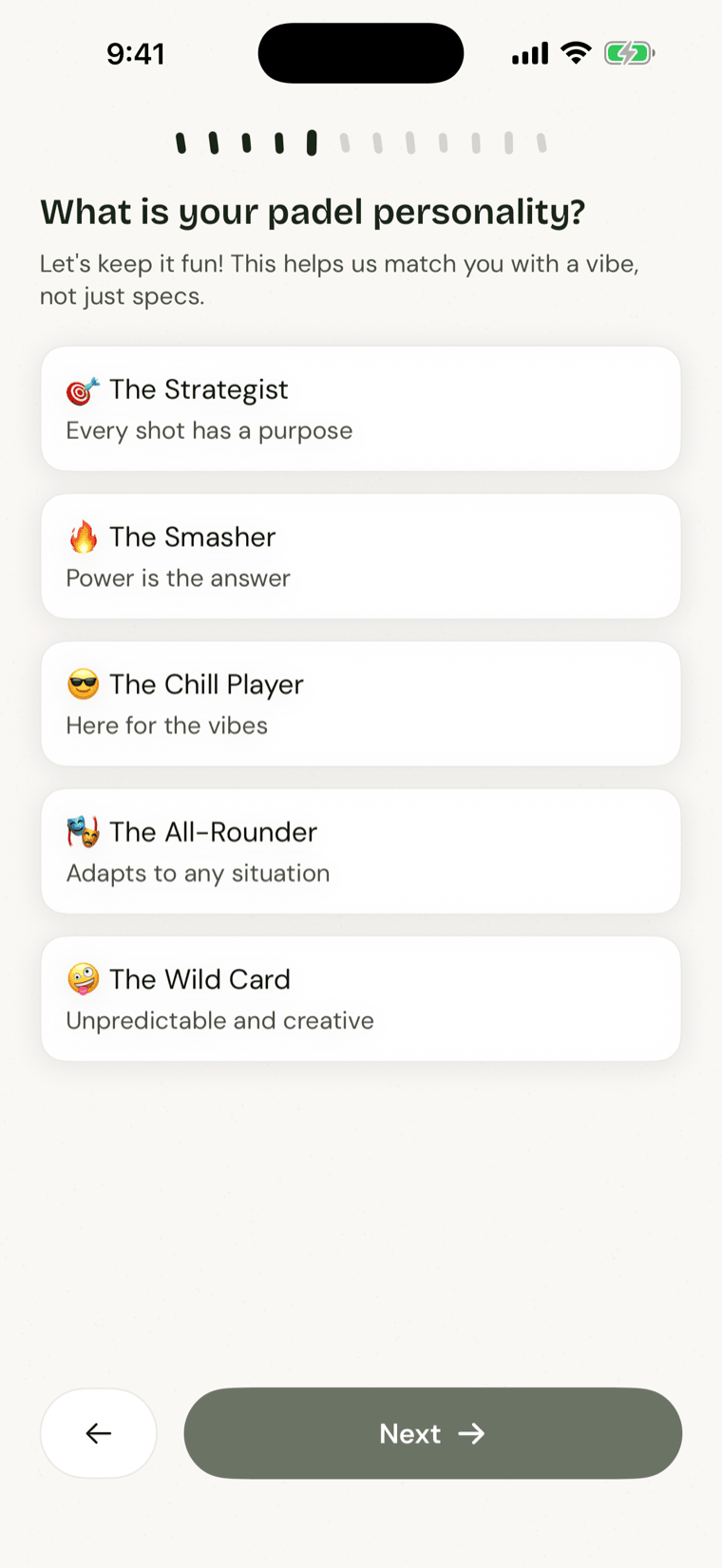
Take the free quiz in the app. We'll match a racket to your game, not the other way around.
Find my racketFree quiz. Sign in with email or Google to get your four picks.

Black Crown Piton 14 2026 Review
By Andres Jovem · Updated October 3, 2026
A diamond-shape attacker with a medium core, so it hits big without the board-stiff sting most diamonds hand your arm.
The verdict
The Black Crown Piton 14 is a diamond built for the player who lives at the net and hunts the overhead, but it makes one unusual concession: it does not try to be the hardest thing in your bag. Black Crown pairs the head-heavy diamond head with a medium white EVA core, so you keep the top-heavy swing that turns a set-up smash into a finish while the flat, jarring contact that makes most diamonds a chore over two hours gets tuned out.
That does not make it a beginner racket, and it is worth being blunt about why. It is stamped advanced, it carries its mass up in the head, and it wants a swing that arrives on time. Rush it or catch the ball late and the head-weight works against you rather than for you. This is a frame for someone who already attacks with intent and wants a diamond that fights their elbow a little less.
The build
A medium core that takes the edge off
The Piton 14 is built around a Medium White EVA foam, and picking medium over a firmer block is the decision that shapes everything else. The foam compresses a fraction at contact and soaks up part of the impact, so the ball still leaves quickly but the hit lands softer in the hand. You feel it most on the shots you did not middle. A strike that catches the upper third of the face still goes somewhere useful, and the shock that reaches your forearm is dialed down from what a diamond usually delivers.
A rough 3K aluminum carbon face for grip
The hitting layer is a 3K Aluminum carbon weave finished rough to the touch. That coarse texture holds the ball a beat longer as it crosses the strings, and the drag it puts on the felt is what lets you shape the shot. Roll your wrist up the back of the ball and the surface bites, so slice and topspin both take and the ball dips down into court. The 3K weave is on the more flexible side of carbon layups too, which sits with the medium core rather than against it, so the whole face works with you on touch shots and does not demand a perfect strike every time.
A head-heavy diamond built to swing
The mass sits high in a diamond head, and at 362g the Piton 14 carries real weight up top. Wind up for an overhead and the head wants to keep traveling, dropping its own momentum onto the ball so you supply the aim and it supplies the punch. That same high balance is what you have to respect at close quarters. When a ball jumps at you fast, the racket takes a moment longer to bring around than an even-balance frame would, and you have to start the swing earlier than instinct tells you.
How it plays
Overheads are the reason to own it
Give yourself room to load up on a smash and the Piton 14 comes alive. The head-weight tips forward through contact and drives the ball down into the corner, where it grips the floor and springs off the back wall at an angle that pulls the returner out of position. The medium core lets you feel the ball sit on the face for a split second before it goes, so the smash has a firm, connected feel at the point of contact. This is the shot the racket was drawn around, and it is where the extra grams justify themselves.
Fast hands battles ride the swing-through
When the volleys start flying at the net, the Piton 14 leans on its momentum. Once you get the head moving it keeps rolling through the contact, so a punched volley carries real depth and a counter off a hard drive comes back deep and heavy enough to pin the returner behind the line. The flip side is that all that traveling mass takes effort to redirect. Change the angle at the last instant or dig out a ball fired at your body and you are wrestling the head back on line, so pick your target early and let the swing-through do the pushing.
Defense asks you to work for depth
Backed up behind the service line the Piton 14 is easier to live with than its shape suggests. On a lob or a reset you keep a decent read on where the ball is going, and a stretched dig comes off with less of the harsh kick a stiffer diamond would put on it. What you do not get is free length. The head-heavy build is slow to whip up from below the ball, so you supply the lift and the depth yourself, timing the swing early on a scramble so the reset clears the net and pushes your opponents back off the line.
The honest arm note
A diamond with weight in the head is never truly gentle on the body, and the Piton 14 is no exception. It sits kinder in the hand than a stiff diamond does, but by the third set that mass up top starts to tell in your arm and shoulder, and a badly shanked smash sends a hard jolt up from the grip that you feel long after the point. If your arm or shoulder already flares up after a hard session, the softer core takes the edge off without curing it, and a lighter, more even frame will treat you better.
Who it's for (and who should skip it)
Buy it if
- You attack from the net and want a diamond whose overhead does the heavy lifting for you.
- You want the power of a head-heavy frame but have found stiff diamonds too harsh on the hand and arm.
- Your timing is grooved enough to bring a 362g head-heavy racket around on time.
Look elsewhere if
- You are still learning the game and need a forgiving, evenly balanced frame that helps on mishits.
- You defend far more than you attack and want a racket that lifts your lobs and resets without much effort from you.
- Your arm or shoulder flares up after long matches, since the head-weight still puts a real load on the body even with the softer core.
Not sure it's your match? The free 2-minute quiz reads your level, style, and budget and tells you which racket is.
The bottom line
The Piton 14 earns its place if the overhead is the shot you win points with, because that is where its head-weight pays you back and where a lighter even-balance frame simply cannot match it. If your game leans the other way and you spend most of a match lifting lobs and resetting from the back, the effort it asks on defense makes it the wrong tool, and your money buys more elsewhere. Not sure it is your match? The free 2-minute quiz reads your level, style, and budget and tells you.
Where to buy
Prices shown in Euro, converted and approximate. You check out in the store's own currency.
Frequently asked
No. The Piton 14 is an advanced diamond-shape racket with its weight up in the head, so a newer player will struggle to time the swing and get little help on off-center hits. A round, evenly balanced frame near 360g will teach you cleaner contact and be kinder while you build your technique. Come back to the Piton once your attacking swing is grooved.
The Piton 14 is a power racket first. The diamond head and high balance stack the mass behind your smash for a top-heavy, attacking swing. Where it differs from most power frames is the medium white EVA core, which softens the contact and gives you a bit more feel on touch shots than a board-stiff diamond would.
It runs a medium white EVA core under a 3K aluminum carbon face with a rough finish. The medium foam takes some sting out of the hit and adds forgiveness, while the textured surface bites the ball so you can put shape on a bandeja or a slice.
It is easier on the arm than a stiff diamond, but it is not a comfort racket. The medium core cushions contact more than a firmer foam does. Even so, this is a 362g frame with its weight sitting high, and that combination puts a real strain on the arm and shoulder as a match wears on. Players who need to protect the arm will be more comfortable on a lighter, more even frame.
A board-stiff diamond fires the ball back faster and flatter, but it punishes mishits and beats up your arm. The Piton's medium core softens contact, widens the margin for error, and stays playable longer into a match. You give up a slice of top-end pace and gain comfort and feel, which is the swap this racket is built to make.
The app · free quiz
Not sure which one's you?
Take the free quiz in the app. We'll match a racket to your game, not the other way around.
Find my racketFree quiz. Sign in with email or Google to get your four picks.