Wilson Bela Light V3 2025 Review
By Andres Jovem · Updated October 19, 2026
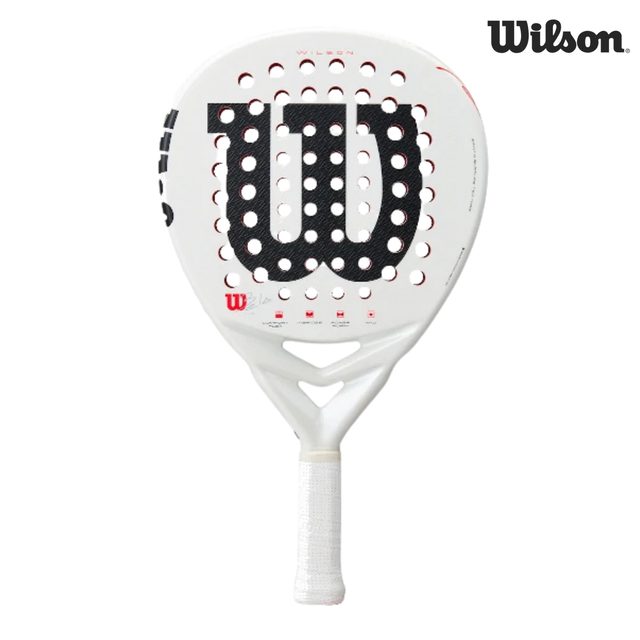
A 355g hybrid from Wilson's Bela line with a carbon and fiberglass face and a soft foam core: the right-side builder's racket, steady and repeatable, with less put-away pace than the attacker's half of the line.
The verdict
The Bela Light V3 is the Bela for the player who places the ball instead of crushing it. Fernando Belasteguín's name is on the frame; the attacking pace is on its sibling. It is a 2025 model, 355g, hybrid-shaped, and it plays the way a good right-side partner plays: the same ball, swing after swing, with the arm fresh at the end.
That consistency is the pitch and the limit in one. A soft foam core and a flexible face give a predictable, soft contact that rewards a repeatable swing, but they hand very little pace back on a high volley or a flat smash. If your game is built on patience and the opening you create for your partner, read on. If you win with the overhead, Wilson's Bela Pro V3 is the heavier, carbon-faced sibling built for you, and we say which is which below.
The build
A soft Power Foam core
Wilson's Power Foam is the core, a soft foam. Soft foam yields under the ball and lets it leave without a snap, so contact feels padded and the vibration of a mishit is mostly absorbed before it reaches the elbow. The name promises power; the behavior is comfort first, with pace that comes from your swing.
The face: woven carbon or a carbon-fiberglass mix
Wilson says woven carbon for the face; the two shops that stock it say a carbon and fiberglass mix. Either way it is not a stiff 3K sheet like the Pro's, and a ball you catch off the middle leaves at close to the speed you expected. Wilson's Spin² Texture roughens the surface, and that grit holds a brushed ball an instant longer, enough to add rotation to a bandeja or a slice.
Hybrid head, medium balance, Duo Grid holes
The mold sits between round and teardrop, a hybrid. You get a little of the teardrop's reach above center without shrinking the sweet spot much, and a medium balance stops the head dragging on a reaction shot. Wilson's Duo Grid Pattern and Sharp Hole Technology are the hole layout. The frame is carbon; Wilson gives no layup.
What the Pro has that the Light does not
Against the Light's 355g and softer face, the Bela Pro V3 is 365g with a 3K carbon face. A 3K carbon sheet fires the ball off at once and tells your hand about every mishit. The Light's face bends a little at contact. That costs you the Pro's put-away speed and buys you the quiet arm. That is the whole fork in the Bela line, and Wilson built both so you could pick a side.
How it plays
Building from the back
This is where the Light V3 earns its keep. A drive from the baseline comes off the face at the pace you put in, lands where you aimed, and the next one does the same. The soft core keeps a blocked smash from jumping off the face, so your reset lands deep and buys you the time to get back to the net. The lob is the same story. A measured swing sends it deep, and the soft contact gives you a clear read on how far it will travel. The one that lands short is on you, not the frame.
At the net, calm hands
Volleys at the body are easy to time because the medium balance leaves the head where your hand expects it, and the soft core means a hard-hit ball does not spray off a block. What you give up is the finishing volley. A high ball you want to put away comes off this face carrying only the speed of your arm. The put-away becomes a placed volley into the corner instead of a winner through the body.
The slice and the chiquita
The rough face does its best work on the shots that need the ball to sit low. A sliced return off the back glass skids rather than sitting up, and a chiquita brushed at the net player's feet rolls off the textured surface with enough spin to make the volley awkward. Keep the brush short and the ball stays low enough to skid under a volley. Neither shot asks the soft core for pace, which is why they are the two the Light V3 does best. A slice you hold at the net turns into a drop shot with the same brush, and the soft core lets it die two bounces short of the back glass.
Overhead: steer, don't smash
The bandeja is the Light V3's overhead. The rough face lets you cut it into the corner and keep the net, and the hybrid head gives enough reach to take it early, before it drops below shoulder height. A flat smash for a winner is possible with a full swing, but it is the one shot where you will feel the soft core give back less than you asked for. A lob that lands short is the one to take on the full swing, because the hybrid head reaches it above shoulder height and the soft core still carries it deep enough. The víbora is weaker here too: the face grips, but the soft core takes the snap out of the brush, so it crosses the net slower than you brushed it.
A quiet afternoon for the elbow
Soft core, flexible face, 355g, medium balance: the elbow and wrist get a quiet afternoon, and that is a sound reason to pick it if a firmer frame has ever left you sore. The price of that quiet is the one you already know, a smash that lands lighter than the swing deserved.
Who it's for (and who should skip it)
Buy it if
- You play the right side and build points with placement, resets and the bandeja
- You want a signature Bela frame without the Pro's firm carbon face and extra weight
- Comfort over a long match matters more to you than the last yard of smash speed
Look elsewhere if
- You finish with the overhead and want pace the frame adds for you: the Bela Pro V3 is the sibling built for that
- You like a crisp, direct contact where every mishit tells you what happened
- You want a current-year frame: this is Wilson's 2025 Bela
Not sure it's your match? The free 2-minute quiz reads your level, style, and budget and tells you which racket is.
The bottom line
If your partner is the finisher and you are the one who makes the finish possible, the Light V3 is the quiet half of a good pair. Buy it for that job. Do not ask it to do the other one.
Where to buy
Prices shown in Euro, converted and approximate. You check out in the store's own currency.
Frequently asked
The Bela Light V3 is kinder than most 355g hybrids, and an improving beginner could grow into it. Still, it is pitched at intermediate-to-advanced players, and a hybrid head sets the sweet spot a little above center. A round frame with its sweet spot mid-face is still the easier first racket; the Light V3 is a good second.
The right side is the Light V3's job. Points there are built with drives, resets and the bandeja, and a 355g hybrid with a soft core does that work without tiring the arm. A right-sider whose aim is to end points from above should look at the Bela Pro V3; our women's right-side guide places the Light V3 for the builder.
A stiffer face and ten more grams separate the Bela Light V3 from the Bela Pro V3. The Pro V3 is 365g with a 3K carbon face, aimed at the attacker. The Light V3 weighs 355g with the softer face, aimed at the player who wants comfort and placement. Same hybrid family, same Belasteguín name, opposite temperaments.
Control is the Light V3's side of the Bela line. The soft core and the flexible face hand back the pace you put in and no more, and the medium balance leaves the head quick for handling, not for swinging through a smash. If you want power from a Bela, it is the Pro.
PadelShop has the Bela Light V3 from €146.95, with PadelMarket at €183.99. PadelShop's figure is a markdown from a €269.95 list price, which is why the two sit so far apart.
Yes. Wilson's own name for the Bela Light V3 is the Bela LS V3; European shops list it as the Light V3 2025. One 355g hybrid, one Power Foam core, two labels. The 2025 is the model year, and Wilson still sells the LS V3 in its current padel range.


The app · free quiz
Not sure which one's you?
Take the free quiz in the app. We'll match a racket to your game, not the other way around.
Find my racketFree quiz. Sign in with email or Google to get your four picks.

Wilson Bela Light V3 2025 Review
By Andres Jovem · Updated October 19, 2026
A 355g hybrid from Wilson's Bela line with a carbon and fiberglass face and a soft foam core: the right-side builder's racket, steady and repeatable, with less put-away pace than the attacker's half of the line.
The verdict
The Bela Light V3 is the Bela for the player who places the ball instead of crushing it. Fernando Belasteguín's name is on the frame; the attacking pace is on its sibling. It is a 2025 model, 355g, hybrid-shaped, and it plays the way a good right-side partner plays: the same ball, swing after swing, with the arm fresh at the end.
That consistency is the pitch and the limit in one. A soft foam core and a flexible face give a predictable, soft contact that rewards a repeatable swing, but they hand very little pace back on a high volley or a flat smash. If your game is built on patience and the opening you create for your partner, read on. If you win with the overhead, Wilson's Bela Pro V3 is the heavier, carbon-faced sibling built for you, and we say which is which below.
The build
A soft Power Foam core
Wilson's Power Foam is the core, a soft foam. Soft foam yields under the ball and lets it leave without a snap, so contact feels padded and the vibration of a mishit is mostly absorbed before it reaches the elbow. The name promises power; the behavior is comfort first, with pace that comes from your swing.
The face: woven carbon or a carbon-fiberglass mix
Wilson says woven carbon for the face; the two shops that stock it say a carbon and fiberglass mix. Either way it is not a stiff 3K sheet like the Pro's, and a ball you catch off the middle leaves at close to the speed you expected. Wilson's Spin² Texture roughens the surface, and that grit holds a brushed ball an instant longer, enough to add rotation to a bandeja or a slice.
Hybrid head, medium balance, Duo Grid holes
The mold sits between round and teardrop, a hybrid. You get a little of the teardrop's reach above center without shrinking the sweet spot much, and a medium balance stops the head dragging on a reaction shot. Wilson's Duo Grid Pattern and Sharp Hole Technology are the hole layout. The frame is carbon; Wilson gives no layup.
What the Pro has that the Light does not
Against the Light's 355g and softer face, the Bela Pro V3 is 365g with a 3K carbon face. A 3K carbon sheet fires the ball off at once and tells your hand about every mishit. The Light's face bends a little at contact. That costs you the Pro's put-away speed and buys you the quiet arm. That is the whole fork in the Bela line, and Wilson built both so you could pick a side.
How it plays
Building from the back
This is where the Light V3 earns its keep. A drive from the baseline comes off the face at the pace you put in, lands where you aimed, and the next one does the same. The soft core keeps a blocked smash from jumping off the face, so your reset lands deep and buys you the time to get back to the net. The lob is the same story. A measured swing sends it deep, and the soft contact gives you a clear read on how far it will travel. The one that lands short is on you, not the frame.
At the net, calm hands
Volleys at the body are easy to time because the medium balance leaves the head where your hand expects it, and the soft core means a hard-hit ball does not spray off a block. What you give up is the finishing volley. A high ball you want to put away comes off this face carrying only the speed of your arm. The put-away becomes a placed volley into the corner instead of a winner through the body.
The slice and the chiquita
The rough face does its best work on the shots that need the ball to sit low. A sliced return off the back glass skids rather than sitting up, and a chiquita brushed at the net player's feet rolls off the textured surface with enough spin to make the volley awkward. Keep the brush short and the ball stays low enough to skid under a volley. Neither shot asks the soft core for pace, which is why they are the two the Light V3 does best. A slice you hold at the net turns into a drop shot with the same brush, and the soft core lets it die two bounces short of the back glass.
Overhead: steer, don't smash
The bandeja is the Light V3's overhead. The rough face lets you cut it into the corner and keep the net, and the hybrid head gives enough reach to take it early, before it drops below shoulder height. A flat smash for a winner is possible with a full swing, but it is the one shot where you will feel the soft core give back less than you asked for. A lob that lands short is the one to take on the full swing, because the hybrid head reaches it above shoulder height and the soft core still carries it deep enough. The víbora is weaker here too: the face grips, but the soft core takes the snap out of the brush, so it crosses the net slower than you brushed it.
A quiet afternoon for the elbow
Soft core, flexible face, 355g, medium balance: the elbow and wrist get a quiet afternoon, and that is a sound reason to pick it if a firmer frame has ever left you sore. The price of that quiet is the one you already know, a smash that lands lighter than the swing deserved.
Who it's for (and who should skip it)
Buy it if
- You play the right side and build points with placement, resets and the bandeja
- You want a signature Bela frame without the Pro's firm carbon face and extra weight
- Comfort over a long match matters more to you than the last yard of smash speed
Look elsewhere if
- You finish with the overhead and want pace the frame adds for you: the Bela Pro V3 is the sibling built for that
- You like a crisp, direct contact where every mishit tells you what happened
- You want a current-year frame: this is Wilson's 2025 Bela
Not sure it's your match? The free 2-minute quiz reads your level, style, and budget and tells you which racket is.
The bottom line
If your partner is the finisher and you are the one who makes the finish possible, the Light V3 is the quiet half of a good pair. Buy it for that job. Do not ask it to do the other one.
Where to buy
Prices shown in Euro, converted and approximate. You check out in the store's own currency.
Frequently asked
The Bela Light V3 is kinder than most 355g hybrids, and an improving beginner could grow into it. Still, it is pitched at intermediate-to-advanced players, and a hybrid head sets the sweet spot a little above center. A round frame with its sweet spot mid-face is still the easier first racket; the Light V3 is a good second.
The right side is the Light V3's job. Points there are built with drives, resets and the bandeja, and a 355g hybrid with a soft core does that work without tiring the arm. A right-sider whose aim is to end points from above should look at the Bela Pro V3; our women's right-side guide places the Light V3 for the builder.
A stiffer face and ten more grams separate the Bela Light V3 from the Bela Pro V3. The Pro V3 is 365g with a 3K carbon face, aimed at the attacker. The Light V3 weighs 355g with the softer face, aimed at the player who wants comfort and placement. Same hybrid family, same Belasteguín name, opposite temperaments.
Control is the Light V3's side of the Bela line. The soft core and the flexible face hand back the pace you put in and no more, and the medium balance leaves the head quick for handling, not for swinging through a smash. If you want power from a Bela, it is the Pro.
PadelShop has the Bela Light V3 from €146.95, with PadelMarket at €183.99. PadelShop's figure is a markdown from a €269.95 list price, which is why the two sit so far apart.
Yes. Wilson's own name for the Bela Light V3 is the Bela LS V3; European shops list it as the Light V3 2025. One 355g hybrid, one Power Foam core, two labels. The 2025 is the model year, and Wilson still sells the LS V3 in its current padel range.
The app · free quiz
Not sure which one's you?
Take the free quiz in the app. We'll match a racket to your game, not the other way around.
Find my racketFree quiz. Sign in with email or Google to get your four picks.