Wilson Blade LS V4 2026 Review
By Andres Jovem · Updated October 19, 2026
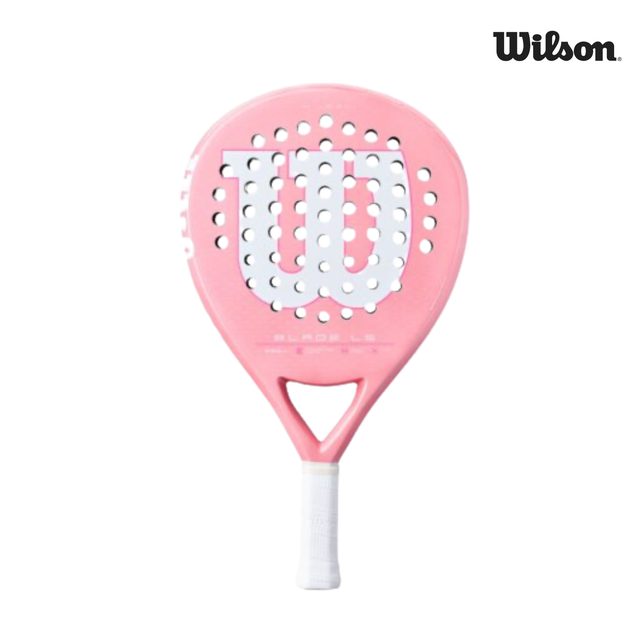
A soft, low-balanced teardrop that eases ex-tennis players into padel with comfort and a touch more reach than a round frame.
The verdict
The Wilson Blade LS V4 is the racket you hand a tennis player who keeps swinging like one. It is soft all the way through, balanced low so the weight sits near your hand, and shaped as a mild teardrop that stretches the sweet spot a little higher than a round frame does. The result is a forgiving, arm-friendly padel racket that rewards placement over pace, which is the exact lesson most converts need first. The LS in the name is Wilson's tag for light and soft, and this frame lives up to both.
What makes it special is the fit for a very specific player: someone who owns a court craft from another sport but is still learning that padel points are built, not blasted. This is not a finisher's racket and it does not pretend to be. If you already generate easy pace and want a frame that pushes the ball back at you, read the who-should-skip list before you spend a cent. If you want comfort while your padel technique catches up, keep reading.
The build
A soft core that takes pace off the ball
The Blade LS V4 is built on a soft core, and that single choice drives everything the racket does. A soft foam compresses more at contact, so it absorbs the shock a stiff frame would fire straight back into your elbow and shoulder, and it hands the ball back gently rather than launching it. For a player arriving with a big swing, that is the point: the racket refuses to reward brute force, so pace has to come from timing instead. The trade is top-end power, which this frame deliberately keeps in check.
A teardrop mold with a low balance
The shape is a teardrop, a middle ground between a round head and an aggressive diamond. That mold pushes the sweet spot a touch higher and further out than a pure round frame, so you get a little more reach on a stretched volley or a ball taken late off the glass, without moving all the mass to the tip. Wilson then pulls the balance low, near the handle, so the head stays light in the hand and answers to your wrist. A low-balanced teardrop is an unusual, friendly combination: the extra reach of the longer shape, kept easy to move by the weight sitting back.
A steady 355g you can swing all match
At 355g the Blade LS V4 sits right in the middle of the weight band, heavy enough to hold a line through contact and shrug off a slightly off-center hit, light enough to still be there for a fast exchange at the net. Paired with the low balance, that weight feels lighter in play than the number suggests, because so little of it sits out at the head. It is a frame you can carry through a long session without your arm quitting on you before your legs do.
How it plays
It coaches restraint
Swing at this racket the way you would swing a tennis racket and it gives you a muted, cushioned contact with no bonus pace, so the temptation to muscle the ball fades fast. Shorten up and place instead, and the ball lands where you aimed it. That is the whole character: a frame that quietly talks you out of over-hitting and into building a point, which is the single hardest habit for a convert to unlearn.
Defending at the baseline
This is where the racket is most at home. Digging a ball out of the back glass stops feeling like a scramble, because the low balance keeps the head ready even when you are late to the shot, and the soft bed cushions a block so it floats back deep instead of spitting long. Resets and lobs come off calm and controllable. You are not fighting the racket for a soft, deep reply, and that buys a beginner the extra half-second they need.
At the net and on the attack
Up at the net the light head reacts quickly, so a volley that jumps at your hip is manageable and a punched block sits down in the court. The mild teardrop reach helps on a wide ball you can only just get to. Where you feel the ceiling is the finish: line up a smash and the ball comes off controlled rather than heavy, because the soft core will not add the last gear of pace a firmer attacking frame gives you. On this racket the put-away is placed, not crushed, and that is a fair trade for the comfort until your technique earns the right to a stiffer frame.
Comfort and the arm
Comfort is the reason to buy this racket. The soft core soaks up the vibration that leaves so many new players nursing a sore forearm, and the low balance means your shoulder is not dragging a head-heavy frame through every swing. If you are coming off a tennis background where the arm already takes a pounding, this is about as kind as a padel racket gets. The honest flip side: that same softness is what caps the power, so the gentle feel and the modest ceiling are two ends of the same choice.
Who it's for (and who should skip it)
Buy it if
- You are crossing over from tennis or another racket sport and need a frame that curbs the big swing while you learn padel's shorter, built points.
- Your arm or shoulder flares up easily and comfort matters more to you than top-end power right now.
- You want the forgiveness of a soft frame but a little more reach than a pure round head, and you like the head staying light in your hand.
Look elsewhere if
- You are an established padel attacker who finishes points with the smash. This frame caps the pace on purpose and will feel like it is holding you back.
- You want free power that the racket supplies for you. The soft core takes pace off the ball, so you have to bring the timing yourself.
- You have already grooved a compact padel swing and want a firmer, more head-loaded frame to hit through the court. You have outgrown what the LS is built to teach.
Not sure it's your match? The free 2-minute quiz reads your level, style, and budget and tells you which racket is.
The bottom line
If you are stepping onto a padel court with a tennis swing and a body that would rather not pay for it, the Blade LS V4 is the frame that eases the crossover: soft, forgiving, light in the hand, with a little more reach than a round head. When the placed put-away starts feeling capped, that is the racket telling you the transition is done and it is time for something firmer. Not sure it is your match? The free 2-minute quiz reads your level, style, and budget and tells you the racket that is yours.
Where to buy
Prices shown in Euro, converted and approximate. You check out in the store's own currency.
Frequently asked
Yes, the Wilson Blade LS V4 suits beginners well, especially anyone crossing over from tennis. Its soft core cushions mishits and spares the arm, the low balance keeps the 355g head easy to move, and the teardrop shape gives a forgiving sweet spot. It rewards placement over power, which is exactly what a new player should learn first.
The Blade LS V4 is a control racket. The soft core takes pace off the ball rather than adding it, and the low, near-handle balance keeps the frame steady and easy to place. You supply the power through timing while the racket keeps your shots deep and accurate. It is built for building points, not for finishing them with raw pace.
Yes, that is the player the Blade LS V4 fits best. The soft bed gives nothing extra when you swing big, so it steers you away from the long tennis stroke and toward padel's shorter, placed shots. The familiar Blade name helps, but the frame plays nothing like a tennis Blade: it is soft, forgiving, and light in the hand.
The Wilson Blade LS V4 is a teardrop-shaped frame with a soft core, weighing 355g with a low, near-handle balance. The teardrop gives a slightly longer reach than a round head while staying forgiving, and the soft core cushions contact to protect the arm. The LS in the name marks it as Wilson's light and soft build.
No, the Blade LS V4 is one of the more arm-friendly frames you can buy. The soft core absorbs the vibration that tends to leave new players with a sore forearm, and the low balance keeps a head-heavy load off the shoulder. If comfort is your priority because your elbow or shoulder complains after long matches, this frame is a safe choice.
The app · free quiz
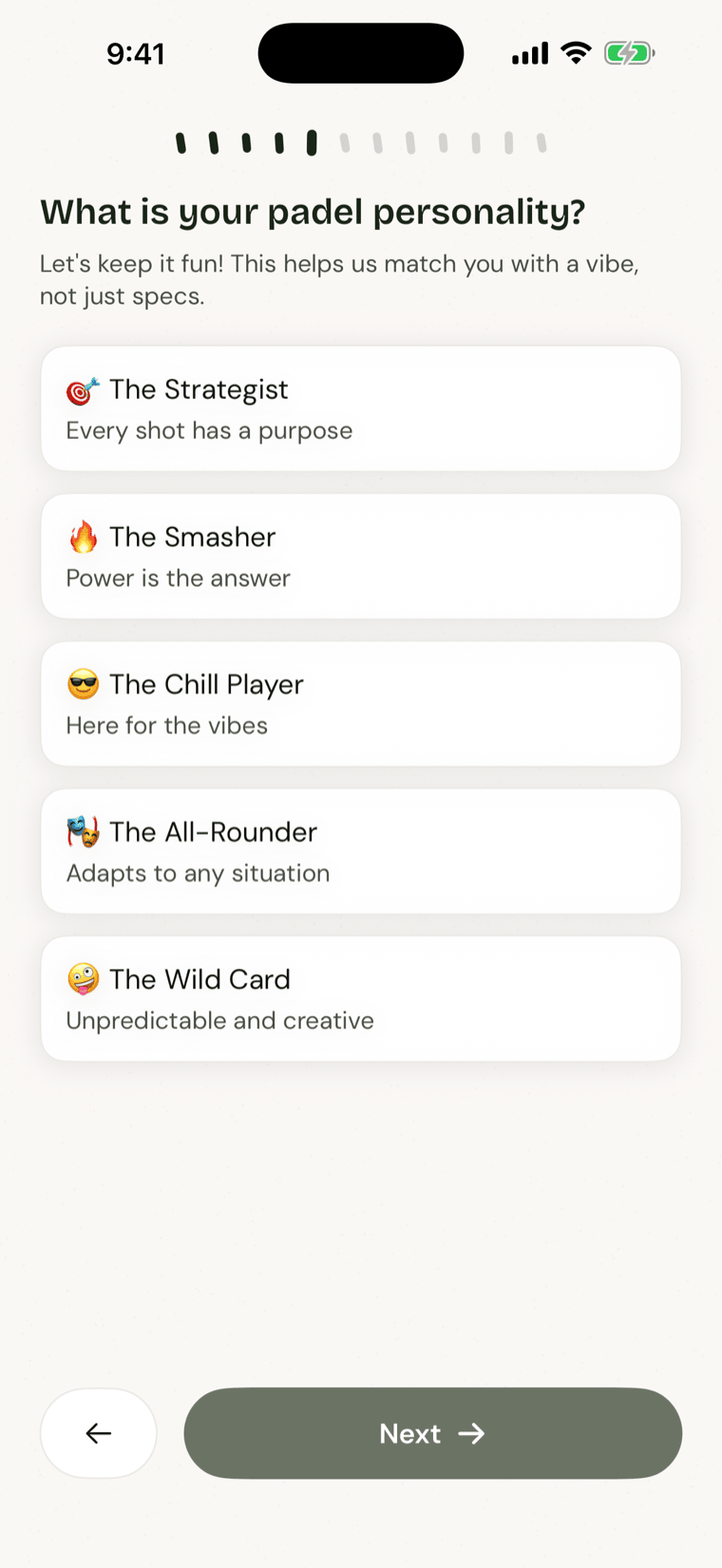
Not sure which one's you?
Take the free quiz in the app. We'll match a racket to your game, not the other way around.
Find my racketFree quiz. Sign in with email or Google to get your four picks.

Wilson Blade LS V4 2026 Review
By Andres Jovem · Updated October 19, 2026
A soft, low-balanced teardrop that eases ex-tennis players into padel with comfort and a touch more reach than a round frame.
The verdict
The Wilson Blade LS V4 is the racket you hand a tennis player who keeps swinging like one. It is soft all the way through, balanced low so the weight sits near your hand, and shaped as a mild teardrop that stretches the sweet spot a little higher than a round frame does. The result is a forgiving, arm-friendly padel racket that rewards placement over pace, which is the exact lesson most converts need first. The LS in the name is Wilson's tag for light and soft, and this frame lives up to both.
What makes it special is the fit for a very specific player: someone who owns a court craft from another sport but is still learning that padel points are built, not blasted. This is not a finisher's racket and it does not pretend to be. If you already generate easy pace and want a frame that pushes the ball back at you, read the who-should-skip list before you spend a cent. If you want comfort while your padel technique catches up, keep reading.
The build
A soft core that takes pace off the ball
The Blade LS V4 is built on a soft core, and that single choice drives everything the racket does. A soft foam compresses more at contact, so it absorbs the shock a stiff frame would fire straight back into your elbow and shoulder, and it hands the ball back gently rather than launching it. For a player arriving with a big swing, that is the point: the racket refuses to reward brute force, so pace has to come from timing instead. The trade is top-end power, which this frame deliberately keeps in check.
A teardrop mold with a low balance
The shape is a teardrop, a middle ground between a round head and an aggressive diamond. That mold pushes the sweet spot a touch higher and further out than a pure round frame, so you get a little more reach on a stretched volley or a ball taken late off the glass, without moving all the mass to the tip. Wilson then pulls the balance low, near the handle, so the head stays light in the hand and answers to your wrist. A low-balanced teardrop is an unusual, friendly combination: the extra reach of the longer shape, kept easy to move by the weight sitting back.
A steady 355g you can swing all match
At 355g the Blade LS V4 sits right in the middle of the weight band, heavy enough to hold a line through contact and shrug off a slightly off-center hit, light enough to still be there for a fast exchange at the net. Paired with the low balance, that weight feels lighter in play than the number suggests, because so little of it sits out at the head. It is a frame you can carry through a long session without your arm quitting on you before your legs do.
How it plays
It coaches restraint
Swing at this racket the way you would swing a tennis racket and it gives you a muted, cushioned contact with no bonus pace, so the temptation to muscle the ball fades fast. Shorten up and place instead, and the ball lands where you aimed it. That is the whole character: a frame that quietly talks you out of over-hitting and into building a point, which is the single hardest habit for a convert to unlearn.
Defending at the baseline
This is where the racket is most at home. Digging a ball out of the back glass stops feeling like a scramble, because the low balance keeps the head ready even when you are late to the shot, and the soft bed cushions a block so it floats back deep instead of spitting long. Resets and lobs come off calm and controllable. You are not fighting the racket for a soft, deep reply, and that buys a beginner the extra half-second they need.
At the net and on the attack
Up at the net the light head reacts quickly, so a volley that jumps at your hip is manageable and a punched block sits down in the court. The mild teardrop reach helps on a wide ball you can only just get to. Where you feel the ceiling is the finish: line up a smash and the ball comes off controlled rather than heavy, because the soft core will not add the last gear of pace a firmer attacking frame gives you. On this racket the put-away is placed, not crushed, and that is a fair trade for the comfort until your technique earns the right to a stiffer frame.
Comfort and the arm
Comfort is the reason to buy this racket. The soft core soaks up the vibration that leaves so many new players nursing a sore forearm, and the low balance means your shoulder is not dragging a head-heavy frame through every swing. If you are coming off a tennis background where the arm already takes a pounding, this is about as kind as a padel racket gets. The honest flip side: that same softness is what caps the power, so the gentle feel and the modest ceiling are two ends of the same choice.
Who it's for (and who should skip it)
Buy it if
- You are crossing over from tennis or another racket sport and need a frame that curbs the big swing while you learn padel's shorter, built points.
- Your arm or shoulder flares up easily and comfort matters more to you than top-end power right now.
- You want the forgiveness of a soft frame but a little more reach than a pure round head, and you like the head staying light in your hand.
Look elsewhere if
- You are an established padel attacker who finishes points with the smash. This frame caps the pace on purpose and will feel like it is holding you back.
- You want free power that the racket supplies for you. The soft core takes pace off the ball, so you have to bring the timing yourself.
- You have already grooved a compact padel swing and want a firmer, more head-loaded frame to hit through the court. You have outgrown what the LS is built to teach.
Not sure it's your match? The free 2-minute quiz reads your level, style, and budget and tells you which racket is.
The bottom line
If you are stepping onto a padel court with a tennis swing and a body that would rather not pay for it, the Blade LS V4 is the frame that eases the crossover: soft, forgiving, light in the hand, with a little more reach than a round head. When the placed put-away starts feeling capped, that is the racket telling you the transition is done and it is time for something firmer. Not sure it is your match? The free 2-minute quiz reads your level, style, and budget and tells you the racket that is yours.
Where to buy
Prices shown in Euro, converted and approximate. You check out in the store's own currency.
Frequently asked
Yes, the Wilson Blade LS V4 suits beginners well, especially anyone crossing over from tennis. Its soft core cushions mishits and spares the arm, the low balance keeps the 355g head easy to move, and the teardrop shape gives a forgiving sweet spot. It rewards placement over power, which is exactly what a new player should learn first.
The Blade LS V4 is a control racket. The soft core takes pace off the ball rather than adding it, and the low, near-handle balance keeps the frame steady and easy to place. You supply the power through timing while the racket keeps your shots deep and accurate. It is built for building points, not for finishing them with raw pace.
Yes, that is the player the Blade LS V4 fits best. The soft bed gives nothing extra when you swing big, so it steers you away from the long tennis stroke and toward padel's shorter, placed shots. The familiar Blade name helps, but the frame plays nothing like a tennis Blade: it is soft, forgiving, and light in the hand.
The Wilson Blade LS V4 is a teardrop-shaped frame with a soft core, weighing 355g with a low, near-handle balance. The teardrop gives a slightly longer reach than a round head while staying forgiving, and the soft core cushions contact to protect the arm. The LS in the name marks it as Wilson's light and soft build.
No, the Blade LS V4 is one of the more arm-friendly frames you can buy. The soft core absorbs the vibration that tends to leave new players with a sore forearm, and the low balance keeps a head-heavy load off the shoulder. If comfort is your priority because your elbow or shoulder complains after long matches, this frame is a safe choice.
The app · free quiz
Not sure which one's you?
Take the free quiz in the app. We'll match a racket to your game, not the other way around.
Find my racketFree quiz. Sign in with email or Google to get your four picks.