Bullpadel Ionic Control 2026 Review
By Andres Jovem · Updated October 5, 2026
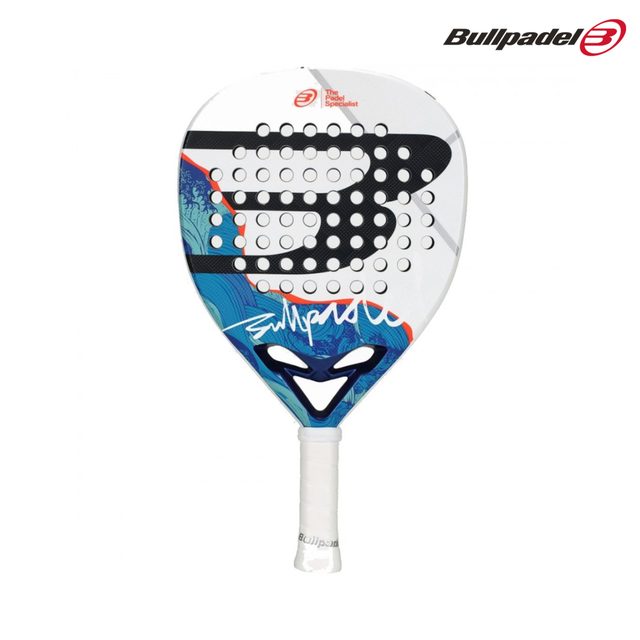
A round, even-balanced control racket that forgives the mishit and keeps the arm quiet, built for the improving player who wins on placement rather than raw pace.
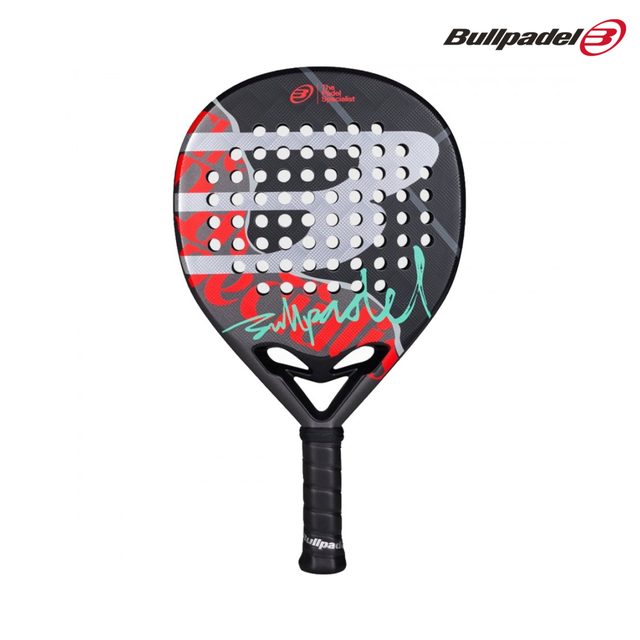
The verdict
The Bullpadel Ionic Control 2026 is a placement racket wearing a big-brand badge, and that is the whole appeal. A round head with the balance sitting low means the sweet spot lands where an intermediate makes contact, and a core Bullpadel builds in two firmnesses keeps the shock out of your elbow deep into a long third set. This is the frame for the player who has left the beginner rackets behind but still wants the ball to go where they aim, not wherever the frame flings it.
What it is not is a weapon. At 370g it plants itself, and the low balance keeps the head from loading up behind an overhead, so anyone hunting winners off every smash will meet the ceiling early. The overhead pace is only ever what your own swing puts into it. If you want the frame to manufacture that speed for you, this is the wrong buy, and better to know that now than after the box arrives.
The build
The core
Bullpadel builds the Ionic Control on MultiEVA, a dual-density core that stacks a firmer outer layer over a softer inner one. On a slow, deliberate ball the soft inner layer takes over and gives under contact, which is where the placement comes from. The firmer outer layer only wakes up when you swing hard at a quick ball. In practice the sandwich softens the moment of contact and stops the buzz a single hard foam would drive up your arm. Pace is not the point here. You build the ball's speed through timing and a full swing, and the reward is a shot you can place to the inch.
The face
The hitting layer is Glaphite, Bullpadel's blend of fiberglass and carbon, finished with a rough grain. That grit holds the ball on the face for the split second it sits there, so a brushed shot leaves with rotation on it and a chopped defensive ball sits down in the corner. The fiberglass in the mix keeps the contact softer than a full-carbon face would, which suits a control frame that is asking you to shape a point rather than blast through it. It is not a spin monster, but there is enough tooth in the surface to bend a shot when you brush up the back of the ball.
Shape and balance
A round mold with the mass carried low is the most forgiving layout in padel, and the Ionic Control commits to it fully. The sweet spot sits wide and central, right under where an improving player tends to strike, so an off-center hit loses less and drifts less. The Glaphite frame runs the same carbon-and-fiberglass build around the whole head, and that continuous hoop keeps the round shape from twisting in your hand when you catch one late. The trade for all that stability is the swing weight: at 370g the racket asks for a real swing to get moving, and the low balance means the head never loads up on its own behind a smash.
How it plays
From the baseline, it does the steadying
This is where the Ionic Control feels most at home. Sit behind a lob and the ball floats back deep off a compact swing, and when you are stretched wide and out of shape the reset still lands past the service line instead of sitting up short. Digging out of a fast body shot, the wide sweet spot keeps a rushed block honest instead of spraying it long. You are not overpowering anyone from the back, you are surviving the rally and turning it, and the frame is patient enough to let you.
At the net, quick but not urgent
The head is round and stable, so a volley meets the ball with a solid, planted contact and drops it where you point rather than jumping off the strings. Where you notice the weight is on a fast exchange at the chest: 370g takes a beat longer to reposition than a lighter frame, so a ball that leaps at your hip can catch you a fraction late. Set early and the put-away is clean and controlled. React late and you will wish the head moved quicker.
On the attack, placement over punch
Line up a bandeja with time and the frame shines. You can brush across the back of the ball and steer it down the side wall, landing it deep in the corner where it is hardest to answer, and the shot goes where you aimed rather than where the frame decided. The smash is a different story. With the balance low and the mass planted, the overhead carries no borrowed acceleration, so the speed on it is whatever your own arm supplies. Play this racket as a placement tool on the attack, not a hammer, and it will not let you down.
Comfort and the arm
This is the Ionic Control's quiet strength. Where a stiff frame fires a jolt back through the wrist and elbow on every contact, here the shock arrives muffled, so a two-hour session leaves the arm feeling worked rather than rattled. If a hard racket has left your elbow sore before, your elbow stays quiet through the third set on this one. The honest flip side is the mass: 370g swung for a full match can tire the shoulder of a smaller or slighter player, and that fatigue is the weight itself, not something you can adjust away.
Who it's for (and who should skip it)
Buy it if
- You have moved past a beginner frame and win points on placement and consistency, not raw pace.
- Your arm is sensitive to stiff rackets and you want a forgiving, cushioned contact through a long match.
- You want a big-brand intermediate racket that flatters an off-center hit while your technique keeps sharpening.
Look elsewhere if
- You want a frame that finds the overhead speed for you rather than one that asks your swing to supply it.
- You are a smaller or lighter player who will tire under a planted 370g over a full match.
- You are a total beginner who would be better served by a lighter, cheaper round frame first.
Not sure it's your match? The free 2-minute quiz reads your level, style, and budget and tells you which racket is.
The bottom line
If you value a ball that lands where you meant it over one that leaves a mark, the Ionic Control is a safe, big-brand way to buy that, so long as you have the arm to swing 370g all match. Not certain it is your match? The free two-minute quiz reads your level, style, and budget and points you at the racket that is.
Where to buy
Prices shown in Euro, converted and approximate. You check out in the store's own currency.
Frequently asked
A confident beginner can grow into it, but the Ionic Control is built for the intermediate. Its round head is forgiving enough for a learner, yet at 370g it asks for a developed swing to move it well, so a true first-timer may find it heavy across a match. If you have a season or two behind you and want a control racket to grow into, it fits. If you are just starting, a lighter round frame will teach you more.
Control, and the name is accurate. Between the round head, the low even balance, and the MultiEVA core tuned for a soft contact, every choice points at placement and forgiveness rather than pace, so it rewards the player who aims shots instead of blasting them. You supply the power through timing; the frame supplies the accuracy and the wide sweet spot.
It runs a MultiEVA core, a dual-density foam that pairs a firmer outer layer with a softer inner one, behind a Glaphite face, Bullpadel's fiberglass-and-carbon blend with a rough grain. The soft inner layer cushions the hit and quiets the arm, while the rough face grips the ball for spin on brushed and chopped shots. The same Glaphite material forms the frame around the head, and that continuous hoop keeps the round shape stable on off-center strikes.
370g, which sits at the heavier end for an intermediate racket. That mass plants the frame and helps it shrug off mishits, but it also means the head is slower to reposition on fast net exchanges and can tire a smaller player's shoulder late in a match. A stronger player will read the same weight as welcome stability.
Skip it if you lean on the frame for pace or you are a lighter player who struggles with a heavy stick. What the Ionic Control gives you is placement and a quiet arm, and the overhead speed is on you to provide, so an aggressive finisher will hit its ceiling quickly. If you are unsure whether a control frame suits your game, the free two-minute quiz reads your level, style, and budget and tells you.
The app · free quiz
Not sure which one's you?
Take the free quiz in the app. We'll match a racket to your game, not the other way around.
Find my racketFree quiz. Sign in with email or Google to get your four picks.

Bullpadel Ionic Control 2026 Review
By Andres Jovem · Updated October 5, 2026
A round, even-balanced control racket that forgives the mishit and keeps the arm quiet, built for the improving player who wins on placement rather than raw pace.
The verdict
The Bullpadel Ionic Control 2026 is a placement racket wearing a big-brand badge, and that is the whole appeal. A round head with the balance sitting low means the sweet spot lands where an intermediate makes contact, and a core Bullpadel builds in two firmnesses keeps the shock out of your elbow deep into a long third set. This is the frame for the player who has left the beginner rackets behind but still wants the ball to go where they aim, not wherever the frame flings it.
What it is not is a weapon. At 370g it plants itself, and the low balance keeps the head from loading up behind an overhead, so anyone hunting winners off every smash will meet the ceiling early. The overhead pace is only ever what your own swing puts into it. If you want the frame to manufacture that speed for you, this is the wrong buy, and better to know that now than after the box arrives.
The build
The core
Bullpadel builds the Ionic Control on MultiEVA, a dual-density core that stacks a firmer outer layer over a softer inner one. On a slow, deliberate ball the soft inner layer takes over and gives under contact, which is where the placement comes from. The firmer outer layer only wakes up when you swing hard at a quick ball. In practice the sandwich softens the moment of contact and stops the buzz a single hard foam would drive up your arm. Pace is not the point here. You build the ball's speed through timing and a full swing, and the reward is a shot you can place to the inch.
The face
The hitting layer is Glaphite, Bullpadel's blend of fiberglass and carbon, finished with a rough grain. That grit holds the ball on the face for the split second it sits there, so a brushed shot leaves with rotation on it and a chopped defensive ball sits down in the corner. The fiberglass in the mix keeps the contact softer than a full-carbon face would, which suits a control frame that is asking you to shape a point rather than blast through it. It is not a spin monster, but there is enough tooth in the surface to bend a shot when you brush up the back of the ball.
Shape and balance
A round mold with the mass carried low is the most forgiving layout in padel, and the Ionic Control commits to it fully. The sweet spot sits wide and central, right under where an improving player tends to strike, so an off-center hit loses less and drifts less. The Glaphite frame runs the same carbon-and-fiberglass build around the whole head, and that continuous hoop keeps the round shape from twisting in your hand when you catch one late. The trade for all that stability is the swing weight: at 370g the racket asks for a real swing to get moving, and the low balance means the head never loads up on its own behind a smash.
How it plays
From the baseline, it does the steadying
This is where the Ionic Control feels most at home. Sit behind a lob and the ball floats back deep off a compact swing, and when you are stretched wide and out of shape the reset still lands past the service line instead of sitting up short. Digging out of a fast body shot, the wide sweet spot keeps a rushed block honest instead of spraying it long. You are not overpowering anyone from the back, you are surviving the rally and turning it, and the frame is patient enough to let you.
At the net, quick but not urgent
The head is round and stable, so a volley meets the ball with a solid, planted contact and drops it where you point rather than jumping off the strings. Where you notice the weight is on a fast exchange at the chest: 370g takes a beat longer to reposition than a lighter frame, so a ball that leaps at your hip can catch you a fraction late. Set early and the put-away is clean and controlled. React late and you will wish the head moved quicker.
On the attack, placement over punch
Line up a bandeja with time and the frame shines. You can brush across the back of the ball and steer it down the side wall, landing it deep in the corner where it is hardest to answer, and the shot goes where you aimed rather than where the frame decided. The smash is a different story. With the balance low and the mass planted, the overhead carries no borrowed acceleration, so the speed on it is whatever your own arm supplies. Play this racket as a placement tool on the attack, not a hammer, and it will not let you down.
Comfort and the arm
This is the Ionic Control's quiet strength. Where a stiff frame fires a jolt back through the wrist and elbow on every contact, here the shock arrives muffled, so a two-hour session leaves the arm feeling worked rather than rattled. If a hard racket has left your elbow sore before, your elbow stays quiet through the third set on this one. The honest flip side is the mass: 370g swung for a full match can tire the shoulder of a smaller or slighter player, and that fatigue is the weight itself, not something you can adjust away.
Who it's for (and who should skip it)
Buy it if
- You have moved past a beginner frame and win points on placement and consistency, not raw pace.
- Your arm is sensitive to stiff rackets and you want a forgiving, cushioned contact through a long match.
- You want a big-brand intermediate racket that flatters an off-center hit while your technique keeps sharpening.
Look elsewhere if
- You want a frame that finds the overhead speed for you rather than one that asks your swing to supply it.
- You are a smaller or lighter player who will tire under a planted 370g over a full match.
- You are a total beginner who would be better served by a lighter, cheaper round frame first.
Not sure it's your match? The free 2-minute quiz reads your level, style, and budget and tells you which racket is.
The bottom line
If you value a ball that lands where you meant it over one that leaves a mark, the Ionic Control is a safe, big-brand way to buy that, so long as you have the arm to swing 370g all match. Not certain it is your match? The free two-minute quiz reads your level, style, and budget and points you at the racket that is.
Where to buy
Prices shown in Euro, converted and approximate. You check out in the store's own currency.
Frequently asked
A confident beginner can grow into it, but the Ionic Control is built for the intermediate. Its round head is forgiving enough for a learner, yet at 370g it asks for a developed swing to move it well, so a true first-timer may find it heavy across a match. If you have a season or two behind you and want a control racket to grow into, it fits. If you are just starting, a lighter round frame will teach you more.
Control, and the name is accurate. Between the round head, the low even balance, and the MultiEVA core tuned for a soft contact, every choice points at placement and forgiveness rather than pace, so it rewards the player who aims shots instead of blasting them. You supply the power through timing; the frame supplies the accuracy and the wide sweet spot.
It runs a MultiEVA core, a dual-density foam that pairs a firmer outer layer with a softer inner one, behind a Glaphite face, Bullpadel's fiberglass-and-carbon blend with a rough grain. The soft inner layer cushions the hit and quiets the arm, while the rough face grips the ball for spin on brushed and chopped shots. The same Glaphite material forms the frame around the head, and that continuous hoop keeps the round shape stable on off-center strikes.
370g, which sits at the heavier end for an intermediate racket. That mass plants the frame and helps it shrug off mishits, but it also means the head is slower to reposition on fast net exchanges and can tire a smaller player's shoulder late in a match. A stronger player will read the same weight as welcome stability.
Skip it if you lean on the frame for pace or you are a lighter player who struggles with a heavy stick. What the Ionic Control gives you is placement and a quiet arm, and the overhead speed is on you to provide, so an aggressive finisher will hit its ceiling quickly. If you are unsure whether a control frame suits your game, the free two-minute quiz reads your level, style, and budget and tells you.
The app · free quiz
Not sure which one's you?
Take the free quiz in the app. We'll match a racket to your game, not the other way around.
Find my racketFree quiz. Sign in with email or Google to get your four picks.