Dunlop FX Hybrid Team 2026 Review
By Andres Jovem · Updated October 19, 2026
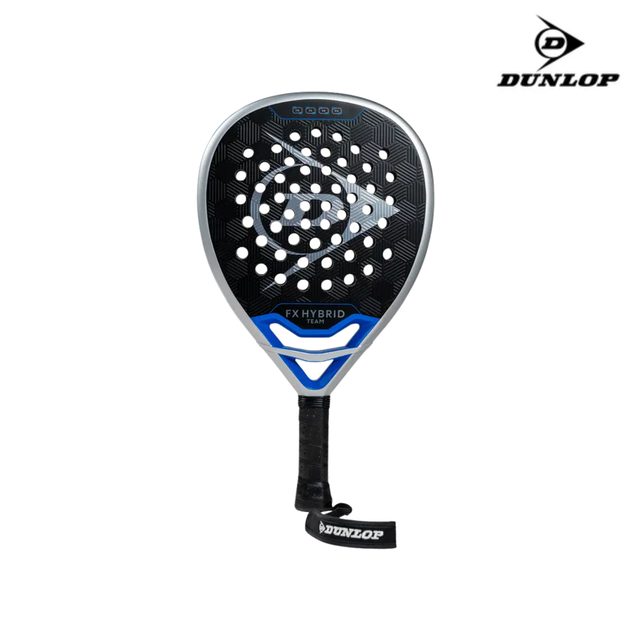
A medium-cored hybrid with a textured graphite face: the Dunlop FX Hybrid Team is the intermediate's racket for adding slice and lob depth without giving up a wide sweet spot.
The verdict
Most intermediates spend a season trying to add one shot: the sliced lob that dips into the back corner and buys the net back. The FX Hybrid Team is the racket we would buy for it. A textured graphite face over a medium Pro EVA core, in a wide-sweet-spot hybrid head, gives a brushed swing something to grip and a defensive lob enough depth to land without a big backswing. It is an intermediate's racket, and that is who it serves: the player building a complete game who is not yet finishing points on raw pace.
It is not a finisher. A flat smash carries your own speed, a lighter teardrop gets to a snap volley first, and an advanced attacker will want a stiffer frame within a season. Priced near €180 at PadelShop, it is a considered buy. If the slice is the shot you are adding this year, it earns the consideration.
The build
A medium Pro EVA core that carries a drive deep
Dunlop's Pro EVA foam fills the core at a medium density. Medium means it gives a little under the ball and returns more of your swing than a soft starter's core would. A lob reaches the back corner. A drive from the baseline carries without you winding up. It also means a hard block arrives in your hand a shade firmer than it would off the soft-cored frames in this class, which is the trade for the extra depth.
A graphite face with SpinBoost grit
The hitting face is graphite, Dunlop's main material on this frame, and it wears the brand's SpinBoost texture, which is there for spin and ball control. Brush across the ball and the texture holds it a fraction longer, and that fraction is where the rotation comes from. Dunlop also lists Power Holes for accuracy.
A hybrid head on a stabilized frame
The head is a hybrid, between round and teardrop, which keeps the sweet spot central to slightly above center. That is wide enough to forgive a volley caught off the middle and high enough to give an overhead some reach. The frame is graphite with fiberglass as the secondary material, and Dunlop's Force Bridge is built into it, which the brand says improves the stability of the racket structure. The balance is medium and the weight is 360g, the middle of the intermediate class for both.
How it plays
From the back, slice grips and stays low
Cut under a defensive lob and the ball holds the spin, dips late into the back corner, and sits low off the glass when it lands. That is the shot that drags the other pair off the net. Topspin comes just as readily when you brush up instead of under. Drives carry deep without a big swing, so you can hit from a cramped position and still make length. The shot that shows the difference most is the sliced lob off the side glass. On a smooth-faced starter it floats and sits up for a smash. On this face it holds its line and lands near the back fence. If that is the ball you keep losing points on, this is the fix.
At the net, steady more than sharp
Volleys block and redirect well. A ball caught off-center still goes where you pointed it, which is the margin an intermediate needs when the exchange gets quick. The medium weight holds the head steady against a hard drive, so a firm block does not twist in your hand. What it is not is a snap-volley frame: when the ball jumps at your body, a lighter teardrop gets there first. The way to play it up there is early and simple. Take the ball in front, block it deep or drop it short, and let the slice from the back do the finishing.
Overhead, the bandeja is the shot, not the smash
The texture lets you cut a bandeja short and reset the net, and a víbora takes enough rotation to skid off the side wall when you brush it well. The flat smash is a push, not a finish. It leaves with your pace, so a well-covered ball comes back, and a player who ends points with mass behind the overhead will want more head than this frame carries.
Comfort, with one caveat
The hybrid head and the medium balance keep the shoulder from dragging a heavy tip through every swing, and sessions end with the arm feeling normal. The caveat is the block: a hard ball taken flat on the face arrives a shade sharper in the elbow than a soft starter frame; a player with an arm history should know that. For everyone else it is an easy racket to play three nights a week. Over a long match the medium balance is what you notice. The head is not light, but it is not out at the tip either. The shoulder is never doing the lifting a diamond asks of it once the match runs long.
Who it's for (and who should skip it)
Buy it if
- You are an intermediate adding slice and topspin this season and want a face that helps the brush
- You defend on the right side and win the net back with the lob, and you want the lob to land deep
- You want a wide sweet spot that still carries a drive deep from a cramped position
Look elsewhere if
- Your points end overhead: there is no tip weight here to put behind a smash
- You live on reaction volleys: 360g at a medium balance is a beat behind a 350g teardrop when the ball is already on you
- You are advanced and want a stiff, direct contact: Dunlop pitches this at intermediates, and the FX Hybrid without the Team label is the firmer sibling
Not sure it's your match? The free 2-minute quiz reads your level, style, and budget and tells you which racket is.
The bottom line
Tennis players: this is the frame that lets you keep your slice and lose your backswing. Everyone else, read the skip list.
Where to buy
Prices shown in Euro, converted and approximate. You check out in the store's own currency.
Frequently asked
Better as a second racket than a first: Dunlop pitches the FX Hybrid Team at intermediates. It is a 360g hybrid with a medium balance and a medium Pro EVA core. It returns more of your swing than a soft starter frame and asks for a little more control from your hands. A season in, when you start adding the slice, it fits.
Control with spin on top: the FX Hybrid Team's medium core and hybrid head point it at placement, depth, and a wide margin on a mishit. The SpinBoost texture is there to help a brushed shot grip. Power is modest: a flat smash carries what you give it.
Around €180, which for the FX Hybrid Team is Dunlop's own list price for it and sits in the middle of the intermediate shelf. Only PadelShop carries it among the shops we link, which is also why the figure is steady: no second shop is undercutting it, and that figure tends to hold from one month to the next.
Firmness. The FX Hybrid without the Team label is the firmer, advanced version of the FX Hybrid Team. It is listed at 365g with a high balance and a carbon face, so it hits harder and asks for a more settled swing. The FX Hybrid Team is the intermediate version at 360g with a medium balance, a medium Pro EVA core, and a graphite face with fiberglass in the frame. Take the Team if you are still building the game; take the FX Hybrid once you are finishing points. The balance is the difference to feel in the shop: the FX Hybrid carries its weight high for the smash, the Team keeps it mid-frame for the volley.
Pro EVA under textured graphite: the FX Hybrid Team runs a medium-density core under a face finished with Dunlop's SpinBoost texture, in a graphite frame reinforced with fiberglass. The medium foam carries a drive deep without a big swing. The textured graphite grips a brushed ball for slice and topspin. The fiberglass in the frame keeps the feel from going harsh on a hard block.
A good fit, with one adjustment, since the FX Hybrid Team's textured face rewards the brushed swing a tennis player already owns. Slice and topspin travel across. The hybrid head forgives the off-center contact that comes with a tennis backswing. The adjustment is length: shorten the swing, because the medium core carries the ball deep without a full tennis stroke.
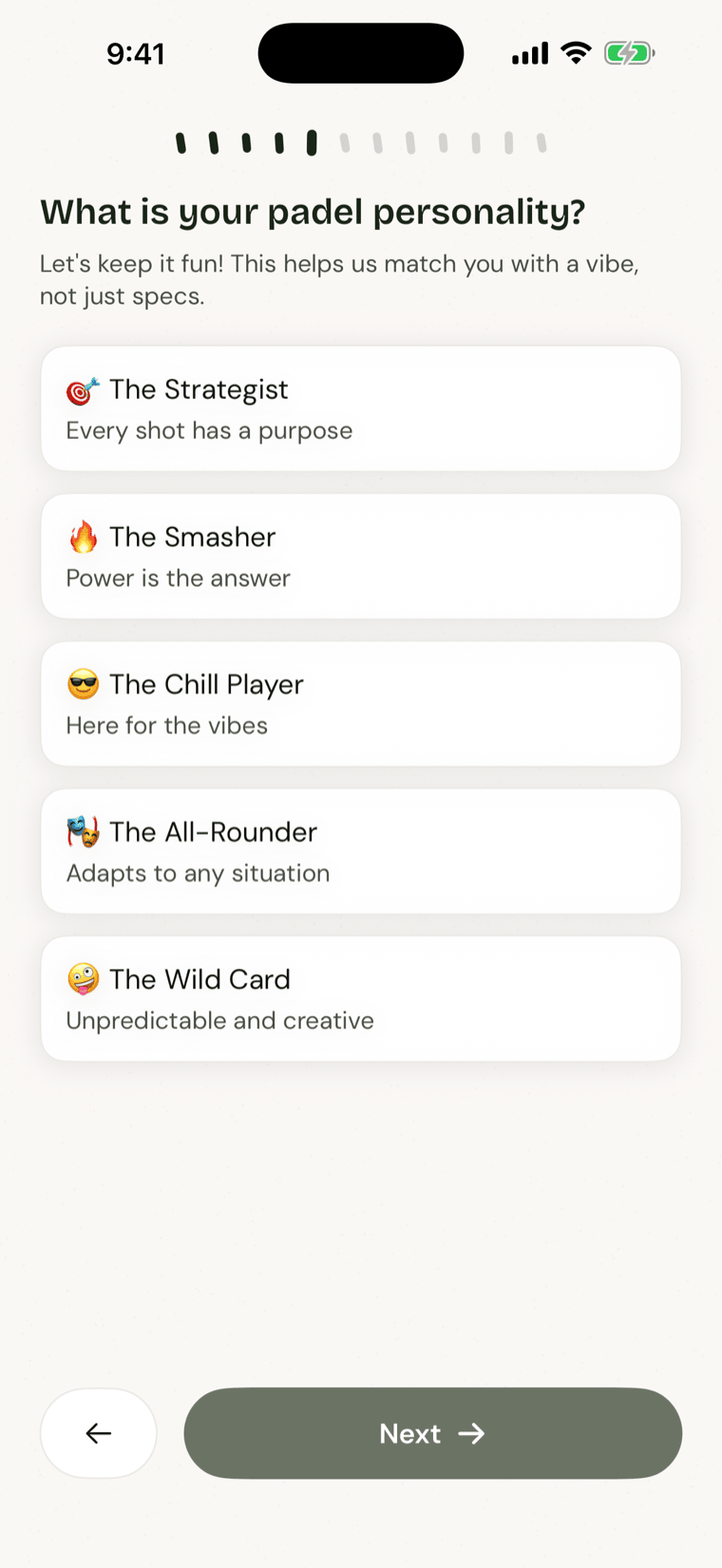
The app · free quiz
Not sure which one's you?
Take the free quiz in the app. We'll match a racket to your game, not the other way around.
Find my racketFree quiz. Sign in with email or Google to get your four picks.

Dunlop FX Hybrid Team 2026 Review
By Andres Jovem · Updated October 19, 2026
A medium-cored hybrid with a textured graphite face: the Dunlop FX Hybrid Team is the intermediate's racket for adding slice and lob depth without giving up a wide sweet spot.
The verdict
Most intermediates spend a season trying to add one shot: the sliced lob that dips into the back corner and buys the net back. The FX Hybrid Team is the racket we would buy for it. A textured graphite face over a medium Pro EVA core, in a wide-sweet-spot hybrid head, gives a brushed swing something to grip and a defensive lob enough depth to land without a big backswing. It is an intermediate's racket, and that is who it serves: the player building a complete game who is not yet finishing points on raw pace.
It is not a finisher. A flat smash carries your own speed, a lighter teardrop gets to a snap volley first, and an advanced attacker will want a stiffer frame within a season. Priced near €180 at PadelShop, it is a considered buy. If the slice is the shot you are adding this year, it earns the consideration.
The build
A medium Pro EVA core that carries a drive deep
Dunlop's Pro EVA foam fills the core at a medium density. Medium means it gives a little under the ball and returns more of your swing than a soft starter's core would. A lob reaches the back corner. A drive from the baseline carries without you winding up. It also means a hard block arrives in your hand a shade firmer than it would off the soft-cored frames in this class, which is the trade for the extra depth.
A graphite face with SpinBoost grit
The hitting face is graphite, Dunlop's main material on this frame, and it wears the brand's SpinBoost texture, which is there for spin and ball control. Brush across the ball and the texture holds it a fraction longer, and that fraction is where the rotation comes from. Dunlop also lists Power Holes for accuracy.
A hybrid head on a stabilized frame
The head is a hybrid, between round and teardrop, which keeps the sweet spot central to slightly above center. That is wide enough to forgive a volley caught off the middle and high enough to give an overhead some reach. The frame is graphite with fiberglass as the secondary material, and Dunlop's Force Bridge is built into it, which the brand says improves the stability of the racket structure. The balance is medium and the weight is 360g, the middle of the intermediate class for both.
How it plays
From the back, slice grips and stays low
Cut under a defensive lob and the ball holds the spin, dips late into the back corner, and sits low off the glass when it lands. That is the shot that drags the other pair off the net. Topspin comes just as readily when you brush up instead of under. Drives carry deep without a big swing, so you can hit from a cramped position and still make length. The shot that shows the difference most is the sliced lob off the side glass. On a smooth-faced starter it floats and sits up for a smash. On this face it holds its line and lands near the back fence. If that is the ball you keep losing points on, this is the fix.
At the net, steady more than sharp
Volleys block and redirect well. A ball caught off-center still goes where you pointed it, which is the margin an intermediate needs when the exchange gets quick. The medium weight holds the head steady against a hard drive, so a firm block does not twist in your hand. What it is not is a snap-volley frame: when the ball jumps at your body, a lighter teardrop gets there first. The way to play it up there is early and simple. Take the ball in front, block it deep or drop it short, and let the slice from the back do the finishing.
Overhead, the bandeja is the shot, not the smash
The texture lets you cut a bandeja short and reset the net, and a víbora takes enough rotation to skid off the side wall when you brush it well. The flat smash is a push, not a finish. It leaves with your pace, so a well-covered ball comes back, and a player who ends points with mass behind the overhead will want more head than this frame carries.
Comfort, with one caveat
The hybrid head and the medium balance keep the shoulder from dragging a heavy tip through every swing, and sessions end with the arm feeling normal. The caveat is the block: a hard ball taken flat on the face arrives a shade sharper in the elbow than a soft starter frame; a player with an arm history should know that. For everyone else it is an easy racket to play three nights a week. Over a long match the medium balance is what you notice. The head is not light, but it is not out at the tip either. The shoulder is never doing the lifting a diamond asks of it once the match runs long.
Who it's for (and who should skip it)
Buy it if
- You are an intermediate adding slice and topspin this season and want a face that helps the brush
- You defend on the right side and win the net back with the lob, and you want the lob to land deep
- You want a wide sweet spot that still carries a drive deep from a cramped position
Look elsewhere if
- Your points end overhead: there is no tip weight here to put behind a smash
- You live on reaction volleys: 360g at a medium balance is a beat behind a 350g teardrop when the ball is already on you
- You are advanced and want a stiff, direct contact: Dunlop pitches this at intermediates, and the FX Hybrid without the Team label is the firmer sibling
Not sure it's your match? The free 2-minute quiz reads your level, style, and budget and tells you which racket is.
The bottom line
Tennis players: this is the frame that lets you keep your slice and lose your backswing. Everyone else, read the skip list.
Where to buy
Prices shown in Euro, converted and approximate. You check out in the store's own currency.
Frequently asked
Better as a second racket than a first: Dunlop pitches the FX Hybrid Team at intermediates. It is a 360g hybrid with a medium balance and a medium Pro EVA core. It returns more of your swing than a soft starter frame and asks for a little more control from your hands. A season in, when you start adding the slice, it fits.
Control with spin on top: the FX Hybrid Team's medium core and hybrid head point it at placement, depth, and a wide margin on a mishit. The SpinBoost texture is there to help a brushed shot grip. Power is modest: a flat smash carries what you give it.
Around €180, which for the FX Hybrid Team is Dunlop's own list price for it and sits in the middle of the intermediate shelf. Only PadelShop carries it among the shops we link, which is also why the figure is steady: no second shop is undercutting it, and that figure tends to hold from one month to the next.
Firmness. The FX Hybrid without the Team label is the firmer, advanced version of the FX Hybrid Team. It is listed at 365g with a high balance and a carbon face, so it hits harder and asks for a more settled swing. The FX Hybrid Team is the intermediate version at 360g with a medium balance, a medium Pro EVA core, and a graphite face with fiberglass in the frame. Take the Team if you are still building the game; take the FX Hybrid once you are finishing points. The balance is the difference to feel in the shop: the FX Hybrid carries its weight high for the smash, the Team keeps it mid-frame for the volley.
Pro EVA under textured graphite: the FX Hybrid Team runs a medium-density core under a face finished with Dunlop's SpinBoost texture, in a graphite frame reinforced with fiberglass. The medium foam carries a drive deep without a big swing. The textured graphite grips a brushed ball for slice and topspin. The fiberglass in the frame keeps the feel from going harsh on a hard block.
A good fit, with one adjustment, since the FX Hybrid Team's textured face rewards the brushed swing a tennis player already owns. Slice and topspin travel across. The hybrid head forgives the off-center contact that comes with a tennis backswing. The adjustment is length: shorten the swing, because the medium core carries the ball deep without a full tennis stroke.
The app · free quiz
Not sure which one's you?
Take the free quiz in the app. We'll match a racket to your game, not the other way around.
Find my racketFree quiz. Sign in with email or Google to get your four picks.