Tecnifibre Curva Soft 2025 Review
By Andres Jovem · Updated October 19, 2026
A soft, evenly balanced control frame for the advanced player who steers a rally with placement and a gentle contact, not a cannon.

The verdict
The Tecnifibre Curva Soft 2025 is a control racket that puts comfort first, and it makes no apology for skipping the fireworks. A soft foam core and a medium balance point let the ball settle into the face for a fraction longer than it would on a firmer frame, so your placement stays precise and the shock that reaches your arm stays low. This is a frame for the advanced player who steers a rally rather than ends it in one swing.
It rewards a player who already knows where the ball is going and wants a racket that agrees with them. What it will not do is hand you free pace off a lazy swing. If your game is built on the big finish and you measure a session by how many balls you flattened, this is the wrong frame, and the next line tells you why plainly.
The build
A Soft Foam core built for feel
Tecnifibre builds the Curva Soft on a core it calls Soft Foam, and the name is honest about it. The core compresses noticeably at contact, cushioning the strike and letting the ball dwell on the face long enough for you to feel where it is heading. That cushion is why your arm and shoulder stay quiet through a long third set, since the softer the foam, the more of the strike energy it swallows before it can travel up to the joint. The cost is raw pace. A soft core hands back some of the ball's speed as it springs, so you supply the punch on a smash rather than borrowing it from the frame.
An 18K carbon face with a gritty finish
The hitting layer is 18K carbon, which Tecnifibre's own copy describes as a mix of carbon and fiberglass. Carbon is the stiffer material, so the face holds its shape at contact and the ball goes where you sent it instead of bending away on a hurried swing. The softness you feel comes from the foam behind it, not from the face. The finish is textured rather than smooth. It grabs the ball for the instant it sits on the surface and lets you brush up the back of it, which is how you keep a placed ball from floating long on a control frame. That grip earns its keep here, because spin is doing the work that raw power does on a stiffer stick.
A carbon teardrop tuned to sit level
The frame is carbon and the mold is a teardrop, but Tecnifibre spread the 360g so the balance settles at the middle instead of climbing toward the tip. On a control frame that decision follows the rest of the build: a racket asked to place the ball, not launch it, wants its weight where your hand can steer it. You get a shape you can turn over and redirect on short notice, one that stays under command when a rally speeds up and there is no time to wind up a full swing. Tecnifibre chose this mold for holding a point together, not for the last ball of one.
How it plays
Resets that drop where you look
This is where the Curva Soft feels most at home. Take the pace off a hard drive and the reply sits down short and low over the net, so the point stays yours to shape. On a cross-court exchange you can pick a spot a foot inside the line and land it there again and again, because the contact stays predictable under your hand. You are painting corners, not swinging for winners, and the frame is content in that job. Even when an opponent tries to rush you, the reply comes off calm enough to trust.
A net game that reacts in a blink
Quick hands live here. The level balance and the modest weight bring the head up fast when a ball spits toward your hip, so you meet it clean and early. Sit down on a hard passing shot and the block drops onto the opponent's feet, which is exactly what you want when the point turns on depth and angle over a put-away. Trade fast exchanges and the racket goes precisely where your eyes send it, so a scramble becomes a chance to thread a volley into open court.
Bandejas and viboras that bite
The textured face is what you cash in on the defensive overheads. Reach up for a bandeja and the grit lets you carve across the back of the ball, dragging it down into the corner with slice so it skids off the side glass and keeps your team at the net. A vibora asks for more wrist, and the frame holds enough control that you can flick spin onto it without the shot running away from you. This is where a control face beats a power one, because a placed slice buys you the position that raw pace cannot.
Overheads that place, not punish
Line up a smash and the ball leaves controlled and aimed, so a corner you pick is a corner you hit. The finish is only ever as hard as you swing. A well-timed one still bites, and a rushed one lands in play rather than spraying wide, which is a fair trade if you would rather win the point with an angle than a thunderbolt. Ask this frame to end every rally by force alone and you will feel it push back, wanting more swing than the reward is worth.
The arm stays quiet
Comfort is the frame's real argument. Two hours of hard hitting leave your arm and shoulder calmer here than a firm-cored frame would, because so little of the shock from contact ever reaches the joint. A stiffer racket rings up the arm on every off-center hit, and those small jolts are what add up over a season. If a sore elbow is the thing that decides when you stop playing, that comfort is worth more than a few kilometers per hour you were never going to keep on the court anyway.
Who it's for (and who should skip it)
Buy it if
- You steer rallies with placement and depth and want a frame that puts the ball exactly where you aim it.
- Your arm flares up on stiff frames and you need a soft, forgiving contact to keep playing long sessions.
- You are an advanced player who values control and comfort over the biggest possible smash.
Look elsewhere if
- You win points with raw power and want a head-heavy frame that adds pace to the overhead. This frame leaves the power to your arm.
- You are a beginner still grooving a swing. Advanced-level frames like this reward timing you have not built yet, and a rounder starter shape will teach you faster.
- You want a firm, lively face that springs the ball back off the strings. The soft core cushions instead of rebounds, so free pace is not on the menu.
Not sure it's your match? The free 2-minute quiz reads your level, style, and budget and tells you which racket is.
The bottom line
If your game is won with placement and your arm needs a frame that plays nicely, the Curva Soft belongs on your shortlist for its comfort and its aim. Let the quiz confirm it fits your level and style before you commit.
Where to buy
Prices shown in Euro, converted and approximate. You check out in the store's own currency.
Frequently asked
Not really. The Curva Soft is an advanced-level teardrop that rewards a player who already places the ball and controls their swing, so a beginner will get the comfort but not the payoff. Its soft, arm-friendly feel does help if you are stepping up your game, though a rounder, more forgiving starter frame will build your technique faster. Come back to this one once your placement is dependable.
It is firmly a control racket. It is built to place the ball, not fire it: the ball settles onto the face long enough to aim precisely rather than rebounding for free pace, and the level, medium balance keeps the head quick and steady instead of loading it up for power. You bring the pace on a smash, and the racket brings the accuracy and the comfort.
The opposite is the point of this frame. Very little of the shock a firm-cored racket sends up into the arm and shoulder ever arrives here, which is why it sits in our tennis-elbow guide. If joint comfort decides how long you can play, this is one of the gentler advanced frames we stock. No racket cures an injury, but this one asks less of a sore arm than most.
It pairs a Soft Foam core with a textured 18K carbon face over a carbon frame, and Tecnifibre describes the face as a mix of carbon and fiberglass. The foam gives the racket its cushioned, comfortable contact, while the carbon keeps the face steady for aiming and the gritty surface grips the ball for spin. The mold is a teardrop at 360g with the balance sitting in the middle.
See the live prices in the where-to-buy block above, which pulls the current in-stock cost from our approved retailers so the figure stays honest rather than a number that goes stale. Not sure the Curva Soft is your match? The free 2-minute quiz reads your level, style, and budget and points you to the right frame.

The app · free quiz
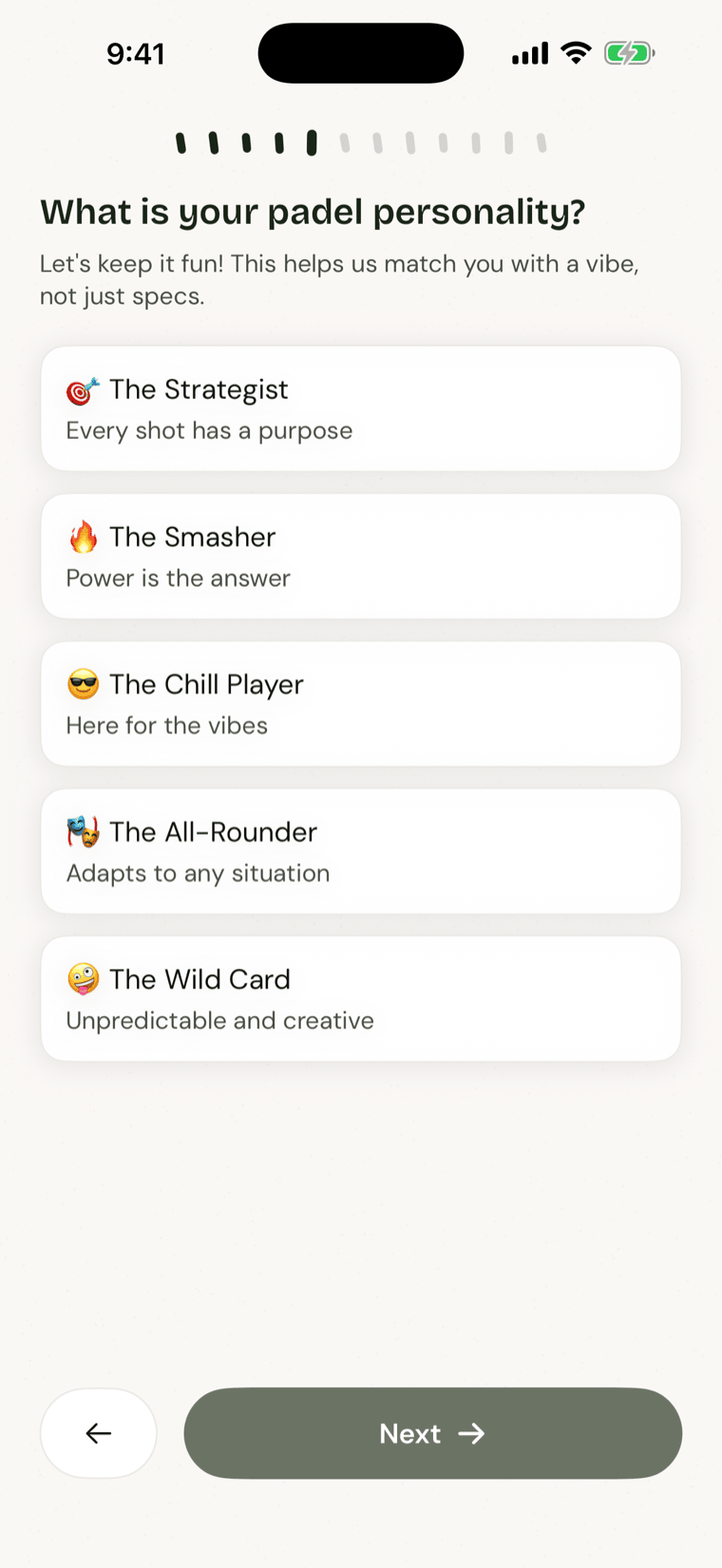
Not sure which one's you?
Take the free quiz in the app. We'll match a racket to your game, not the other way around.
Find my racketFree quiz. Sign in with email or Google to get your four picks.

Tecnifibre Curva Soft 2025 Review
By Andres Jovem · Updated October 19, 2026
A soft, evenly balanced control frame for the advanced player who steers a rally with placement and a gentle contact, not a cannon.
The verdict
The Tecnifibre Curva Soft 2025 is a control racket that puts comfort first, and it makes no apology for skipping the fireworks. A soft foam core and a medium balance point let the ball settle into the face for a fraction longer than it would on a firmer frame, so your placement stays precise and the shock that reaches your arm stays low. This is a frame for the advanced player who steers a rally rather than ends it in one swing.
It rewards a player who already knows where the ball is going and wants a racket that agrees with them. What it will not do is hand you free pace off a lazy swing. If your game is built on the big finish and you measure a session by how many balls you flattened, this is the wrong frame, and the next line tells you why plainly.
The build
A Soft Foam core built for feel
Tecnifibre builds the Curva Soft on a core it calls Soft Foam, and the name is honest about it. The core compresses noticeably at contact, cushioning the strike and letting the ball dwell on the face long enough for you to feel where it is heading. That cushion is why your arm and shoulder stay quiet through a long third set, since the softer the foam, the more of the strike energy it swallows before it can travel up to the joint. The cost is raw pace. A soft core hands back some of the ball's speed as it springs, so you supply the punch on a smash rather than borrowing it from the frame.
An 18K carbon face with a gritty finish
The hitting layer is 18K carbon, which Tecnifibre's own copy describes as a mix of carbon and fiberglass. Carbon is the stiffer material, so the face holds its shape at contact and the ball goes where you sent it instead of bending away on a hurried swing. The softness you feel comes from the foam behind it, not from the face. The finish is textured rather than smooth. It grabs the ball for the instant it sits on the surface and lets you brush up the back of it, which is how you keep a placed ball from floating long on a control frame. That grip earns its keep here, because spin is doing the work that raw power does on a stiffer stick.
A carbon teardrop tuned to sit level
The frame is carbon and the mold is a teardrop, but Tecnifibre spread the 360g so the balance settles at the middle instead of climbing toward the tip. On a control frame that decision follows the rest of the build: a racket asked to place the ball, not launch it, wants its weight where your hand can steer it. You get a shape you can turn over and redirect on short notice, one that stays under command when a rally speeds up and there is no time to wind up a full swing. Tecnifibre chose this mold for holding a point together, not for the last ball of one.
How it plays
Resets that drop where you look
This is where the Curva Soft feels most at home. Take the pace off a hard drive and the reply sits down short and low over the net, so the point stays yours to shape. On a cross-court exchange you can pick a spot a foot inside the line and land it there again and again, because the contact stays predictable under your hand. You are painting corners, not swinging for winners, and the frame is content in that job. Even when an opponent tries to rush you, the reply comes off calm enough to trust.
A net game that reacts in a blink
Quick hands live here. The level balance and the modest weight bring the head up fast when a ball spits toward your hip, so you meet it clean and early. Sit down on a hard passing shot and the block drops onto the opponent's feet, which is exactly what you want when the point turns on depth and angle over a put-away. Trade fast exchanges and the racket goes precisely where your eyes send it, so a scramble becomes a chance to thread a volley into open court.
Bandejas and viboras that bite
The textured face is what you cash in on the defensive overheads. Reach up for a bandeja and the grit lets you carve across the back of the ball, dragging it down into the corner with slice so it skids off the side glass and keeps your team at the net. A vibora asks for more wrist, and the frame holds enough control that you can flick spin onto it without the shot running away from you. This is where a control face beats a power one, because a placed slice buys you the position that raw pace cannot.
Overheads that place, not punish
Line up a smash and the ball leaves controlled and aimed, so a corner you pick is a corner you hit. The finish is only ever as hard as you swing. A well-timed one still bites, and a rushed one lands in play rather than spraying wide, which is a fair trade if you would rather win the point with an angle than a thunderbolt. Ask this frame to end every rally by force alone and you will feel it push back, wanting more swing than the reward is worth.
The arm stays quiet
Comfort is the frame's real argument. Two hours of hard hitting leave your arm and shoulder calmer here than a firm-cored frame would, because so little of the shock from contact ever reaches the joint. A stiffer racket rings up the arm on every off-center hit, and those small jolts are what add up over a season. If a sore elbow is the thing that decides when you stop playing, that comfort is worth more than a few kilometers per hour you were never going to keep on the court anyway.
Who it's for (and who should skip it)
Buy it if
- You steer rallies with placement and depth and want a frame that puts the ball exactly where you aim it.
- Your arm flares up on stiff frames and you need a soft, forgiving contact to keep playing long sessions.
- You are an advanced player who values control and comfort over the biggest possible smash.
Look elsewhere if
- You win points with raw power and want a head-heavy frame that adds pace to the overhead. This frame leaves the power to your arm.
- You are a beginner still grooving a swing. Advanced-level frames like this reward timing you have not built yet, and a rounder starter shape will teach you faster.
- You want a firm, lively face that springs the ball back off the strings. The soft core cushions instead of rebounds, so free pace is not on the menu.
Not sure it's your match? The free 2-minute quiz reads your level, style, and budget and tells you which racket is.
The bottom line
If your game is won with placement and your arm needs a frame that plays nicely, the Curva Soft belongs on your shortlist for its comfort and its aim. Let the quiz confirm it fits your level and style before you commit.
Where to buy
Prices shown in Euro, converted and approximate. You check out in the store's own currency.
Frequently asked
Not really. The Curva Soft is an advanced-level teardrop that rewards a player who already places the ball and controls their swing, so a beginner will get the comfort but not the payoff. Its soft, arm-friendly feel does help if you are stepping up your game, though a rounder, more forgiving starter frame will build your technique faster. Come back to this one once your placement is dependable.
It is firmly a control racket. It is built to place the ball, not fire it: the ball settles onto the face long enough to aim precisely rather than rebounding for free pace, and the level, medium balance keeps the head quick and steady instead of loading it up for power. You bring the pace on a smash, and the racket brings the accuracy and the comfort.
The opposite is the point of this frame. Very little of the shock a firm-cored racket sends up into the arm and shoulder ever arrives here, which is why it sits in our tennis-elbow guide. If joint comfort decides how long you can play, this is one of the gentler advanced frames we stock. No racket cures an injury, but this one asks less of a sore arm than most.
It pairs a Soft Foam core with a textured 18K carbon face over a carbon frame, and Tecnifibre describes the face as a mix of carbon and fiberglass. The foam gives the racket its cushioned, comfortable contact, while the carbon keeps the face steady for aiming and the gritty surface grips the ball for spin. The mold is a teardrop at 360g with the balance sitting in the middle.
See the live prices in the where-to-buy block above, which pulls the current in-stock cost from our approved retailers so the figure stays honest rather than a number that goes stale. Not sure the Curva Soft is your match? The free 2-minute quiz reads your level, style, and budget and points you to the right frame.
The app · free quiz
Not sure which one's you?
Take the free quiz in the app. We'll match a racket to your game, not the other way around.
Find my racketFree quiz. Sign in with email or Google to get your four picks.