Head Extreme One 2025 Review
By Andres Jovem · Updated October 19, 2026
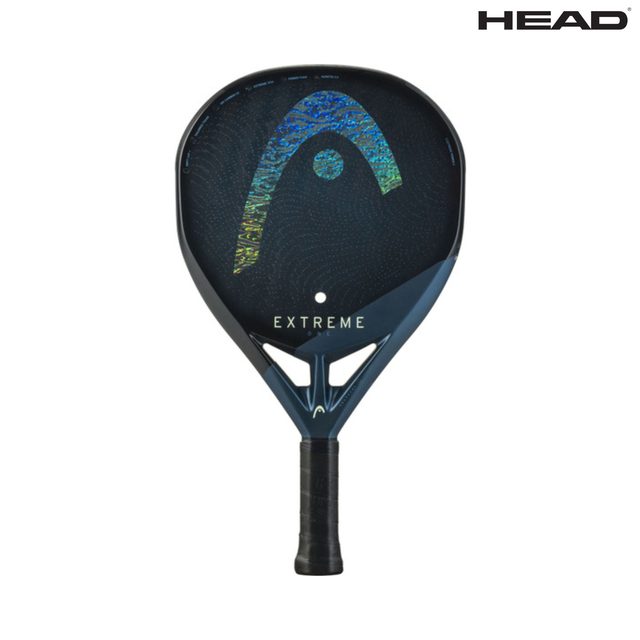
A light 12K carbon diamond with Head's reactive Power Foam inside, for the advanced attacker with quick hands who finishes with timing rather than muscle.
The verdict
The Extreme One 2025 is a light diamond, and that one fact runs the whole review. At 350g it is on the lighter side for the shape, with a medium balance by Head's own label. Together those two things describe a particular kind of racket. There is not much of it to swing, so the head gets to the ball quickly, and the mass it does carry sits far enough up to give an overhead some weight. For a player who takes the ball early and finishes with timing rather than muscle, that is a useful combination. The 12K carbon face and Head's reactive foam are chosen to make the most of it.
The cost is margin. A light diamond with its weight forward turns over quickly when you are late, so a defensive block you have not prepared tends to float. There is also less mass behind the smash than a heavier diamond carries. A hitter who likes to lean on the racket will feel short-changed. The Extreme One is a 2025 model, which is why three shops still carry it from €178.95. Advanced attackers with fast hands should read on. Everyone else should let it go.
The build
Power Foam under a 12K carbon skin
The core is Power Foam, a foam that responds immediately to a fast hit, and it sits behind a 12K carbon hitting surface. A 12K weave is a stiff skin, so the ball is gone from the face almost at once and the strike reports straight to your hand. Over the carbon runs Extreme Spin, Head's rough finish, for grip and spin on every shot. The core's density and the frame material are not on the sheet.
A mid balance that reads higher on a light frame
The balance is medium, the same figure Head gives the beginner-level Coello Vibe. On a frame as light as this one, though, a medium balance puts a larger share of the total weight toward the tip than the same figure would on a heavier racket. That is why the Extreme One feels heavier than the scale says during the swing. Between points it feels lighter than it looks. The trade is stability when you are late: a light frame with its mass forward twists more on a mishit than a heavier, more evenly balanced one.
HEAD ONE, Auxetic 2.0, and the rest of the sheet
The HEAD ONE construction is Head's route to better ball feel, a larger sweet spot, and durability. Auxetic 2.0 sits in the bridge and in the carbon bar through the handle. It works on feel and feedback by spreading vibration from the face to the hand, so less of it arrives as a single jolt. The Soft Cap+ butt cap takes an interchangeable cord. Smart Bridge, Tailored Frame, and Anti Shock Skin are on the frame too, with no explanation attached, so none is offered here.
How it plays
At the net, quick hands get quicker
Because there is so little racket to move, the head reaches a reaction volley at the hip before most diamonds would. Because the weight it does carry is forward, the ball still leaves with pace instead of a push. A high volley taken early in front of you goes through the gap flat and finished. Players who close the net and take the ball before it drops will feel the racket working with them. The same lightness pays on the walk in from the back glass. The approach off a half-court ball needs only a short swing to land deep. You reach the net a step earlier, and the next volley is yours to take high.
Overhead, timing over muscle
The smash is heavy for a racket this light. The forward weight puts mass where the overhead wants it, and a clean strike comes down steep and quick off the glass. A heavier diamond still hits harder when you lean into it, and a big hitter who likes the ball to feel like a shot put will notice the difference. The bandeja suits the frame best: the head carries itself through a sliced overhead, so you can cut the ball short of the glass without a big swing. On a lob that lands near the service line, the light head makes the choice easy: step in and take it flat before it climbs. A heavier diamond would tempt you to wait for the full bounce and swing big; this one does its best work early.
The víbora, timing over weight
A stiff skin with a rough finish is a víbora face. Brush across the ball's outer edge and the texture bites, the ball leaves fast and low, and it bends off the side glass before the returner has set up. The shot asks for timing rather than racket weight, which is the whole argument for this frame in one stroke. A left-sider who already has the víbora will find the light head makes it easier to repeat late in a match. Pair it with the bandeja and you have two overheads that hold the net without asking the shoulder for a full swing.
From the back, prepare or pay
Defense is where the frame asks for an advanced player. The tip keeps traveling, so a block prepared late turns the head and the ball floats, and a lob taken off a dead arm sits short. The fix is preparation: racket back before the ball reaches the glass, every time, because the light frame has no mass to bail you out. A player coming to this frame from a round control racket should expect two or three sessions of floated blocks before the earlier preparation becomes a habit.
Wrist and shoulder, two different bills
Firm is the word for the strike: a reactive foam under a carbon skin reports a late hit straight to the wrist. The dampening Head builds into the bridge and the handle is there to soften what reaches the hand, so a late hit stings less than the stiffness suggests. The light frame means the shoulder carries less across a long match than a heavier diamond asks. The wrist feels a firm racket; the shoulder carries less than it would behind most diamonds.
Who it's for (and who should skip it)
Buy it if
- You attack from the net with quick hands and want a diamond that gets there first
- You finish with timing rather than muscle and want a light frame that still lands heavy
- A heavy diamond tires your shoulder by the third set
Look elsewhere if
- You're still building an overhead: a light frame with its weight forward punishes a late swing
- You lean on racket mass for your smash: the Extreme One X 2025 gives you more of that
- You defend for a living and improvise your blocks at the last second
Not sure it's your match? The free 2-minute quiz reads your level, style, and budget and tells you which racket is.
The bottom line
Fast hands and a grooved overhead make this one a bargain at a 2025 price; a late swing makes it a lesson, so know which you bring.
Where to buy
Prices shown in Euro, converted and approximate. You check out in the store's own currency.
Frequently asked
The Head Extreme One 2025 is an attacking diamond for advanced players, so a beginner will find the head slow to prepare in defense and the strike firm on a mishit. Learn on a round frame balanced toward the handle; come back when your overhead is grooved.
Power, with speed as the twist. The Extreme One puts a diamond head and a forward balance on a light frame. It is an attacker's racket for a player who finishes with hands and timing rather than weight. Control players want a rounder, more evenly balanced frame.
From €178.95 at PadelShop. Three shops carry the Extreme One 2025, with Tradeinn at €186.99 and PadelPROShop between them. It's a year-old model, which is why the price has settled where it has.
Twenty grams, and a balance point two millimeters apart. The Extreme One is 350g and the Extreme One X is 370g, both with a medium balance, and the diamond shape, 12K carbon face, and Power Foam core are shared. The One is the faster swing for quick hands; the One X is the heavier hit for a player who leans into the smash.
The Extreme One uses Head's Power Foam core under a 12K carbon hitting surface with the Extreme Spin rough finish. Power Foam is a foam that reacts quickly to a fast strike. The 12K carbon is a stiff skin that gets the ball off the face quickly. The rough finish grips a brushed ball for spin.
Easy on the shoulder and firm on the wrist is the fair summary of the Extreme One. It's one of the lighter diamonds you can buy, so a long match costs the shoulder less. The 12K carbon face and Power Foam give a firm strike, and a late hit reports straight to the wrist. Head's Auxetic 2.0 is there to spread that vibration before it reaches your hand; it doesn't make the racket soft.
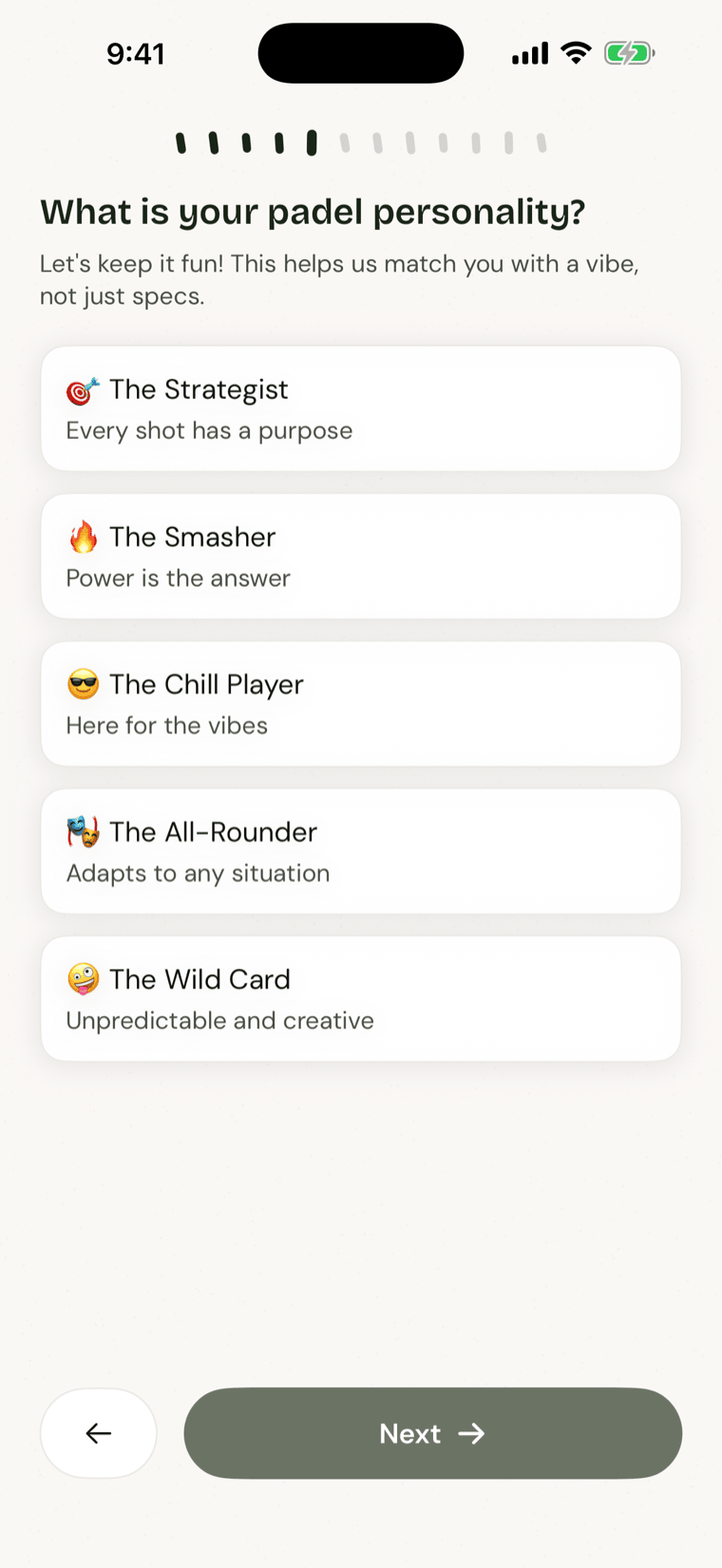
The app · free quiz
Not sure which one's you?
Take the free quiz in the app. We'll match a racket to your game, not the other way around.
Find my racketFree quiz. Sign in with email or Google to get your four picks.

Head Extreme One 2025 Review
By Andres Jovem · Updated October 19, 2026
A light 12K carbon diamond with Head's reactive Power Foam inside, for the advanced attacker with quick hands who finishes with timing rather than muscle.
The verdict
The Extreme One 2025 is a light diamond, and that one fact runs the whole review. At 350g it is on the lighter side for the shape, with a medium balance by Head's own label. Together those two things describe a particular kind of racket. There is not much of it to swing, so the head gets to the ball quickly, and the mass it does carry sits far enough up to give an overhead some weight. For a player who takes the ball early and finishes with timing rather than muscle, that is a useful combination. The 12K carbon face and Head's reactive foam are chosen to make the most of it.
The cost is margin. A light diamond with its weight forward turns over quickly when you are late, so a defensive block you have not prepared tends to float. There is also less mass behind the smash than a heavier diamond carries. A hitter who likes to lean on the racket will feel short-changed. The Extreme One is a 2025 model, which is why three shops still carry it from €178.95. Advanced attackers with fast hands should read on. Everyone else should let it go.
The build
Power Foam under a 12K carbon skin
The core is Power Foam, a foam that responds immediately to a fast hit, and it sits behind a 12K carbon hitting surface. A 12K weave is a stiff skin, so the ball is gone from the face almost at once and the strike reports straight to your hand. Over the carbon runs Extreme Spin, Head's rough finish, for grip and spin on every shot. The core's density and the frame material are not on the sheet.
A mid balance that reads higher on a light frame
The balance is medium, the same figure Head gives the beginner-level Coello Vibe. On a frame as light as this one, though, a medium balance puts a larger share of the total weight toward the tip than the same figure would on a heavier racket. That is why the Extreme One feels heavier than the scale says during the swing. Between points it feels lighter than it looks. The trade is stability when you are late: a light frame with its mass forward twists more on a mishit than a heavier, more evenly balanced one.
HEAD ONE, Auxetic 2.0, and the rest of the sheet
The HEAD ONE construction is Head's route to better ball feel, a larger sweet spot, and durability. Auxetic 2.0 sits in the bridge and in the carbon bar through the handle. It works on feel and feedback by spreading vibration from the face to the hand, so less of it arrives as a single jolt. The Soft Cap+ butt cap takes an interchangeable cord. Smart Bridge, Tailored Frame, and Anti Shock Skin are on the frame too, with no explanation attached, so none is offered here.
How it plays
At the net, quick hands get quicker
Because there is so little racket to move, the head reaches a reaction volley at the hip before most diamonds would. Because the weight it does carry is forward, the ball still leaves with pace instead of a push. A high volley taken early in front of you goes through the gap flat and finished. Players who close the net and take the ball before it drops will feel the racket working with them. The same lightness pays on the walk in from the back glass. The approach off a half-court ball needs only a short swing to land deep. You reach the net a step earlier, and the next volley is yours to take high.
Overhead, timing over muscle
The smash is heavy for a racket this light. The forward weight puts mass where the overhead wants it, and a clean strike comes down steep and quick off the glass. A heavier diamond still hits harder when you lean into it, and a big hitter who likes the ball to feel like a shot put will notice the difference. The bandeja suits the frame best: the head carries itself through a sliced overhead, so you can cut the ball short of the glass without a big swing. On a lob that lands near the service line, the light head makes the choice easy: step in and take it flat before it climbs. A heavier diamond would tempt you to wait for the full bounce and swing big; this one does its best work early.
The víbora, timing over weight
A stiff skin with a rough finish is a víbora face. Brush across the ball's outer edge and the texture bites, the ball leaves fast and low, and it bends off the side glass before the returner has set up. The shot asks for timing rather than racket weight, which is the whole argument for this frame in one stroke. A left-sider who already has the víbora will find the light head makes it easier to repeat late in a match. Pair it with the bandeja and you have two overheads that hold the net without asking the shoulder for a full swing.
From the back, prepare or pay
Defense is where the frame asks for an advanced player. The tip keeps traveling, so a block prepared late turns the head and the ball floats, and a lob taken off a dead arm sits short. The fix is preparation: racket back before the ball reaches the glass, every time, because the light frame has no mass to bail you out. A player coming to this frame from a round control racket should expect two or three sessions of floated blocks before the earlier preparation becomes a habit.
Wrist and shoulder, two different bills
Firm is the word for the strike: a reactive foam under a carbon skin reports a late hit straight to the wrist. The dampening Head builds into the bridge and the handle is there to soften what reaches the hand, so a late hit stings less than the stiffness suggests. The light frame means the shoulder carries less across a long match than a heavier diamond asks. The wrist feels a firm racket; the shoulder carries less than it would behind most diamonds.
Who it's for (and who should skip it)
Buy it if
- You attack from the net with quick hands and want a diamond that gets there first
- You finish with timing rather than muscle and want a light frame that still lands heavy
- A heavy diamond tires your shoulder by the third set
Look elsewhere if
- You're still building an overhead: a light frame with its weight forward punishes a late swing
- You lean on racket mass for your smash: the Extreme One X 2025 gives you more of that
- You defend for a living and improvise your blocks at the last second
Not sure it's your match? The free 2-minute quiz reads your level, style, and budget and tells you which racket is.
The bottom line
Fast hands and a grooved overhead make this one a bargain at a 2025 price; a late swing makes it a lesson, so know which you bring.
Where to buy
Prices shown in Euro, converted and approximate. You check out in the store's own currency.
Frequently asked
The Head Extreme One 2025 is an attacking diamond for advanced players, so a beginner will find the head slow to prepare in defense and the strike firm on a mishit. Learn on a round frame balanced toward the handle; come back when your overhead is grooved.
Power, with speed as the twist. The Extreme One puts a diamond head and a forward balance on a light frame. It is an attacker's racket for a player who finishes with hands and timing rather than weight. Control players want a rounder, more evenly balanced frame.
From €178.95 at PadelShop. Three shops carry the Extreme One 2025, with Tradeinn at €186.99 and PadelPROShop between them. It's a year-old model, which is why the price has settled where it has.
Twenty grams, and a balance point two millimeters apart. The Extreme One is 350g and the Extreme One X is 370g, both with a medium balance, and the diamond shape, 12K carbon face, and Power Foam core are shared. The One is the faster swing for quick hands; the One X is the heavier hit for a player who leans into the smash.
The Extreme One uses Head's Power Foam core under a 12K carbon hitting surface with the Extreme Spin rough finish. Power Foam is a foam that reacts quickly to a fast strike. The 12K carbon is a stiff skin that gets the ball off the face quickly. The rough finish grips a brushed ball for spin.
Easy on the shoulder and firm on the wrist is the fair summary of the Extreme One. It's one of the lighter diamonds you can buy, so a long match costs the shoulder less. The 12K carbon face and Power Foam give a firm strike, and a late hit reports straight to the wrist. Head's Auxetic 2.0 is there to spread that vibration before it reaches your hand; it doesn't make the racket soft.
The app · free quiz
Not sure which one's you?
Take the free quiz in the app. We'll match a racket to your game, not the other way around.
Find my racketFree quiz. Sign in with email or Google to get your four picks.