Head Extreme Motion 2026 Review
By Andres Jovem · Updated October 20, 2026
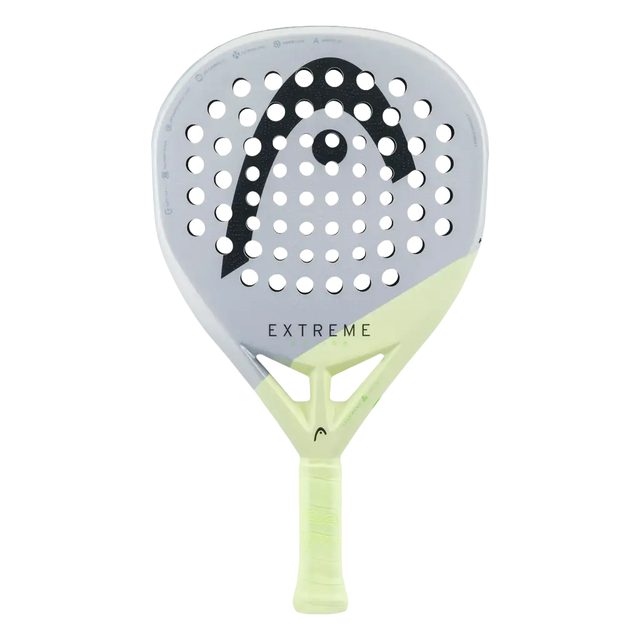
The Extreme Motion is the 360g version of Head's attacking diamond, with the Pro's high balance and a slightly softer Power Foam core, for the advanced attacker who wants the smash without dragging 370g through a fast net exchange.
The verdict
Ten grams is the whole story here, and it changes the racket more than the number suggests. The Extreme Motion keeps the Extreme Pro's diamond outline and its high balance, then takes the frame down to 360g and softens the core a notch. Paula Josemaría plays it, and you can see why from the first overhead: the ball still comes down heavy, but the racket comes back to your hand a beat sooner. That beat is the difference between finishing the point and watching the block go past you.
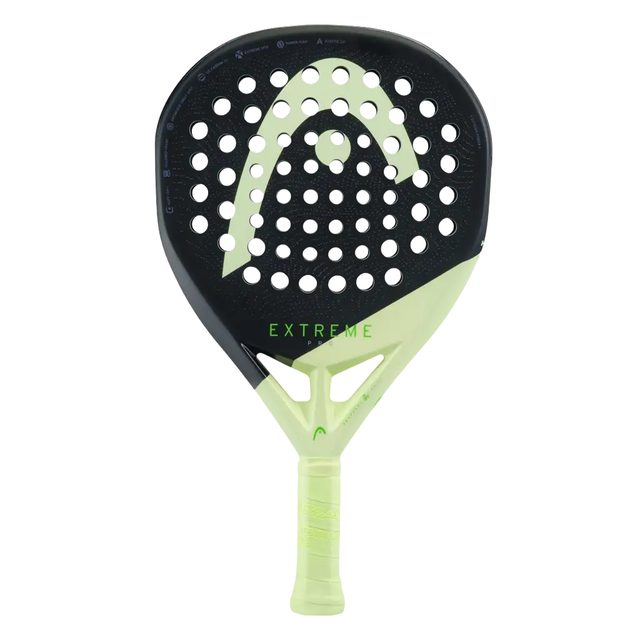
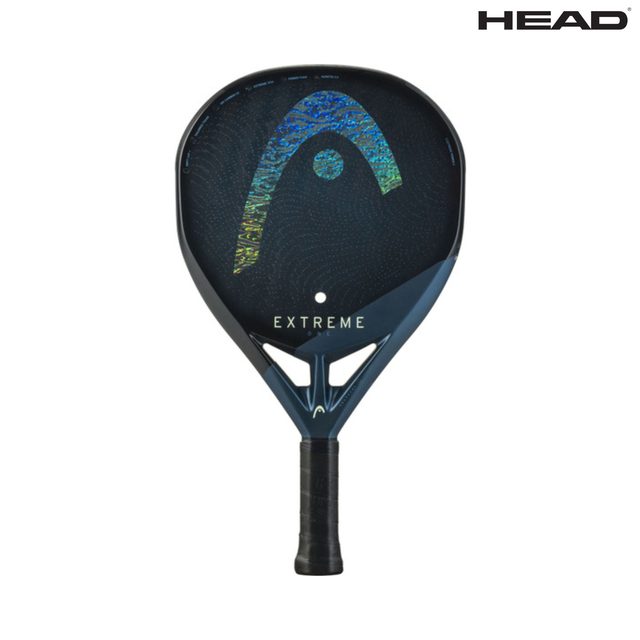
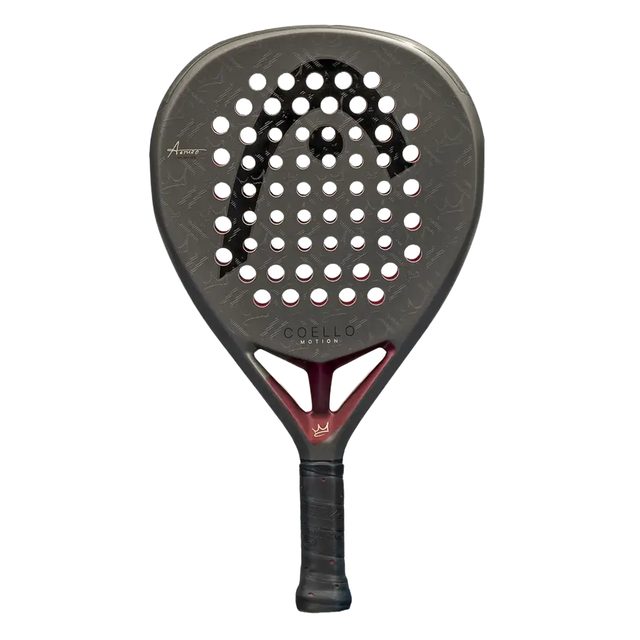
This is an advanced attacking frame with a small sweet spot up near the tip, and a mishit low on the strings goes nowhere. A player coming from a 360g teardrop will notice the sweet spot move up the face in the first ten minutes. Still building the overhead, or defending more than attacking? The Extreme One is the lighter cousin and the Coello Vibe the kinder one. If your game is already built on the smash and a 370g diamond has started to feel like work by the second set, this is the Extreme worth owning.
Head prints 364g; PadelShop weighed one at 360g, the figure in our table. At 360g it sits at the heavy end of our women's left-side guide.
The build
Power Foam, tuned a shade softer
Inside is Head's Power Foam, the same reactive core the whole Extreme range runs on, but the Motion's is set a little softer than the Pro's. A reactive core gives back most of what your swing puts in, so a flat smash leaves fast and stays flat. The softer setting means the face gives a fraction more on contact, which rounds off a strike that lands a centimeter from the middle and sends less of the jolt up your forearm. It is not a soft racket. It is firm without being harsh on the wrist.
A UD carbon face with grit
The hitting surface is unidirectional carbon with a 3D rough finish molded in. Unidirectional fibers run one way, so the face is stiff where the ball lands and the response is direct, with little of the trampoline you get from fiberglass. The rough texture holds the ball for the split second a brushed shot needs, so a víbora leaves with sidespin instead of sliding off flat. On a diamond with the mass up top, that grip is what keeps the overhead from becoming a one-trick flat smash.
A diamond at 360g with the balance high
The outline is a true diamond and the balance sits high, at the same point as the Extreme Pro. What changes is the mass behind it: 360g instead of 370g. A high balance on a lighter frame loads the head for the overhead without making the whole racket heavy to drag through a volley exchange. The sweet spot is small and sits up near the tip, which is the diamond's trade: lethal when you meet the ball up near the tip, unforgiving when you catch it low.
Graphene Inside and Auxetic 2.0
The frame carries Graphene Inside and Auxetic 2.0 in the yoke, two names Head puts on the Extreme Pro as well. The Extreme Pro carries the same pair, so they are not what separates the two rackets. The ten grams and the softer core are.
How it plays
Overhead, the point of the racket
Set your feet under a high lob and this racket does what diamonds are for. The mass up top carries the swing into the ball. A smash hit por 3 comes off the side wall low and angled; a flat one driven through the middle stays down after the bounce. The rough face gives you the second ending: brush the outer edge of the ball and the víbora dips at the net player's feet instead of sitting up for the counter. Where the Motion should beat the Pro is the fifth smash of a long rally, when the lighter frame still arrives on time and a 370g head starts arriving late.
At the net, a beat quicker than the Pro
A diamond will never be a round frame in a fast exchange, and this one does not pretend to be. The high balance means the head wants to lag when a volley arrives at hip height in a hurry. But at 360g the lag is shorter. A block taken early and out in front still goes where you aim it, and a reaction volley off the body stays in play more often than with the heavier Extreme. A volley at the net player's right hip, the one that usually floats off a diamond, comes through flat because you can get the frame there in time. Late hands pay the diamond's usual bill: the ball catches low on the face and floats.
Defending, you supply the cushion
From the back glass there is little free rebound here. A reactive core gives you back what you put in, which is wonderful on the attack and demanding on a stretched block. A lob only gets deep if you drive it. A chiquita taken on the run needs planted feet, or the ball drifts long. The shot to practice is the deep lob off a hard smash. Take the ball a fraction earlier than feels natural and finish the swing high; the firm core then sends it the full length of the court, not the three-quarter length a lazy block gets. Advanced players who already defend with their legs rather than their wrists will not mind. Players who rely on the racket to bail them out will.
Shoulder and elbow
A 360g frame with the balance this high still sends a real share of the impact back through your arm, and the core is firm enough to let it. The softer setting takes the edge off compared with the Pro, and a mishit stings rather than shocks. Your shoulder is the part to watch: a high balance loads it on every overhead, and three sets of attacking padel will tell you whether yours is ready. If it is not, the Extreme One at 350g carries the same attacking intent with less mass behind it.
Who it's for (and who should skip it)
Buy it if
- You already finish points from the overhead and want a diamond that keeps its speed for the net exchange that follows
- The Extreme Pro felt right on the smash and heavy everywhere else
- You attack from the left at an advanced level and want Josemaría's frame at the weight she plays it
Look elsewhere if
- You are still building your overhead: a round or teardrop head balanced lower is the better teacher
- Your game is built on defense: there is no free rebound here, and a control frame serves that game better
- Your shoulder complains after long matches: a high balance loads it on every smash, and the Extreme One or a soft-cored diamond is the kinder route
Not sure it's your match? The free 2-minute quiz reads your level, style, and budget and tells you which racket is.
The bottom line
If the Extreme Pro has ever felt right for the first set and wrong for the third, the Motion is the same attack at a weight your shoulder can keep up with.
Where to buy
Prices shown in Euro, converted and approximate. You check out in the store's own currency.
Frequently asked
No. The Extreme Motion is an advanced attacking diamond at 360g with a high balance, and its small sweet spot sits well up the face. A beginner meets the ball lower than that and will shank more than they finish. Start on a soft-cored round frame; this one is for later, once the overhead is your weapon.
Power, by design. The diamond shape, the high balance and the reactive Power Foam core all point at the overhead, and the Extreme Motion gives back pace rather than cushioning it. Control is your job here, not the frame's; the rough UD carbon face adds spin so the smash has more than one ending.
From €209.95 at PadelShop, with PadelPROShop a shade higher.
Ten grams and a shade of core firmness. The Extreme Pro is 370g with a firmer Power Foam; the Extreme Motion is 360g with the same diamond shape, the same high balance and a slightly softer core. The Pro hits harder on the first smash of a rally. The Motion hits nearly as hard and gets back into position sooner, which is why it suits an attacker who also has to volley. On a long rally the Motion's advantage shows on the third or fourth overhead rather than the first.
Yes. The Extreme Motion 2026 is sold as Paula Josemaría's racket, and the 360g diamond with a high balance matches an attacking left-side game. Playing the same frame will not give you her overhead, but it will give you the weight and balance she chose to build it on.
A Power Foam core, set slightly softer than the Extreme Pro's, under a unidirectional carbon face with a 3D rough texture. Graphene Inside and Auxetic 2.0 sit in the carbon frame. Weight 360g, balance high.
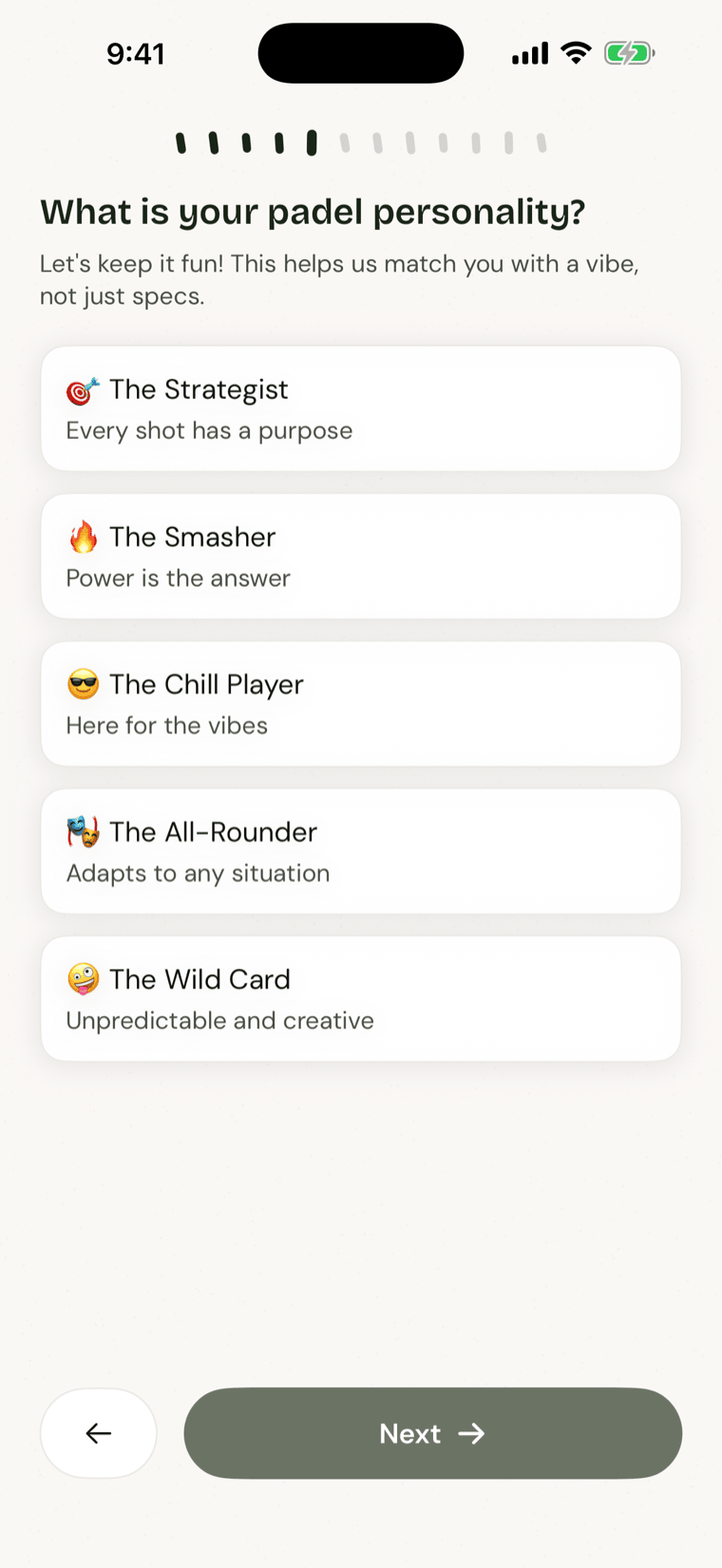
The app · free quiz
Not sure which one's you?
Take the free quiz in the app. We'll match a racket to your game, not the other way around.
Find my racketFree quiz. Sign in with email or Google to get your four picks.

Head Extreme Motion 2026 Review
By Andres Jovem · Updated October 20, 2026
The Extreme Motion is the 360g version of Head's attacking diamond, with the Pro's high balance and a slightly softer Power Foam core, for the advanced attacker who wants the smash without dragging 370g through a fast net exchange.
The verdict
Ten grams is the whole story here, and it changes the racket more than the number suggests. The Extreme Motion keeps the Extreme Pro's diamond outline and its high balance, then takes the frame down to 360g and softens the core a notch. Paula Josemaría plays it, and you can see why from the first overhead: the ball still comes down heavy, but the racket comes back to your hand a beat sooner. That beat is the difference between finishing the point and watching the block go past you.
This is an advanced attacking frame with a small sweet spot up near the tip, and a mishit low on the strings goes nowhere. A player coming from a 360g teardrop will notice the sweet spot move up the face in the first ten minutes. Still building the overhead, or defending more than attacking? The Extreme One is the lighter cousin and the Coello Vibe the kinder one. If your game is already built on the smash and a 370g diamond has started to feel like work by the second set, this is the Extreme worth owning.
Head prints 364g; PadelShop weighed one at 360g, the figure in our table. At 360g it sits at the heavy end of our women's left-side guide.
The build
Power Foam, tuned a shade softer
Inside is Head's Power Foam, the same reactive core the whole Extreme range runs on, but the Motion's is set a little softer than the Pro's. A reactive core gives back most of what your swing puts in, so a flat smash leaves fast and stays flat. The softer setting means the face gives a fraction more on contact, which rounds off a strike that lands a centimeter from the middle and sends less of the jolt up your forearm. It is not a soft racket. It is firm without being harsh on the wrist.
A UD carbon face with grit
The hitting surface is unidirectional carbon with a 3D rough finish molded in. Unidirectional fibers run one way, so the face is stiff where the ball lands and the response is direct, with little of the trampoline you get from fiberglass. The rough texture holds the ball for the split second a brushed shot needs, so a víbora leaves with sidespin instead of sliding off flat. On a diamond with the mass up top, that grip is what keeps the overhead from becoming a one-trick flat smash.
A diamond at 360g with the balance high
The outline is a true diamond and the balance sits high, at the same point as the Extreme Pro. What changes is the mass behind it: 360g instead of 370g. A high balance on a lighter frame loads the head for the overhead without making the whole racket heavy to drag through a volley exchange. The sweet spot is small and sits up near the tip, which is the diamond's trade: lethal when you meet the ball up near the tip, unforgiving when you catch it low.
Graphene Inside and Auxetic 2.0
The frame carries Graphene Inside and Auxetic 2.0 in the yoke, two names Head puts on the Extreme Pro as well. The Extreme Pro carries the same pair, so they are not what separates the two rackets. The ten grams and the softer core are.
How it plays
Overhead, the point of the racket
Set your feet under a high lob and this racket does what diamonds are for. The mass up top carries the swing into the ball. A smash hit por 3 comes off the side wall low and angled; a flat one driven through the middle stays down after the bounce. The rough face gives you the second ending: brush the outer edge of the ball and the víbora dips at the net player's feet instead of sitting up for the counter. Where the Motion should beat the Pro is the fifth smash of a long rally, when the lighter frame still arrives on time and a 370g head starts arriving late.
At the net, a beat quicker than the Pro
A diamond will never be a round frame in a fast exchange, and this one does not pretend to be. The high balance means the head wants to lag when a volley arrives at hip height in a hurry. But at 360g the lag is shorter. A block taken early and out in front still goes where you aim it, and a reaction volley off the body stays in play more often than with the heavier Extreme. A volley at the net player's right hip, the one that usually floats off a diamond, comes through flat because you can get the frame there in time. Late hands pay the diamond's usual bill: the ball catches low on the face and floats.
Defending, you supply the cushion
From the back glass there is little free rebound here. A reactive core gives you back what you put in, which is wonderful on the attack and demanding on a stretched block. A lob only gets deep if you drive it. A chiquita taken on the run needs planted feet, or the ball drifts long. The shot to practice is the deep lob off a hard smash. Take the ball a fraction earlier than feels natural and finish the swing high; the firm core then sends it the full length of the court, not the three-quarter length a lazy block gets. Advanced players who already defend with their legs rather than their wrists will not mind. Players who rely on the racket to bail them out will.
Shoulder and elbow
A 360g frame with the balance this high still sends a real share of the impact back through your arm, and the core is firm enough to let it. The softer setting takes the edge off compared with the Pro, and a mishit stings rather than shocks. Your shoulder is the part to watch: a high balance loads it on every overhead, and three sets of attacking padel will tell you whether yours is ready. If it is not, the Extreme One at 350g carries the same attacking intent with less mass behind it.
Who it's for (and who should skip it)
Buy it if
- You already finish points from the overhead and want a diamond that keeps its speed for the net exchange that follows
- The Extreme Pro felt right on the smash and heavy everywhere else
- You attack from the left at an advanced level and want Josemaría's frame at the weight she plays it
Look elsewhere if
- You are still building your overhead: a round or teardrop head balanced lower is the better teacher
- Your game is built on defense: there is no free rebound here, and a control frame serves that game better
- Your shoulder complains after long matches: a high balance loads it on every smash, and the Extreme One or a soft-cored diamond is the kinder route
Not sure it's your match? The free 2-minute quiz reads your level, style, and budget and tells you which racket is.
The bottom line
If the Extreme Pro has ever felt right for the first set and wrong for the third, the Motion is the same attack at a weight your shoulder can keep up with.
Where to buy
Prices shown in Euro, converted and approximate. You check out in the store's own currency.
Frequently asked
No. The Extreme Motion is an advanced attacking diamond at 360g with a high balance, and its small sweet spot sits well up the face. A beginner meets the ball lower than that and will shank more than they finish. Start on a soft-cored round frame; this one is for later, once the overhead is your weapon.
Power, by design. The diamond shape, the high balance and the reactive Power Foam core all point at the overhead, and the Extreme Motion gives back pace rather than cushioning it. Control is your job here, not the frame's; the rough UD carbon face adds spin so the smash has more than one ending.
From €209.95 at PadelShop, with PadelPROShop a shade higher.
Ten grams and a shade of core firmness. The Extreme Pro is 370g with a firmer Power Foam; the Extreme Motion is 360g with the same diamond shape, the same high balance and a slightly softer core. The Pro hits harder on the first smash of a rally. The Motion hits nearly as hard and gets back into position sooner, which is why it suits an attacker who also has to volley. On a long rally the Motion's advantage shows on the third or fourth overhead rather than the first.
Yes. The Extreme Motion 2026 is sold as Paula Josemaría's racket, and the 360g diamond with a high balance matches an attacking left-side game. Playing the same frame will not give you her overhead, but it will give you the weight and balance she chose to build it on.
A Power Foam core, set slightly softer than the Extreme Pro's, under a unidirectional carbon face with a 3D rough texture. Graphene Inside and Auxetic 2.0 sit in the carbon frame. Weight 360g, balance high.
The app · free quiz
Not sure which one's you?
Take the free quiz in the app. We'll match a racket to your game, not the other way around.
Find my racketFree quiz. Sign in with email or Google to get your four picks.