Adidas Metalbone CTRL 2026 Review
By Andres Jovem · Updated October 20, 2026
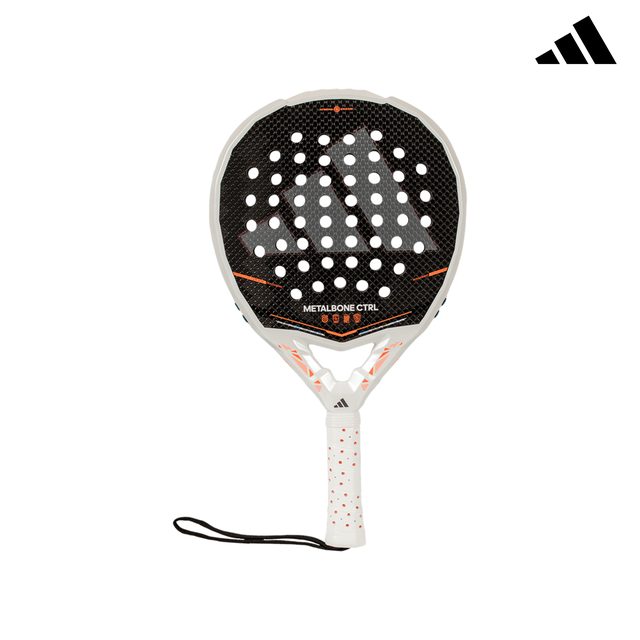
Lorena Rufo's Metalbone CTRL 2026 is a round control frame at 352g with a soft core, a 16K aluminized carbon face, and the adidas weight kit built into the frame, for the advanced right-sider who wants to tune the balance herself.
The verdict
The Metalbone CTRL ships with a bag of weights, which no other round control frame in the women's guides carries. Lorena Rufo plays it, and the pitch is simple: round outline, soft core, stiff 16K carbon face. On top of that, up to 11.2g of adjustable mass you can move around the frame until the racket swings the way your arm wants. Start it light and near the hand for quick volleys, or load the tip a little for the bandeja. Same racket, two different frames.
At 352g bare, this is a control frame for an advanced player. The round head centers the sweet spot, the soft core rounds off a mishit, and the carbon face holds the line you chose. Free power is not on offer, and the tuning system does not change that. A player who wants the racket to hit hard for her should read the Metalbone 2026, the diamond in the same family. A player who wants placement first and a frame she can set up for herself has found the right page.
Only Tradeinn has it on the shelf right now. The weight is 352g bare and up to 360g with the full kit fitted. That is the frame Rufo plays; the kit is what lets you make it yours.
The build
A soft core under a stiff skin
The core is adidas's Soft Performance EVA, the low-density foam the brand marks with a black butt cap. Soft foam gives under the ball and returns it without a snap, which does two things for a control player. A strike slightly off the middle still goes where you aimed it. And the jolt a firm core would send up your forearm mostly disappears into the foam. The trade is pace. Soft foam absorbs some of your swing speed, so a flat drive leaves with less pace than a firm frame would give it.
Carbon Aluminized 16K on the face
The hitting surface is 16K carbon with an aluminized finish, a dense 16K weave. A stiff face over a soft core is a deliberate pairing: the face keeps the response direct and the ball's line true, while the core underneath does the forgiving. It also makes the face feel solid and immediate in the hand, so you know where the ball went the instant you hit it.
The weight system, and what it changes
This is the part the kit is for. The frame carries fittings for side weights, top weights, plates, washers and screws, and the full kit adds up to 11.2g you can place where you want it. Weight at the top raises the balance and gives the overhead more mass. Weight at the sides steadies the head on an off-center block. No weight at all leaves the bare 352g frame, which turns in a flash. The balance in the spec table reads adjustable because that is the truth of the frame.
A round head, a Low Poly frame and a longer grip
Round outline, central sweet spot, right where a defender makes contact. adidas builds the frame and the heart in its faceted Low Poly design, runs a Power Groove rail around the profile, and fits its Extra Power Grip handle. Those three are adidas's names for the frame; the round outline and the soft core are what you feel.
How it plays
Set it up, then play the right side
With no extra weight fitted, the head turns fast at the net. A volley taken out in front goes back deep and flat, and a reaction block off the hip comes through because there is almost nothing at the tip to drag. Fit a couple of the kit's weights at the sides and the head stops twisting on a hard block from a big hitter, at the cost of a fraction of that speed. Try the weights at the sides first: mass at the edges adds twist resistance, while mass at the tip adds swing weight.
Defending with a soft core
From the back glass the soft foam is on your side. A block taken late still clears the net and lands deep, because the core gives the ball some of the lift your swing did not. A lob needs less push than it would from a firm frame, which is a gift when you are stretched wide. Where the soft core shines is the ball dying in the corner: the extra lift gets a stretched block back over the net when a firm frame would leave it in the mesh. The ceiling is depth. Drive a ball flat and hard past the net player and the foam eats part of the pace, so it lands a little shorter than planned.
The bandeja, with or without the top weight
A round, soft-cored frame will never smash like a diamond, and the Metalbone CTRL does not try to. Its overhead is the bandeja: a sliced ball sent deep into the back corner, played to keep the net rather than win the point. Fit the top weights and there is a little more mass behind the ball, enough to make a short lob pay. Leave them off and the bandeja stays what it is: deep, safe and dull for your opponents. Against a pair who lob you deep all set, the version with the top weights fitted is the one that gets you back to the net under your own pace.
Elbow and wrist
A soft core is what a sore arm wants, and this one has it. A mishit lands as a dull thud in the hand rather than a sting, and a long session leaves the elbow quieter than any stiff-cored control frame would. The stiff face does pass some vibration through on a clean, hard hit, but less than a 24K frame with a firm core. If a sore arm is why you play the right side, this one belongs on your shortlist. Play a full session with no weights fitted first, then add them one at a time and stop when the overhead starts to feel like work.
Who it's for (and who should skip it)
Buy it if
- You hold the right side as an advanced player and want a control frame you can tune to your own swing
- Your elbow prefers a soft core and your game prefers a stiff, direct face
- You want the racket Lorena Rufo plays, with the balance set up for yourself rather than for her
Look elsewhere if
- You want free pace on the smash: a soft, round frame does not provide it, with or without the weights
- You would rather not think about setup at all: a fixed-balance control frame like the Elite W is simpler to live with
- You hit flat and hard from the back and want the ball to leave with pace: the soft core takes some of it away
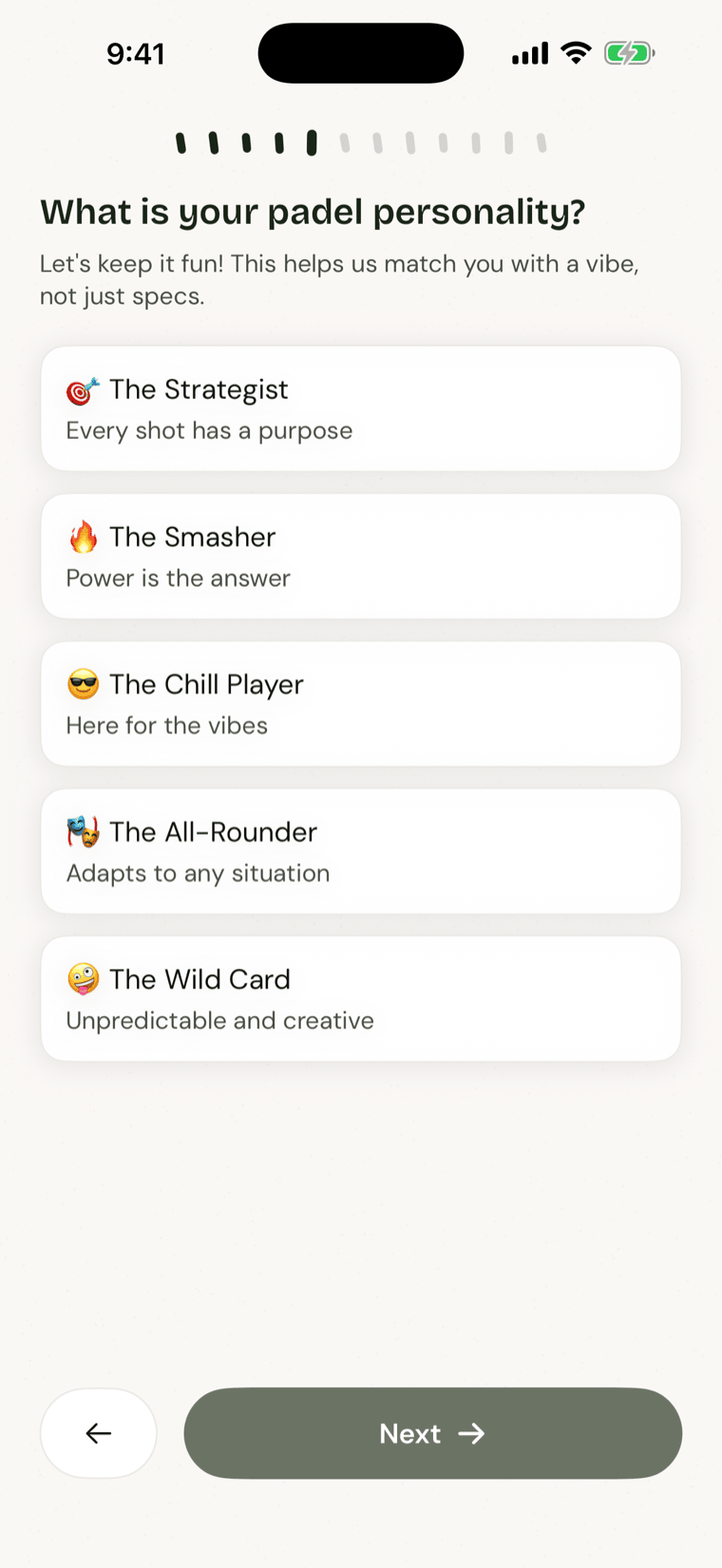
Not sure it's your match? The free 2-minute quiz reads your level, style, and budget and tells you which racket is.
The bottom line
If you have ever wished a control racket came with a slightly different balance, this is the one that lets you build it. The soft core means your elbow will not argue while you experiment.
Where to buy
Prices shown in Euro, converted and approximate. You check out in the store's own currency.
Frequently asked
No, not as a first racket. The Metalbone CTRL was built for advanced players. The round outline and soft core are beginner-friendly traits, but the stiff 16K face, the 352g weight and the tuning system suit a player with a clear idea of the balance she wants. A beginner is better served by a simpler round frame with a fixed balance.
Control. The round shape and the soft core put placement and forgiveness first, and the frame adds no pace of its own. The weight kit lets you push the balance a little toward power for the overhead, but it never turns this into a diamond. A right-sider who finishes with the bandeja rather than the smash loses nothing here. The chiquita, played with the frame light, stays low because the face closes easily in the hand.
From €266.99 at Tradeinn, the one shop with stock right now; the others list it but have sold through.
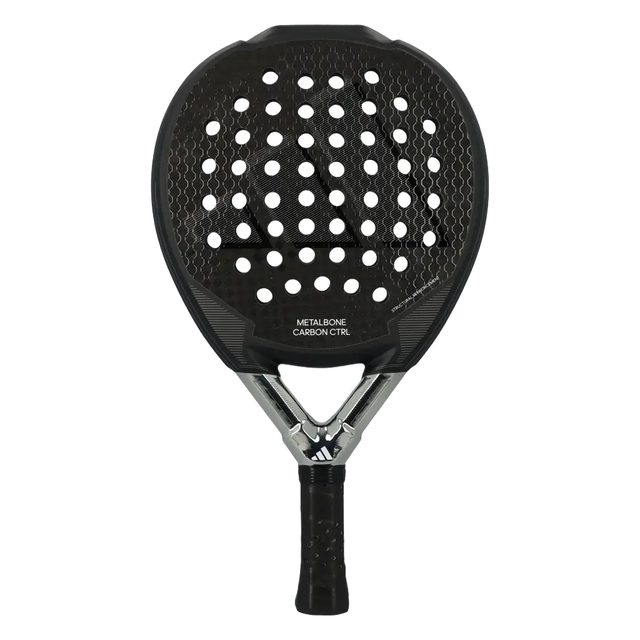
The face and the tuning. Both are round control frames with a soft EVA core, the Carbon Ctrl at 355g and the CTRL at 352g bare. The Carbon Ctrl runs a plain carbon face and is out of stock at the moment; the CTRL runs a 16K aluminized carbon face and carries the full Metalbone weight system. If you want to adjust the balance, the CTRL is the one that lets you.
Yes. The Metalbone CTRL 2026 is sold as Lorena Rufo's racket, and a round, soft-cored, stiff-faced control frame suits a right-side game built on placement.
A Soft Performance EVA core, low density and soft, under a Carbon Aluminized 16K face. The frame and heart use adidas's Low Poly design with a Power Groove rail, the handle is the Extra Power Grip, and the frame carries fittings for up to 11.2g of adjustable weight.
The app · free quiz
Not sure which one's you?
Take the free quiz in the app. We'll match a racket to your game, not the other way around.
Find my racketFree quiz. Sign in with email or Google to get your four picks.

Adidas Metalbone CTRL 2026 Review
By Andres Jovem · Updated October 20, 2026
Lorena Rufo's Metalbone CTRL 2026 is a round control frame at 352g with a soft core, a 16K aluminized carbon face, and the adidas weight kit built into the frame, for the advanced right-sider who wants to tune the balance herself.
The verdict
The Metalbone CTRL ships with a bag of weights, which no other round control frame in the women's guides carries. Lorena Rufo plays it, and the pitch is simple: round outline, soft core, stiff 16K carbon face. On top of that, up to 11.2g of adjustable mass you can move around the frame until the racket swings the way your arm wants. Start it light and near the hand for quick volleys, or load the tip a little for the bandeja. Same racket, two different frames.
At 352g bare, this is a control frame for an advanced player. The round head centers the sweet spot, the soft core rounds off a mishit, and the carbon face holds the line you chose. Free power is not on offer, and the tuning system does not change that. A player who wants the racket to hit hard for her should read the Metalbone 2026, the diamond in the same family. A player who wants placement first and a frame she can set up for herself has found the right page.
Only Tradeinn has it on the shelf right now. The weight is 352g bare and up to 360g with the full kit fitted. That is the frame Rufo plays; the kit is what lets you make it yours.
The build
A soft core under a stiff skin
The core is adidas's Soft Performance EVA, the low-density foam the brand marks with a black butt cap. Soft foam gives under the ball and returns it without a snap, which does two things for a control player. A strike slightly off the middle still goes where you aimed it. And the jolt a firm core would send up your forearm mostly disappears into the foam. The trade is pace. Soft foam absorbs some of your swing speed, so a flat drive leaves with less pace than a firm frame would give it.
Carbon Aluminized 16K on the face
The hitting surface is 16K carbon with an aluminized finish, a dense 16K weave. A stiff face over a soft core is a deliberate pairing: the face keeps the response direct and the ball's line true, while the core underneath does the forgiving. It also makes the face feel solid and immediate in the hand, so you know where the ball went the instant you hit it.
The weight system, and what it changes
This is the part the kit is for. The frame carries fittings for side weights, top weights, plates, washers and screws, and the full kit adds up to 11.2g you can place where you want it. Weight at the top raises the balance and gives the overhead more mass. Weight at the sides steadies the head on an off-center block. No weight at all leaves the bare 352g frame, which turns in a flash. The balance in the spec table reads adjustable because that is the truth of the frame.
A round head, a Low Poly frame and a longer grip
Round outline, central sweet spot, right where a defender makes contact. adidas builds the frame and the heart in its faceted Low Poly design, runs a Power Groove rail around the profile, and fits its Extra Power Grip handle. Those three are adidas's names for the frame; the round outline and the soft core are what you feel.
How it plays
Set it up, then play the right side
With no extra weight fitted, the head turns fast at the net. A volley taken out in front goes back deep and flat, and a reaction block off the hip comes through because there is almost nothing at the tip to drag. Fit a couple of the kit's weights at the sides and the head stops twisting on a hard block from a big hitter, at the cost of a fraction of that speed. Try the weights at the sides first: mass at the edges adds twist resistance, while mass at the tip adds swing weight.
Defending with a soft core
From the back glass the soft foam is on your side. A block taken late still clears the net and lands deep, because the core gives the ball some of the lift your swing did not. A lob needs less push than it would from a firm frame, which is a gift when you are stretched wide. Where the soft core shines is the ball dying in the corner: the extra lift gets a stretched block back over the net when a firm frame would leave it in the mesh. The ceiling is depth. Drive a ball flat and hard past the net player and the foam eats part of the pace, so it lands a little shorter than planned.
The bandeja, with or without the top weight
A round, soft-cored frame will never smash like a diamond, and the Metalbone CTRL does not try to. Its overhead is the bandeja: a sliced ball sent deep into the back corner, played to keep the net rather than win the point. Fit the top weights and there is a little more mass behind the ball, enough to make a short lob pay. Leave them off and the bandeja stays what it is: deep, safe and dull for your opponents. Against a pair who lob you deep all set, the version with the top weights fitted is the one that gets you back to the net under your own pace.
Elbow and wrist
A soft core is what a sore arm wants, and this one has it. A mishit lands as a dull thud in the hand rather than a sting, and a long session leaves the elbow quieter than any stiff-cored control frame would. The stiff face does pass some vibration through on a clean, hard hit, but less than a 24K frame with a firm core. If a sore arm is why you play the right side, this one belongs on your shortlist. Play a full session with no weights fitted first, then add them one at a time and stop when the overhead starts to feel like work.
Who it's for (and who should skip it)
Buy it if
- You hold the right side as an advanced player and want a control frame you can tune to your own swing
- Your elbow prefers a soft core and your game prefers a stiff, direct face
- You want the racket Lorena Rufo plays, with the balance set up for yourself rather than for her
Look elsewhere if
- You want free pace on the smash: a soft, round frame does not provide it, with or without the weights
- You would rather not think about setup at all: a fixed-balance control frame like the Elite W is simpler to live with
- You hit flat and hard from the back and want the ball to leave with pace: the soft core takes some of it away
Not sure it's your match? The free 2-minute quiz reads your level, style, and budget and tells you which racket is.
The bottom line
If you have ever wished a control racket came with a slightly different balance, this is the one that lets you build it. The soft core means your elbow will not argue while you experiment.
Where to buy
Prices shown in Euro, converted and approximate. You check out in the store's own currency.
Frequently asked
No, not as a first racket. The Metalbone CTRL was built for advanced players. The round outline and soft core are beginner-friendly traits, but the stiff 16K face, the 352g weight and the tuning system suit a player with a clear idea of the balance she wants. A beginner is better served by a simpler round frame with a fixed balance.
Control. The round shape and the soft core put placement and forgiveness first, and the frame adds no pace of its own. The weight kit lets you push the balance a little toward power for the overhead, but it never turns this into a diamond. A right-sider who finishes with the bandeja rather than the smash loses nothing here. The chiquita, played with the frame light, stays low because the face closes easily in the hand.
From €266.99 at Tradeinn, the one shop with stock right now; the others list it but have sold through.
The face and the tuning. Both are round control frames with a soft EVA core, the Carbon Ctrl at 355g and the CTRL at 352g bare. The Carbon Ctrl runs a plain carbon face and is out of stock at the moment; the CTRL runs a 16K aluminized carbon face and carries the full Metalbone weight system. If you want to adjust the balance, the CTRL is the one that lets you.
Yes. The Metalbone CTRL 2026 is sold as Lorena Rufo's racket, and a round, soft-cored, stiff-faced control frame suits a right-side game built on placement.
A Soft Performance EVA core, low density and soft, under a Carbon Aluminized 16K face. The frame and heart use adidas's Low Poly design with a Power Groove rail, the handle is the Extra Power Grip, and the frame carries fittings for up to 11.2g of adjustable weight.
The app · free quiz
Not sure which one's you?
Take the free quiz in the app. We'll match a racket to your game, not the other way around.
Find my racketFree quiz. Sign in with email or Google to get your four picks.