Oxdog Ultimate Nxt Gen 2026 Review
By Andres Jovem · Updated October 19, 2026
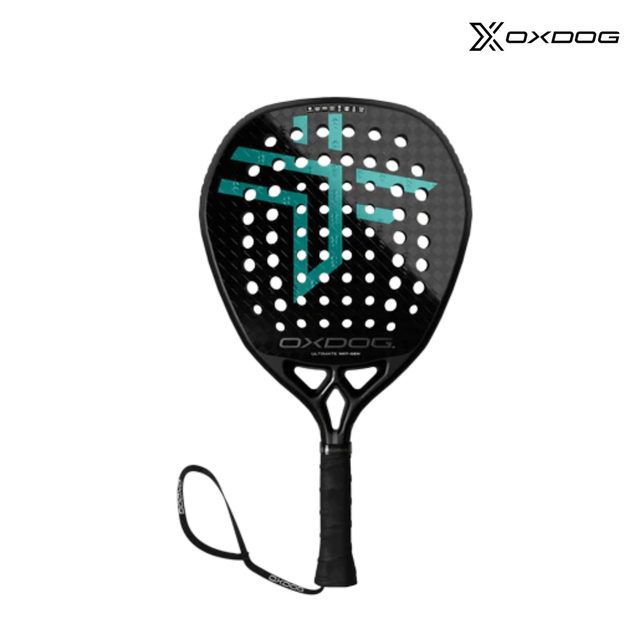
A 345g diamond with an even balance and a soft core: an attacking shape that stays quick and easy on the arm, not a hard-swinging finisher.
The verdict
The Oxdog Ultimate Nxt Gen is a diamond that has been talked into behaving. The shape puts the wide part of the hitting zone up top, so an overhead has an aggressive stroke behind it, but the balance sits even rather than back in the head, and the core is soft rather than firm. Together those two choices pull the sting out of a shape that usually bites back. At 345g it is light for the category, which is the pitch in one number: you get attacking geometry you can carry through a full match instead of a stick that wears your shoulder out by the third set.
This is a frame for the improving attacker, the player who has started living near the net and wants a racket built to end points but is not ready to be punished for a slightly late or off-center hit. It is an intermediate stick and it wears that plainly. Skip it if you are a self-pace attacker chasing the hardest possible finisher, because the soft core and even balance trade away the flat, immediate rebound and the loaded head that kind of hitter lives on. If you are working your way toward the front of the court and want a shape that pulls you forward without lighting up your elbow, this is a rare fit.
The build
A soft core that takes the edge off the shape
The heart of this racket is a soft foam, and that choice carries the whole design. Softer foam gives more at the moment of contact, so a hit lands cushioned instead of sharp and jarring. That is a rare pairing under a diamond. Most attacking frames run a firm, dense core, which is why they leave your forearm ringing after a session. Oxdog went the other way and kept the attacking shape while calming down what the frame sends back into your palm. The cost is a little of the flat, instant snap a stiff core hands you, and you notice it most when you try to flatten a smash and the ball asks for a beat of your own timing rather than leaving on its own.
A smooth face for a clean, repeatable strike
The hitting surface is smooth rather than sanded. A smooth face meets the ball flush and releases it cleanly, so contact reads the same shot after shot and a ball struck in the middle goes where you sent it. What it will not do is grab the ball for extra rotation. A coarse, gritty face drags on the ball to load spin. This one lets the ball go, so the bite on a víbora or a kick serve comes from how hard you brush up the back of it, not from the texture doing the work. For a player still settling a swing, that steadiness is a fair swap, because the face never surprises you.
A diamond shape that stays quick at 345g
The mold is a diamond, so the frame widens toward the tip and the meat of the hitting zone rides higher up the face. That upper strike zone is what turns a set overhead into a putaway, since you are catching the ball at the top of the swing with the frame at its stiffest. What sets this one apart is that the balance sits even, not stacked in the head, and the whole frame lands at 345g. So the head clears the contact point on schedule during a fast rally, and the racket does not lag a step behind your hands when the pace picks up. You give up some of the plow a heavier, head-loaded diamond drives through the ball, and a stronger, steadier hitter may want that mass back. For most players stepping up into the shape, the quickness is the better trade.
How it plays
On the attack, it wants your timing more than your muscle
Set your feet under a high one and the shape does its work. The upper strike zone catches the ball at full stretch and sends the smash downward into the court, the finish a diamond is bought for. What stands out is how controlled it feels. There is no violent crack off the strings, so the smash answers a clean, well-timed swing more than a raw lunge, and a strike that catches high near the tip still carries some sting without spraying long. Think of it as a finisher you have to steer, not one that goes off by itself.
At the net, it stays with fast hands
This is where the low weight pays out. In a fast volley battle the frame arrives quickly, so a ball fired straight at you gets met out in front and punched away rather than fended off. A reaction block feels like a flick, not a heave, and you can reset your hands for the next ball without scrambling to reload the racket. On the touch side the soft foam takes speed off a drop volley, so you can float one just over the net and leave it sitting short.
From the baseline, it steadies more than it fires
Defending deep is not this shape's strength and it does not pretend otherwise, but the retreat is kinder than most diamonds allow. On a block or a reset the ball comes off tamed and short of the fence, so you can push it back deep without watching it sail long. On the lob you are the engine, since a diamond wants to drive the ball down rather than lift it, so a defensive lob rides on your wrist and timing. It buys you time to reset the point. It will not dig you out on its own.
Comfort and the arm, the honest note
This is the racket's quiet edge. A diamond usually taxes the elbow and shoulder over a long match, and this one lands notably softer at contact instead, so the impact reads muffled and your forearm is not aching by the last games the way a stiff attacking frame leaves it. It is not a plush round frame, and anyone already babying a sore elbow should stay cautious with any diamond, but on the comfort scale for the shape it sits near the friendly end. Your arm clocks the difference.
Who it's for (and who should skip it)
Buy it if
- You are an improving player moving toward the net and want an attacking shape that finishes points without lighting up your arm.
- You want a diamond you can swing all match, light and even enough to stay quick against fast hands rather than trailing behind them.
- Your elbow or shoulder has warned you off firmer attacking frames and you want the shape with a softer, calmer contact.
Look elsewhere if
- You already generate your own pace and want the hardest, most explosive finisher, since the soft core and even balance trade away the flat rebound and loaded head a firm, head-heavy diamond gives.
- You are a true beginner, because a diamond still asks for the timing and clean strike a round, soft frame would forgive.
- You defend more than you attack and want a frame that lifts lobs and pushes resets back deep for you, which this shape will not do.
Not sure it's your match? The free 2-minute quiz reads your level, style, and budget and tells you which racket is.
The bottom line
If you are working toward the front of the court and want a racket shaped to finish points but built to spare your arm, the Ultimate Nxt Gen is a rare thing: a diamond that stays light and plays soft. If that is not quite you, or you are not sure an attacking shape is where you should start, take the free 2-minute quiz. It reads your level, style, and budget and points you at the racket that is actually yours.
Where to buy
Prices shown in Euro, converted and approximate. You check out in the store's own currency.
Frequently asked
Not really. This is an intermediate diamond, and the widened tip rewards timing and a clean strike that a total beginner will fight through. The soft core and the light 345g weight do make it kinder than most diamonds, so an ambitious learner could grow into it, though a round, soft frame will cover your mishits far better while you build a swing. Come to this one once you are living near the net.
It leans to power, softened. The diamond shape widens toward the tip for an attacking overhead, which is power geometry, so the frame is built to finish smashes and put volleys away. The soft core pulls it back from being purely explosive, calming contact and asking for your timing rather than firing on its own. Call it a controllable attacker rather than a raw one.
It pairs a soft core with a smooth face. The soft foam gives at contact, so a hit lands cushioned instead of harsh, which is what keeps this diamond friendly to the arm. The smooth surface releases the ball cleanly for a predictable, repeatable strike, so the spin you get is the spin you brush onto the ball yourself, not grip added by the texture.
For a diamond, it is on the gentle side. Most frames in this shape drive shock up into the elbow and shoulder because they run a firm core, and this one runs a soft core instead, so contact lands muffled and a long session sits easier on the forearm. It is still a diamond, not a plush round frame, so a player already managing a sore elbow should treat any diamond with care. Within its class, though, it belongs on the comfortable end.
It weighs 345g, which is light for an attacking diamond. Many finishers in this shape run heavier and load the head, so they wear you down across a match and leave you a step slow at the net. This one keeps the aggressive shape at a weight you can swing from the first point to the last, which is the main reason to pick it over a heavier rival. If you want more plow behind the ball, a steadier, heavier frame will suit you better.
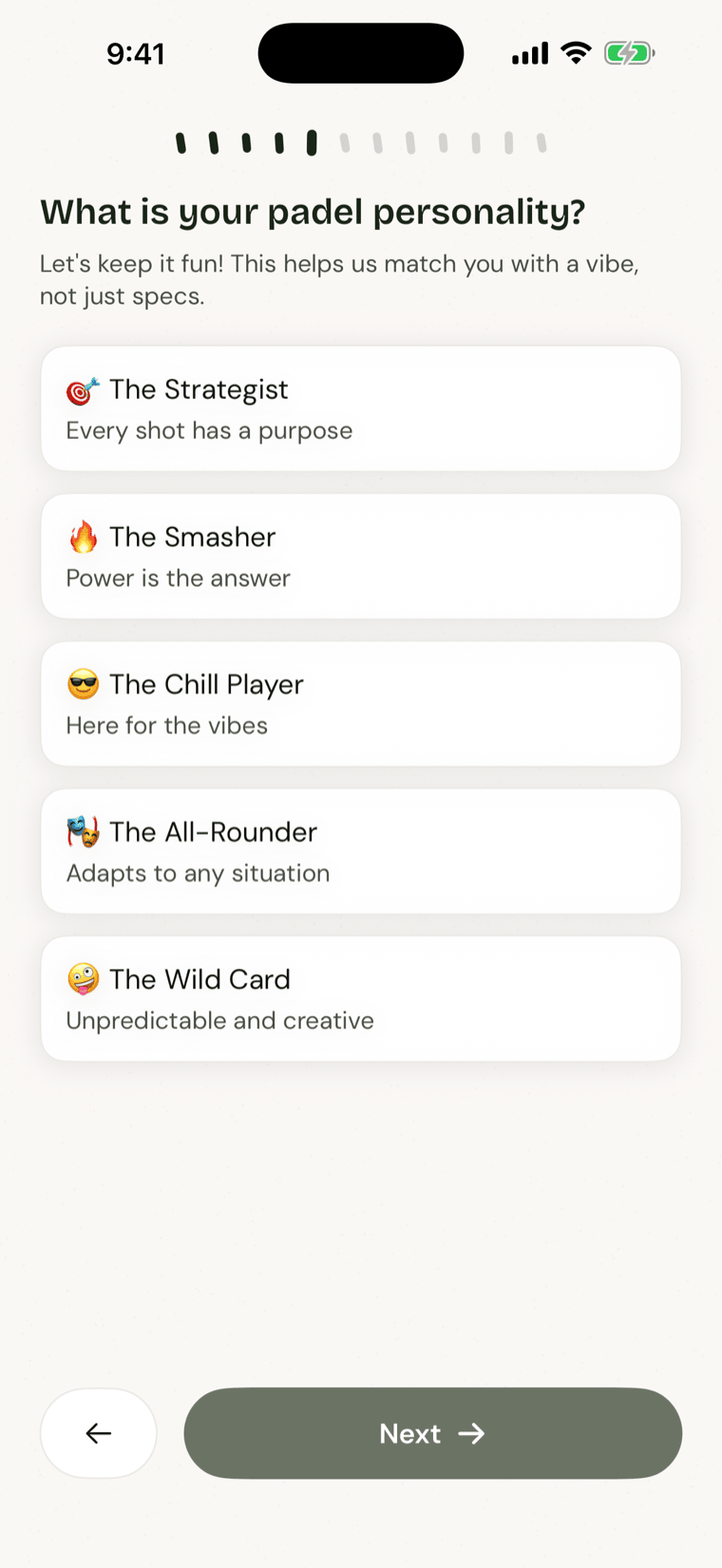
The app · free quiz
Not sure which one's you?
Take the free quiz in the app. We'll match a racket to your game, not the other way around.
Find my racketFree quiz. Sign in with email or Google to get your four picks.

Oxdog Ultimate Nxt Gen 2026 Review
By Andres Jovem · Updated October 19, 2026
A 345g diamond with an even balance and a soft core: an attacking shape that stays quick and easy on the arm, not a hard-swinging finisher.
The verdict
The Oxdog Ultimate Nxt Gen is a diamond that has been talked into behaving. The shape puts the wide part of the hitting zone up top, so an overhead has an aggressive stroke behind it, but the balance sits even rather than back in the head, and the core is soft rather than firm. Together those two choices pull the sting out of a shape that usually bites back. At 345g it is light for the category, which is the pitch in one number: you get attacking geometry you can carry through a full match instead of a stick that wears your shoulder out by the third set.
This is a frame for the improving attacker, the player who has started living near the net and wants a racket built to end points but is not ready to be punished for a slightly late or off-center hit. It is an intermediate stick and it wears that plainly. Skip it if you are a self-pace attacker chasing the hardest possible finisher, because the soft core and even balance trade away the flat, immediate rebound and the loaded head that kind of hitter lives on. If you are working your way toward the front of the court and want a shape that pulls you forward without lighting up your elbow, this is a rare fit.
The build
A soft core that takes the edge off the shape
The heart of this racket is a soft foam, and that choice carries the whole design. Softer foam gives more at the moment of contact, so a hit lands cushioned instead of sharp and jarring. That is a rare pairing under a diamond. Most attacking frames run a firm, dense core, which is why they leave your forearm ringing after a session. Oxdog went the other way and kept the attacking shape while calming down what the frame sends back into your palm. The cost is a little of the flat, instant snap a stiff core hands you, and you notice it most when you try to flatten a smash and the ball asks for a beat of your own timing rather than leaving on its own.
A smooth face for a clean, repeatable strike
The hitting surface is smooth rather than sanded. A smooth face meets the ball flush and releases it cleanly, so contact reads the same shot after shot and a ball struck in the middle goes where you sent it. What it will not do is grab the ball for extra rotation. A coarse, gritty face drags on the ball to load spin. This one lets the ball go, so the bite on a víbora or a kick serve comes from how hard you brush up the back of it, not from the texture doing the work. For a player still settling a swing, that steadiness is a fair swap, because the face never surprises you.
A diamond shape that stays quick at 345g
The mold is a diamond, so the frame widens toward the tip and the meat of the hitting zone rides higher up the face. That upper strike zone is what turns a set overhead into a putaway, since you are catching the ball at the top of the swing with the frame at its stiffest. What sets this one apart is that the balance sits even, not stacked in the head, and the whole frame lands at 345g. So the head clears the contact point on schedule during a fast rally, and the racket does not lag a step behind your hands when the pace picks up. You give up some of the plow a heavier, head-loaded diamond drives through the ball, and a stronger, steadier hitter may want that mass back. For most players stepping up into the shape, the quickness is the better trade.
How it plays
On the attack, it wants your timing more than your muscle
Set your feet under a high one and the shape does its work. The upper strike zone catches the ball at full stretch and sends the smash downward into the court, the finish a diamond is bought for. What stands out is how controlled it feels. There is no violent crack off the strings, so the smash answers a clean, well-timed swing more than a raw lunge, and a strike that catches high near the tip still carries some sting without spraying long. Think of it as a finisher you have to steer, not one that goes off by itself.
At the net, it stays with fast hands
This is where the low weight pays out. In a fast volley battle the frame arrives quickly, so a ball fired straight at you gets met out in front and punched away rather than fended off. A reaction block feels like a flick, not a heave, and you can reset your hands for the next ball without scrambling to reload the racket. On the touch side the soft foam takes speed off a drop volley, so you can float one just over the net and leave it sitting short.
From the baseline, it steadies more than it fires
Defending deep is not this shape's strength and it does not pretend otherwise, but the retreat is kinder than most diamonds allow. On a block or a reset the ball comes off tamed and short of the fence, so you can push it back deep without watching it sail long. On the lob you are the engine, since a diamond wants to drive the ball down rather than lift it, so a defensive lob rides on your wrist and timing. It buys you time to reset the point. It will not dig you out on its own.
Comfort and the arm, the honest note
This is the racket's quiet edge. A diamond usually taxes the elbow and shoulder over a long match, and this one lands notably softer at contact instead, so the impact reads muffled and your forearm is not aching by the last games the way a stiff attacking frame leaves it. It is not a plush round frame, and anyone already babying a sore elbow should stay cautious with any diamond, but on the comfort scale for the shape it sits near the friendly end. Your arm clocks the difference.
Who it's for (and who should skip it)
Buy it if
- You are an improving player moving toward the net and want an attacking shape that finishes points without lighting up your arm.
- You want a diamond you can swing all match, light and even enough to stay quick against fast hands rather than trailing behind them.
- Your elbow or shoulder has warned you off firmer attacking frames and you want the shape with a softer, calmer contact.
Look elsewhere if
- You already generate your own pace and want the hardest, most explosive finisher, since the soft core and even balance trade away the flat rebound and loaded head a firm, head-heavy diamond gives.
- You are a true beginner, because a diamond still asks for the timing and clean strike a round, soft frame would forgive.
- You defend more than you attack and want a frame that lifts lobs and pushes resets back deep for you, which this shape will not do.
Not sure it's your match? The free 2-minute quiz reads your level, style, and budget and tells you which racket is.
The bottom line
If you are working toward the front of the court and want a racket shaped to finish points but built to spare your arm, the Ultimate Nxt Gen is a rare thing: a diamond that stays light and plays soft. If that is not quite you, or you are not sure an attacking shape is where you should start, take the free 2-minute quiz. It reads your level, style, and budget and points you at the racket that is actually yours.
Where to buy
Prices shown in Euro, converted and approximate. You check out in the store's own currency.
Frequently asked
Not really. This is an intermediate diamond, and the widened tip rewards timing and a clean strike that a total beginner will fight through. The soft core and the light 345g weight do make it kinder than most diamonds, so an ambitious learner could grow into it, though a round, soft frame will cover your mishits far better while you build a swing. Come to this one once you are living near the net.
It leans to power, softened. The diamond shape widens toward the tip for an attacking overhead, which is power geometry, so the frame is built to finish smashes and put volleys away. The soft core pulls it back from being purely explosive, calming contact and asking for your timing rather than firing on its own. Call it a controllable attacker rather than a raw one.
It pairs a soft core with a smooth face. The soft foam gives at contact, so a hit lands cushioned instead of harsh, which is what keeps this diamond friendly to the arm. The smooth surface releases the ball cleanly for a predictable, repeatable strike, so the spin you get is the spin you brush onto the ball yourself, not grip added by the texture.
For a diamond, it is on the gentle side. Most frames in this shape drive shock up into the elbow and shoulder because they run a firm core, and this one runs a soft core instead, so contact lands muffled and a long session sits easier on the forearm. It is still a diamond, not a plush round frame, so a player already managing a sore elbow should treat any diamond with care. Within its class, though, it belongs on the comfortable end.
It weighs 345g, which is light for an attacking diamond. Many finishers in this shape run heavier and load the head, so they wear you down across a match and leave you a step slow at the net. This one keeps the aggressive shape at a weight you can swing from the first point to the last, which is the main reason to pick it over a heavier rival. If you want more plow behind the ball, a steadier, heavier frame will suit you better.
The app · free quiz
Not sure which one's you?
Take the free quiz in the app. We'll match a racket to your game, not the other way around.
Find my racketFree quiz. Sign in with email or Google to get your four picks.